
Table of Contents
Rethinking Africa’s Energy Future: Beyond the Fossil Fuels vs. Renewables Debate
Discussions about Africa’s energy transformation often simplify the issue into a stark choice between fossil fuels and renewable energy. While this binary framing may resonate in advocacy campaigns, it fails to capture the complex realities shaping the continent’s energy landscape.
From the oil-rich Niger Delta to remote villages powered by solar microgrids, Africa’s path forward demands a pragmatic, phased approach that balances expanding energy access, fostering industrial development, and reducing carbon emissions.
Lessons from Experience: Bridging Traditional and Emerging Energy Sectors
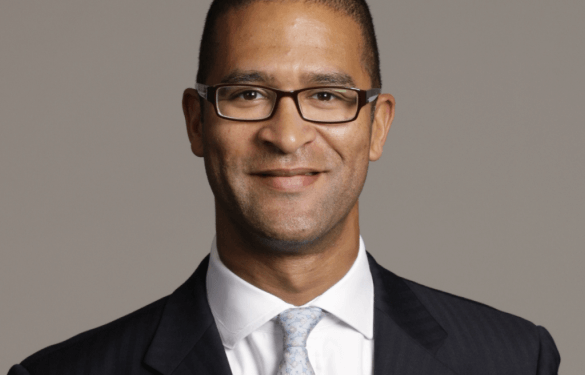
Having worked extensively in both the oil and renewable sectors, I have witnessed firsthand the necessity of integrating these energy sources rather than viewing them as mutually exclusive. Early in my career, I co-founded Afren plc, one of the pioneering African-focused energy companies listed on the London Stock Exchange, and later led First Hydrocarbon Nigeria Ltd. in acquiring upstream oil assets from Shell’s Nigerian joint venture. These milestones marked a significant shift toward indigenous ownership in Africa’s oil industry.
These experiences underscored a critical insight: Africa’s energy transition must be tailored to its unique context. Unlike developed economies with established grids and abundant capital, African nations face the dual challenge of scaling energy access while simultaneously supporting industrialization and curbing emissions.
The Vital Role of Natural Gas as a Transitional Energy Source
Calls for an immediate leap to 100% renewable energy, though well-intentioned, overlook the current limitations of grid infrastructure and energy storage across much of Africa. Natural gas emerges as an essential bridging fuel, providing the stable baseload power necessary to complement intermittent renewable sources like solar and wind.
This approach is not about postponing decarbonization but sequencing it thoughtfully. Clean energy solutions must be economically sustainable and capable of powering critical sectors such as manufacturing, healthcare, and urban development. Without reliable power, efforts to eradicate energy poverty risk faltering.
Innovative Private Sector Models Driving Integrated Energy Solutions
Private enterprises are increasingly adopting hybrid energy models that blend renewables with natural gas to optimize both sustainability and reliability. For instance, Solad Power Group began by deploying decentralized solar solutions in partnership with Nigeria’s Rural Electrification Agency across Lagos, Ogun, and Kano states. Today, the company is expanding its focus to commercial and industrial clients, where reducing emissions must align with operational dependability and cost-effectiveness.
A notable project involves collaboration with the OML 34 NNPC/ND Western Joint Venture, where solar installations are integrated to decarbonize oil operations while maintaining resilience. This strategy prioritizes tangible efficiency improvements over superficial “greenwashing.”
Such initiatives align closely with Nigeria’s Energy Transition Plan, which explicitly recognizes the complementary roles of gas and renewables during the transition period.
Policy and Financial Instruments Catalyzing Decentralized Energy Access
Policy frameworks across West Africa are beginning to reflect this hybrid reality. Programs like the World Bank’s $750 million Distributed Access through Renewable Energy Scale-Up (DARES) and the Mission 300 initiative are mobilizing funds to expand decentralized power solutions. Additionally, mechanisms such as the Universal Energy Facility and Distributed Renewable Energy funds are instrumental in mitigating risks for early-stage projects.
However, policy ambition alone is insufficient without effective implementation. The primary bottleneck remains access to capital-particularly patient, blended finance capable of managing risks including currency fluctuations. To unlock Africa’s energy potential, governments, multilateral organizations, and private investors must collaborate on bankable project structures, foster local manufacturing capabilities, and develop scalable delivery models. While capital exists, it requires strategic deployment to maximize impact.
Building Africa’s Energy Future: Integration Over Substitution
Africa’s energy transition will be defined not by what it discards but by what it constructs. The continent’s future energy system will be a mosaic of hydrocarbons, solar power, centralized grids, and decentralized networks working in harmony. This integrated approach promises a transition that is not only environmentally sustainable but also equitable and conducive to long-term economic growth.
By embracing a sequenced, pragmatic strategy, Africa can lead a global example of how to power development while safeguarding the planet.
