
Table of Contents
US and NATO Forge New Arctic Partnership, Easing Trade Tensions with Europe
In a significant diplomatic development, US President Donald Trump announced a fresh framework agreement concerning Greenland and the broader Arctic region, signaling a shift away from previously threatened tariffs on several European nations.
Strategic Collaboration on Greenland and the Arctic
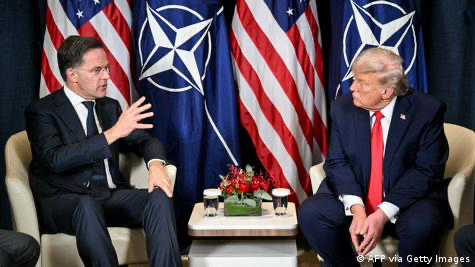
During a meeting with NATO Secretary-General Mark Rutte at the World Economic Forum in Davos, Trump revealed that the United States and NATO have laid the groundwork for a future cooperative deal focused on Greenland and the entire Arctic zone. This initiative aims to enhance security, trade relations, and geopolitical cooperation in this strategically vital area.
Clarifying US Intentions on Greenland’s Status
When questioned about his earlier expressed interest in acquiring Greenland, Trump described the situation as “somewhat complex,” refraining from asserting any claim of ownership. Secretary-General Rutte also dismissed rumors, affirming that Denmark’s sovereignty over Greenland was not a subject of discussion during their talks.
Tariff Suspension Eases Transatlantic Strain
Following the announcement, Trump confirmed the suspension of planned tariffs on eight European countries, which were initially set to take effect on February 1. This decision was met with approval from European governments, including Denmark, Italy, and the Netherlands, who viewed it as a constructive move toward strengthening transatlantic economic ties and reducing trade friction.
Emphasizing Diplomacy Over Force
Earlier in the day at Davos, Trump sought to dispel concerns about his aggressive rhetoric regarding Greenland, assuring that the United States would not resort to military action to assert control over the territory. He emphasized that while the US possesses the capability to act decisively, it prefers diplomatic engagement over the use of “excessive strength and force.”
Context and Implications
The Arctic region has gained increasing global attention due to its vast natural resources and strategic importance amid climate change. According to recent studies, Arctic shipping routes are becoming more accessible, potentially reshaping international trade patterns. This new US-NATO framework could pave the way for collaborative management of these emerging opportunities, balancing economic interests with environmental and security concerns.
