
Table of Contents
Trump’s “Board of Peace” for Gaza Reconstruction: A $1 Billion Membership Threshold
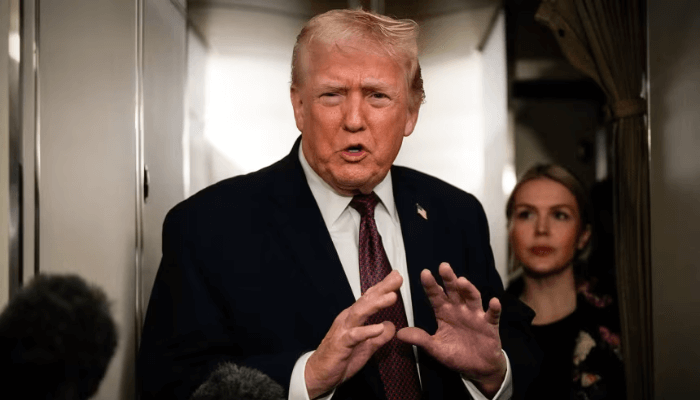
In a bold move to oversee Gaza’s post-conflict recovery, former US President Donald Trump has proposed the establishment of a “Board of Peace.” This committee, designed to manage the rebuilding efforts in Gaza, introduces a unique membership model: permanent seats on the board require a substantial financial commitment of $1 billion, as disclosed by a US government insider.
Funding Model and Governance Structure
All capital raised through this initiative is earmarked exclusively for Gaza’s reconstruction. The board’s financial framework aims to circumvent the pitfalls of bloated administrative costs and inflated salaries, issues that have plagued many international aid organizations in the past. While participation on the board does not mandate a monetary contribution, those who opt out of the $1 billion payment will be restricted to three-year terms. Conversely, contributors securing the hefty fee will enjoy permanent membership privileges.
High-Profile Figures and Global Invitations
The board is set to feature an array of influential political and economic leaders. Notable invitees include former UK Prime Minister Tony Blair, Canadian Prime Minister Mark Carney, and US Secretary of State Marco Rubio. Several other world leaders have reportedly received invitations to join what Trump has hailed as “the most prestigious and impactful board ever convened.” Bloomberg was the first to report on the financial prerequisite for permanent membership.
Strategic Role in Gaza’s Stabilization
This board forms a cornerstone of a broader US-backed, United Nations-supported strategy aimed at demilitarizing Gaza and facilitating its long-term recovery following two years of intense conflict between Israel and Hamas. Each board member is expected to oversee a critical sector essential to Gaza’s stabilization, such as infrastructure, economic development, or security reform.
Notable Absences and Political Implications
Interestingly, the Palestinian Authority (PA), which governs parts of the West Bank and is anticipated to play a significant role in Gaza’s future governance, is not represented on the board. This exclusion is significant given the PA’s rivalry with Hamas and its expected leadership role following planned political and administrative reforms in Gaza.
Additional Key Members and Supporting Bodies
Other prominent figures slated to join the board include Trump’s foreign policy envoy Steve Witkoff, Deputy National Security Adviser Robert Gabriel, Jared Kushner, billionaire investor Marc Rowan, and World Bank President Ajay Banga. Operational governance of Gaza is proposed to be handled by a Palestinian technocratic committee, supported by a “Gaza executive board” comprising representatives from Turkey, Qatar, Egypt, the United Arab Emirates, alongside select members from the Board of Peace and the technocratic committee.
Controversies and Regional Reactions
Israeli Prime Minister Benjamin Netanyahu has openly criticized the involvement of Turkey and Qatar in the initiative, stating that the board’s formation was not coordinated with Israel and contradicts its security policies. Israel has long accused both nations of supporting Hamas, fueling tensions around their participation in Gaza’s reconstruction efforts.
Looking Ahead: Challenges and Opportunities
As the international community watches closely, the success of this ambitious plan hinges on balancing financial commitments, political inclusivity, and regional cooperation. With Gaza’s infrastructure devastated and humanitarian needs escalating-UN reports estimate that over 80% of Gaza’s population requires aid-the Board of Peace’s approach could set a new precedent for post-conflict reconstruction governance.
