
Table of Contents
Raising Children Without Religion: A Nigerian Father’s Perspective from Poland
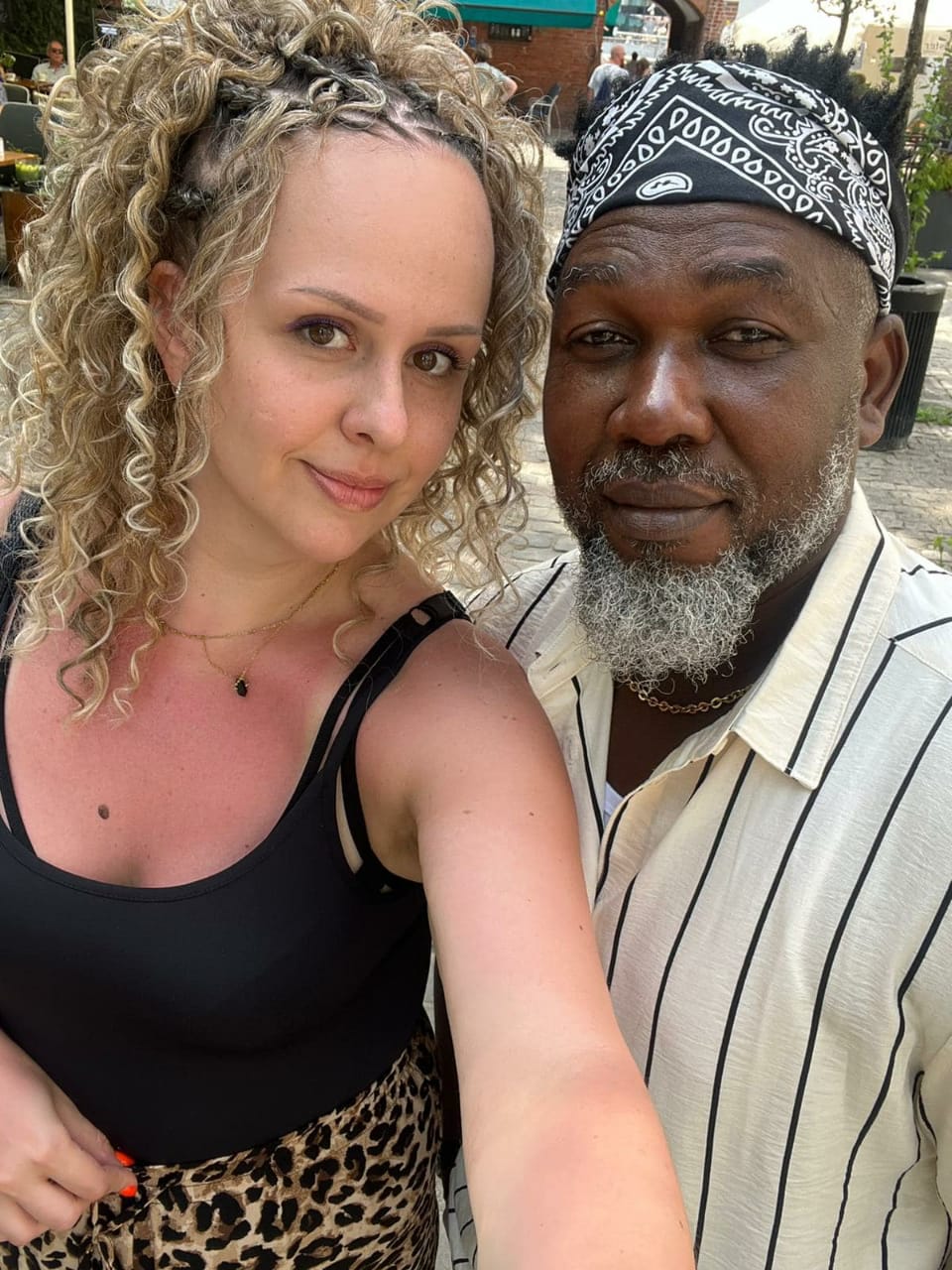
In a thought-provoking revelation, Nigerian father of four, Ewa Ekuma, currently residing in Poland, has shared his unconventional approach to parenting-raising his children without any religious influence. This disclosure, made public through a Facebook post dated January 18, 2026, challenges traditional norms by emphasizing critical thinking over religious teachings.
Parenting Beyond Religious Boundaries
Ekuma openly admits that his children have no knowledge of religious figures such as Jesus, Muhammad, God, or Allah. Despite this, he proudly notes that they exhibit exemplary behavior and discipline. He has actively removed them from all religious education programs at their schools, advocating for a new paradigm in child development.
“My children are unaware of who Jesus, Muhammad, God, or Allah are, yet they remain well-mannered and disciplined. I have withdrawn them from all religious studies at school. For Africa to advance, we must nurture children who think critically rather than those who simply fear God. This is an era for knowledge, not blind belief,” Ekuma stated.
The Case for Critical Thinking in Modern Education
Ekuma’s stance reflects a growing global conversation about the role of religion in education and child-rearing. Recent studies indicate that fostering critical thinking skills from an early age can lead to better problem-solving abilities and emotional intelligence. For instance, a 2024 UNESCO report highlights that children encouraged to question and analyze information tend to perform better academically and socially.
Global Examples of Secular Upbringing
Similar parenting philosophies have been observed in various parts of the world. In Scandinavian countries, where secularism is prevalent, children are often raised with an emphasis on ethics and reasoning rather than religious doctrine. This approach has been linked to high levels of social trust and civic engagement among youth.
Implications for African Societies
Ekuma’s message resonates particularly within the African context, where religion often plays a central role in daily life and education. His call to prioritize critical thinking over religious indoctrination invites a broader discussion on how societies can balance cultural traditions with the demands of a rapidly evolving world.

