
Table of Contents
Efforts to Resolve the Political Turmoil in Rivers State Intensify
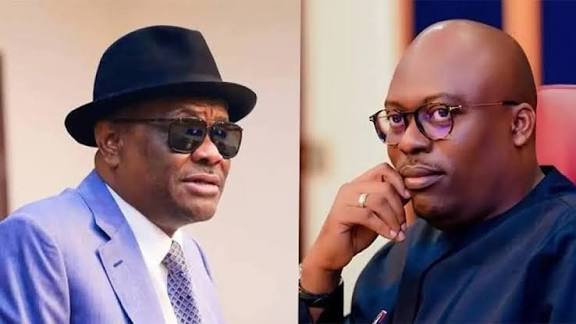
The Pan Niger Delta Forum (PANDEF) has intensified its mediation efforts to quell the ongoing political unrest in Rivers State. Recent reports from Politics Nigeria reveal that PANDEF’s reconciliation committee has engaged separately with two key figures embroiled in the conflict: the Federal Capital Territory Minister, Nyesom Wike, and the Governor of Rivers State, Siminalayi Fubara.
Peace-Building Initiatives by PANDEF
These meetings are part of PANDEF’s strategic attempt to bridge the divide between Wike and Fubara, whose prolonged power struggle has disrupted governance in this vital oil-producing region. The reconciliation committee, chaired by former Attorney General of the Federation, Chief Kanu Agabi, SAN, comprises seven distinguished Nigerians tasked with facilitating dialogue and restoring stability.
Active Engagement with Stakeholders in Port Harcourt
Dr. Godknows Igali, PANDEF’s National Chairman, highlighted the committee’s progress, emphasizing the cooperative spirit demonstrated by both political leaders. “The fact that Wike and Governor Fubara agreed to meet with the committee signals their mutual interest in finding a peaceful resolution,” Igali stated. The committee has been conducting extensive consultations in Port Harcourt, engaging with influential political figures and traditional leaders aligned with both factions.
Igali reassured the public that these ongoing discussions are constructive and that fears of escalating conflict are unfounded. “If there was no willingness to cooperate, these meetings would not have taken place. The committee’s presence on the ground and its interactions with elders and political leaders are fostering meaningful progress,” he added.
Addressing Impeachment Rumors and Regional Stability
In response to circulating rumors about a potential impeachment of Governor Fubara, Igali dismissed such concerns as exaggerated. He assured residents that the situation is under careful management to prevent any destabilization. Highlighting Rivers State’s critical role in Nigeria’s economy, he warned that unrest in the region could have far-reaching consequences nationwide.
“Our region is blessed with respected elders who are actively mediating. All parties involved are cooperating, and while the committee may not meet every member of the assembly, it is engaging key leaders to ensure a peaceful outcome,” Igali explained. He emphasized PANDEF’s reputation as a leading regional body committed to maintaining peace and stability.
Growing Opposition to Impeachment Attempts
Meanwhile, resistance to the impeachment proceedings against Governor Fubara continues to mount. The Ijaw National Congress (INC) has vocally condemned the Rivers State House of Assembly, led by Martin Amaewhule, for pursuing impeachment against both the governor and his deputy, Professor Ngozi Odu.
INC President, Professor Benjamin Okaba, criticized the move as politically driven and unnecessary, accusing lawmakers of disregarding numerous appeals from respected organizations within and beyond Rivers State. He challenged the legal foundation of the impeachment process, labeling it a “clear case of vendetta” destined to fail.
“This is not about advancing democracy or development in Rivers State or Nigeria. It is about personal ambitions taking precedence over the welfare of the state. The actors involved prioritize their interests rather than what benefits the people,” Okaba asserted.
Contextualizing the Crisis: Implications and Outlook
The political discord in Rivers State reflects broader challenges faced by Nigeria’s oil-rich regions, where power struggles often threaten economic stability and social cohesion. According to recent data, Rivers State contributes approximately 30% of Nigeria’s oil output, underscoring the importance of maintaining effective governance.
Similar conflicts in other resource-rich areas, such as the Niger Delta, have historically led to disruptions in production and heightened tensions. PANDEF’s mediation efforts, therefore, are crucial not only for local peace but also for safeguarding national economic interests.
As the reconciliation committee continues its work, the involvement of credible elders and political stakeholders offers hope for a resolution that prioritizes unity and progress. The situation remains dynamic, but the commitment from both Wike and Fubara to engage in dialogue marks a positive step toward ending the crisis.
