
Table of Contents
The Crucial Role of Nigeria’s House of Representatives in Upholding Democracy
Guardians of Legislative Integrity and the Rule of Law
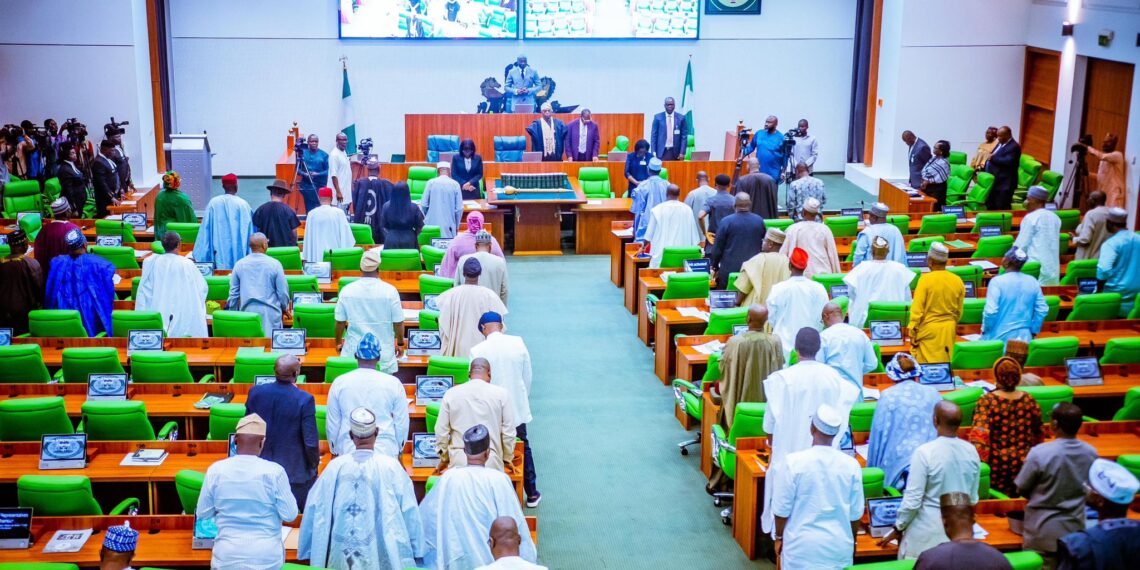
Within Nigeria’s constitutional framework, the House of Representatives holds a pivotal and revered position. Beyond its fundamental duty of crafting legislation, this body serves as a vigilant protector of the rule of law, ensuring that governance remains transparent, accountable, and just.
The Impact of Undermining Legislative Responsibility
When the House’s commitment to impartial oversight falters, the consequences ripple far beyond mere institutional disrepute. Such lapses erode public trust and weaken the very foundations of Nigeria’s democratic system, threatening the stability and legitimacy of governance.
Strengthening Democratic Foundations Through Effective Oversight
In recent years, the House of Representatives has faced increasing scrutiny regarding its oversight functions, especially amid rising concerns about corruption and governance inefficiencies. According to the 2023 Transparency International report, Nigeria ranks 150th out of 180 countries in corruption perception, underscoring the urgent need for robust legislative vigilance.
Drawing parallels to other democracies, such as South Africa’s National Assembly, which has enhanced its oversight mechanisms through technology and public engagement, Nigeria’s House can adopt similar strategies to reinforce its role as a democratic watchdog.
Conclusion: Upholding Democratic Values Through Legislative Excellence
The House of Representatives is more than a lawmaking institution; it is a cornerstone of Nigeria’s democracy. By steadfastly executing its oversight duties with integrity and impartiality, it can safeguard democratic principles and foster a governance culture that commands respect and trust from all citizens.
