
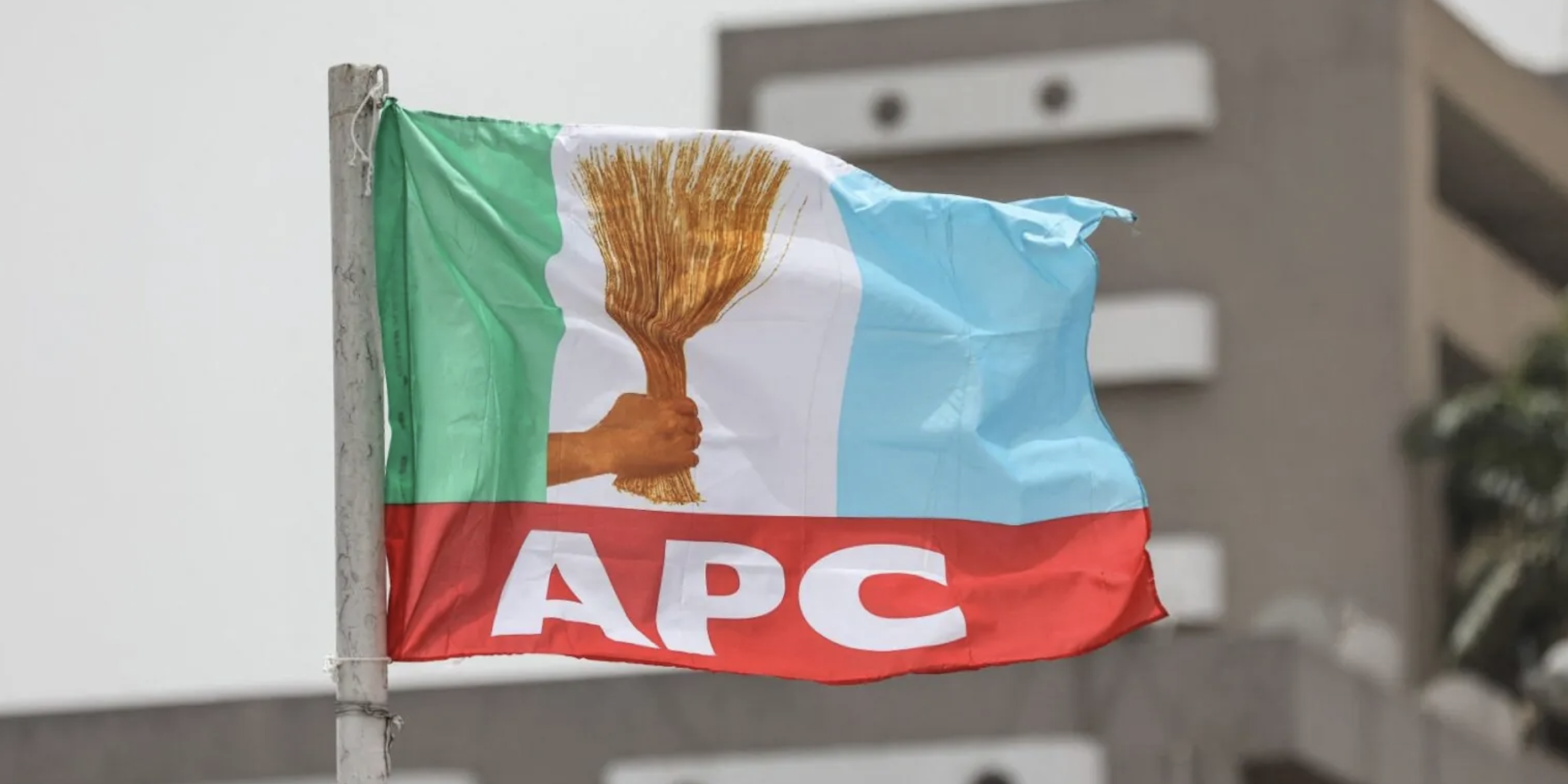
The Ebonyi State chapter of the All Progressives Congress (APC) has set a nomination fee of N30 million for aspirants seeking to run for local government chairmanship positions. This announcement was made by the party’s State Chairman, Stanley Okoro Emegha, following a confidential meeting with party leaders from across Ebonyi State held in Abakaliki.
### Ebonyi APC Imposes High Nomination Fee for Local Government Chairmanship Contests
The APC in Ebonyi State has recently established a nomination fee of N30 million for candidates aiming to contest local government chairmanship seats. Stanley Okoro Emegha, the State Chairman, disclosed this during a press briefing after a strategic closed-door session with party officials representing all parts of the state.
This meeting convened key party stakeholders, including the 13 Local Government Chairmen and 171 Electoral Ward chairmen and secretaries, as reported by BusinessDay. The primary focus was to update party executives on forthcoming APC initiatives and to strengthen internal communication channels within the party’s framework.
Emegha emphasized the importance of unity among party members and the need to align their efforts ahead of the upcoming political activities in Ebonyi State, ensuring the party presents a cohesive front.
### Prominent Candidate Enters the Contest, Drawing Public Attention
In a notable development, Osborn Umahi, son of the Minister of Works, Engr. Dave Umahi, has purchased the APC nomination form to vie for the chairmanship of Ohaozara Local Government Area. His acquisition of the form attracted a large gathering of supporters at the APC Secretariat, highlighting the heightened interest in the race.
### Controversy Surrounds the Steep Nomination Fee: Accessibility and Fairness Questioned
The N30 million nomination fee has sparked debate, particularly when juxtaposed with the official remuneration of local government chairpersons nationwide. According to the 2024 salary and allowance structure released by the Revenue Mobilisation Allocation and Fiscal Commission (RMAFC), a local government chairman in Ebonyi State earns an annual salary of approximately N3.5 million, supplemented by allowances totaling around N2.7 million per year. This sums up to about N6.2 million annually, or roughly N24.8 million over a four-year term-still less than the required nomination fee.
This disparity raises significant concerns about the financial barriers confronting grassroots political hopefuls. Nigeria’s political landscape has long been criticized for entrenched corruption, with elected officials often accused of misappropriating public funds intended for community development. The exorbitant nomination fees further complicate the political entry process, potentially limiting participation to wealthy individuals.
### The Wider Impact: Escalating Costs of Political Participation Across Nigeria
The steep nomination fee in Ebonyi reflects a broader national trend where fees for elective positions have escalated, sometimes surpassing the official earnings of the offices sought. For example, in several other states, nomination fees for gubernatorial and legislative positions have reached similarly prohibitive levels, fueling debates about the inclusivity and transparency of Nigeria’s electoral system.
Data from the Independent National Electoral Commission (INEC) reveal that such financial obstacles contribute to reduced candidate diversity and discourage qualified but less affluent individuals from contesting elections. This situation highlights the urgent need for electoral reforms aimed at lowering financial barriers and fostering equitable access to political offices.
Addressing these challenges is crucial for Nigeria to cultivate a more representative and accountable political environment that encourages participation from all societal segments.
