
Table of Contents
EU Removes Nigeria and Five African Nations from High-Risk Financial Watchlist
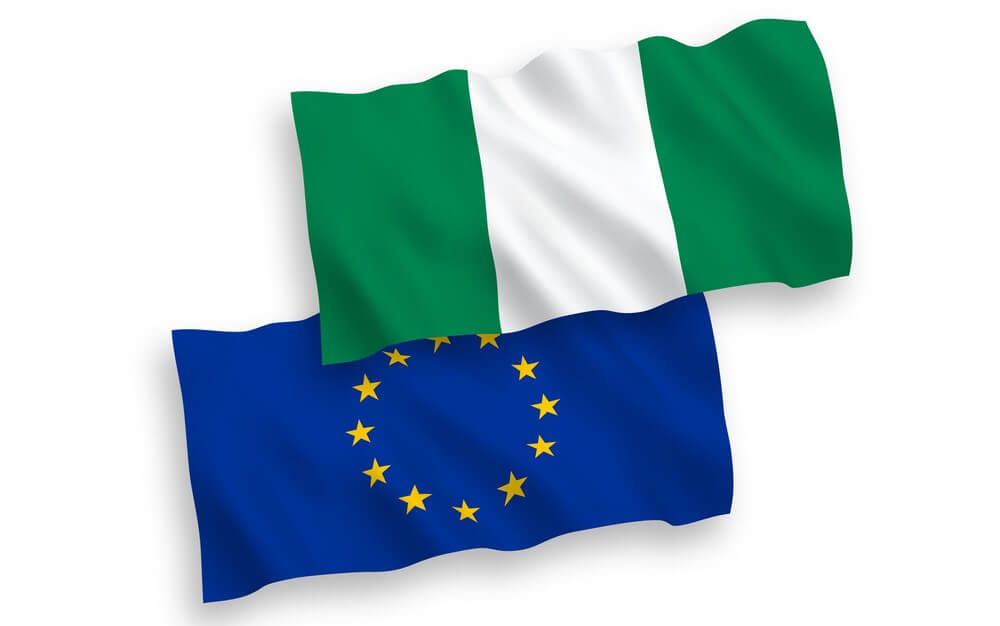
The European Union has officially taken Nigeria and five other African countries off its list of “high-risk third country jurisdictions” associated with money laundering and terrorism financing concerns. This significant update reflects the progress these nations have made in strengthening their financial regulatory frameworks.
Countries Delisted Alongside Nigeria
Along with Nigeria, South Africa, Burkina Faso, Mali, Mozambique, and Tanzania have also been removed from the EU’s high-risk list. This collective delisting marks a positive shift in the continent’s fight against illicit financial activities.
Background: FATF Grey List Removal Spurs EU Decision
This EU decision follows the successful removal of these countries from the Financial Action Task Force (FATF) grey list, a designation for nations with deficiencies in their anti-money laundering and counter-terrorism financing (AML/CFT) systems. Nigeria’s delisting from the FATF grey list was announced in October 2025, signaling substantial reforms in its financial oversight mechanisms.
European Commission’s Confirmation and Impact
According to Business Insider Africa, the European Commission confirmed that these countries have addressed critical “strategic deficiencies” in their financial systems, now aligning with international AML/CFT standards set by the FATF. The Commission emphasized that the reforms implemented were sufficient to justify their removal from the EU’s financial high-risk category.
Benefits of Delisting for Trade and Investment
With the enhanced due diligence requirements scheduled to be lifted starting January 29, this delisting is expected to facilitate smoother trade and payment transactions. It will likely reduce transaction costs and enhance investor confidence, potentially attracting more foreign direct investment into these economies. For example, Nigeria’s foreign investment inflows increased by 12% in the first quarter of 2026, partly attributed to improved regulatory perceptions.
Official Reactions and Future Outlook
Doris Uzoka-Anite, Nigeria’s Minister of State for Finance, hailed the removal as a “major milestone” for the country. She expressed pride in the achievement on social media, congratulating President Bola Tinubu and highlighting the positive implications for trade and investor trust.
This development not only reflects the commitment of these African nations to combat financial crimes but also sets a precedent for continued reforms and international cooperation in the financial sector.
