
Table of Contents
Iran Delays Execution of Protester Amid International Pressure
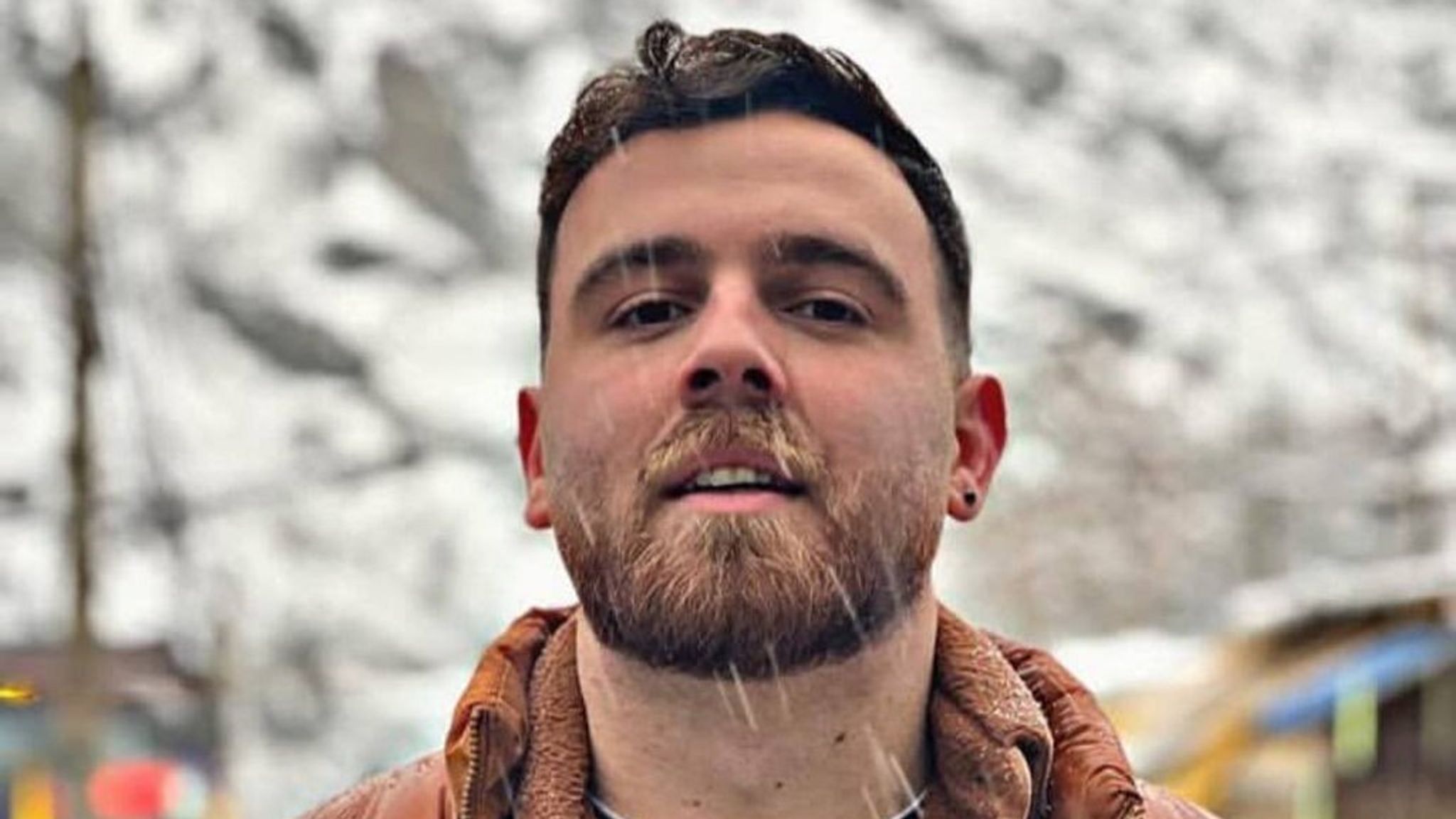
In a significant development, Iran has postponed the scheduled execution of Erfan Soltani, a 26-year-old clothing store owner and the first individual sentenced to death in connection with the recent wave of protests. The execution, initially set for Wednesday, January 14, was deferred following mounting pressure from the United States and global human rights advocates.
Background: The First Death Sentence in Recent Unrest
Erfan Soltani was convicted after participating in demonstrations that erupted across Iran in late December, sparked by economic grievances and calls for political reform. His family publicly appealed to then-US President Donald Trump, urging intervention to halt the execution. This case marked a grim milestone as the first death sentence handed down amid the ongoing crackdown on dissent.
US Response and Diplomatic Impact
President Trump issued a stern warning, declaring that the United States would respond with “very strong action” should Iran proceed with executing detained protesters. He emphasized, “If they hang them, you’re going to see something,” signaling potential escalations in diplomatic or economic measures. Shortly after these remarks, Soltani’s family received confirmation that the execution would not proceed as planned, though they cautioned that the sentence remains in place and could be carried out at any time. Soltani is currently held in solitary confinement at Ghezel Hesar prison.
Ongoing Crackdown and Human Rights Concerns
Despite the postponement, Tehran has indicated that expedited trials and severe penalties will continue as part of its efforts to suppress the protests. Human rights organizations report a heavy toll: Iran Human Rights estimates that over 3,400 individuals have been killed by security forces since the demonstrations began. These figures underscore the severity of the government’s response to widespread civil unrest.
Official Statements and Regional Tensions
Iran’s Foreign Minister Abbas Araqchi publicly denied any plans to carry out executions related to the protests, asserting in a televised interview that capital punishment in this context is “out of the question.” He attributed the unrest to violent provocations allegedly orchestrated by Israel, claiming that peaceful protests had been hijacked by external forces. Araqchi also stated that order has been restored across the country.
Heightened Security and International Vigilance
Amid escalating tensions, Iran has closed its airspace, raising concerns about potential military confrontations. When questioned about the possibility of US military intervention, President Trump indicated that the situation is under close observation. He remarked, “We’re going to watch and see what the process is,” and noted receiving “a very good statement” from informed sources regarding the developments.
Looking Ahead: The Global Response to Iran’s Protest Crackdown
The international community continues to monitor Iran’s handling of the protests, balancing diplomatic pressure with concerns over regional stability. The postponement of Soltani’s execution may signal a temporary de-escalation, but the persistence of harsh judicial measures and the high casualty count highlight ongoing challenges. As of early 2024, calls for accountability and respect for human rights remain central to global discourse on Iran’s internal crisis.
