
Table of Contents
Remembering Claudette Colvin: The Unsung Pioneer of the Civil Rights Movement
A Courageous Stand at Just 15
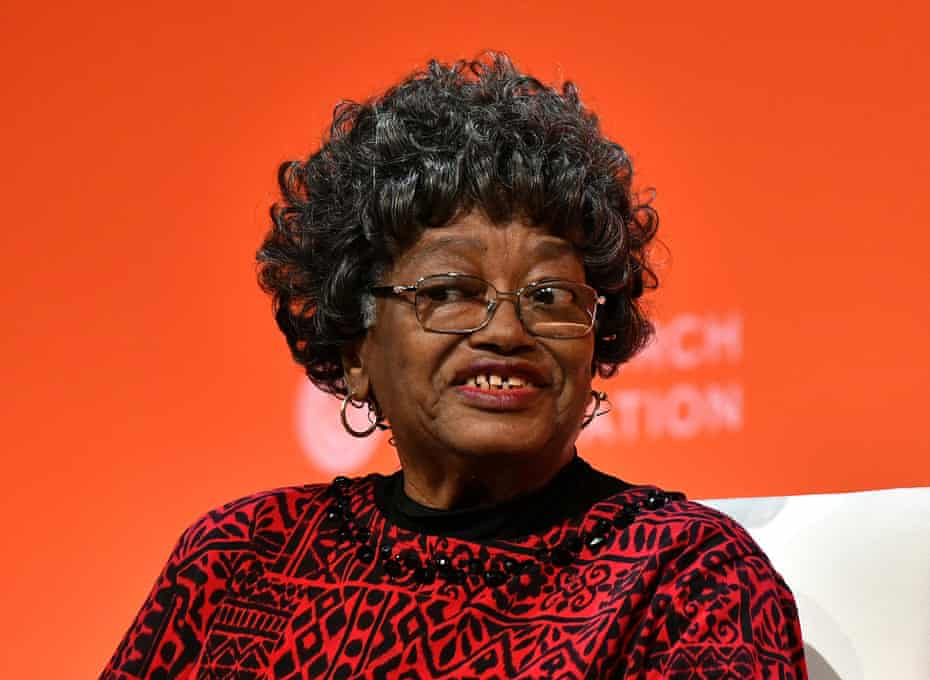
Claudette Colvin, a trailblazing civil rights advocate, passed away on January 13 at the age of 86. At only 15 years old, Colvin boldly refused to surrender her bus seat to a white passenger in Montgomery, Alabama, an act of defiance that occurred nine months before Rosa Parks’ more widely recognized protest. Despite her youth, Colvin’s courageous resistance became a foundational moment in the fight against racial segregation.
Early Defiance That Sparked a Movement
Colvin’s refusal to give up her seat was one of the earliest public challenges to Montgomery’s Jim Crow laws, which enforced racial segregation on public buses. When the bus driver demanded she move, Colvin stood firm, ultimately being forcibly removed by police. She later recounted that her inspiration came from studying abolitionist icons like Harriet Tubman and Sojourner Truth, feeling their strength guiding her resolve.
Why Claudette Colvin’s Story Was Overlooked
Although Colvin’s act was pivotal, civil rights leaders at the time chose Rosa Parks as the face of the bus boycott that followed in December 1955. Parks, an older, lighter-skinned seamstress and NAACP secretary, was perceived as a more relatable and dignified figure to galvanize public support. Social factors such as class differences and “colorism” contributed to sidelining Colvin, who came from a less privileged background. Additionally, Colvin’s teenage pregnancy, resulting from an encounter she described as statutory rape, complicated her public image in the eyes of movement strategists.
Legal Impact: Browder v. Gayle and the End of Bus Segregation
Despite these challenges, Colvin played a crucial role as a plaintiff and key witness in the landmark Browder v. Gayle case. This federal lawsuit successfully challenged the constitutionality of bus segregation in Montgomery, culminating in the 1956 Supreme Court ruling that declared such racial discrimination illegal. This victory marked a significant milestone in dismantling institutionalized segregation across the United States.
Life After Activism and Legacy
Following her involvement in the civil rights movement, Colvin lived a relatively private life, working as a nurse’s aide and raising her family as a single mother. For decades, her contributions remained largely unrecognized until historians and activists began to highlight her indispensable role in the early stages of the movement. Fred Gray, the attorney who argued Browder v. Gayle, acknowledged Colvin’s bravery as a catalyst for the broader struggle against segregation, stating she provided the moral courage necessary for the fight.
Recent Recognition and Historical Reappraisal
In recent years, efforts have been made to honor Colvin’s legacy, including the expungement of her juvenile arrest record. The Claudette Colvin Foundation continues to promote awareness of her story, ensuring that future generations understand the depth of her impact on civil rights history. Her story serves as a powerful reminder that monumental social change often begins with the courage of individuals willing to stand up against injustice, regardless of their age or background.
As of 2024, Claudette Colvin’s legacy is increasingly celebrated in educational curricula and public commemorations, reflecting a broader commitment to acknowledging all pioneers of the civil rights movement.
