
Table of Contents
JOHESU Initiates Indefinite Strike in Opposition to Federal Health Ministry’s “No Work, No Pay” Directive
Union Challenges Government’s Unilateral Enforcement
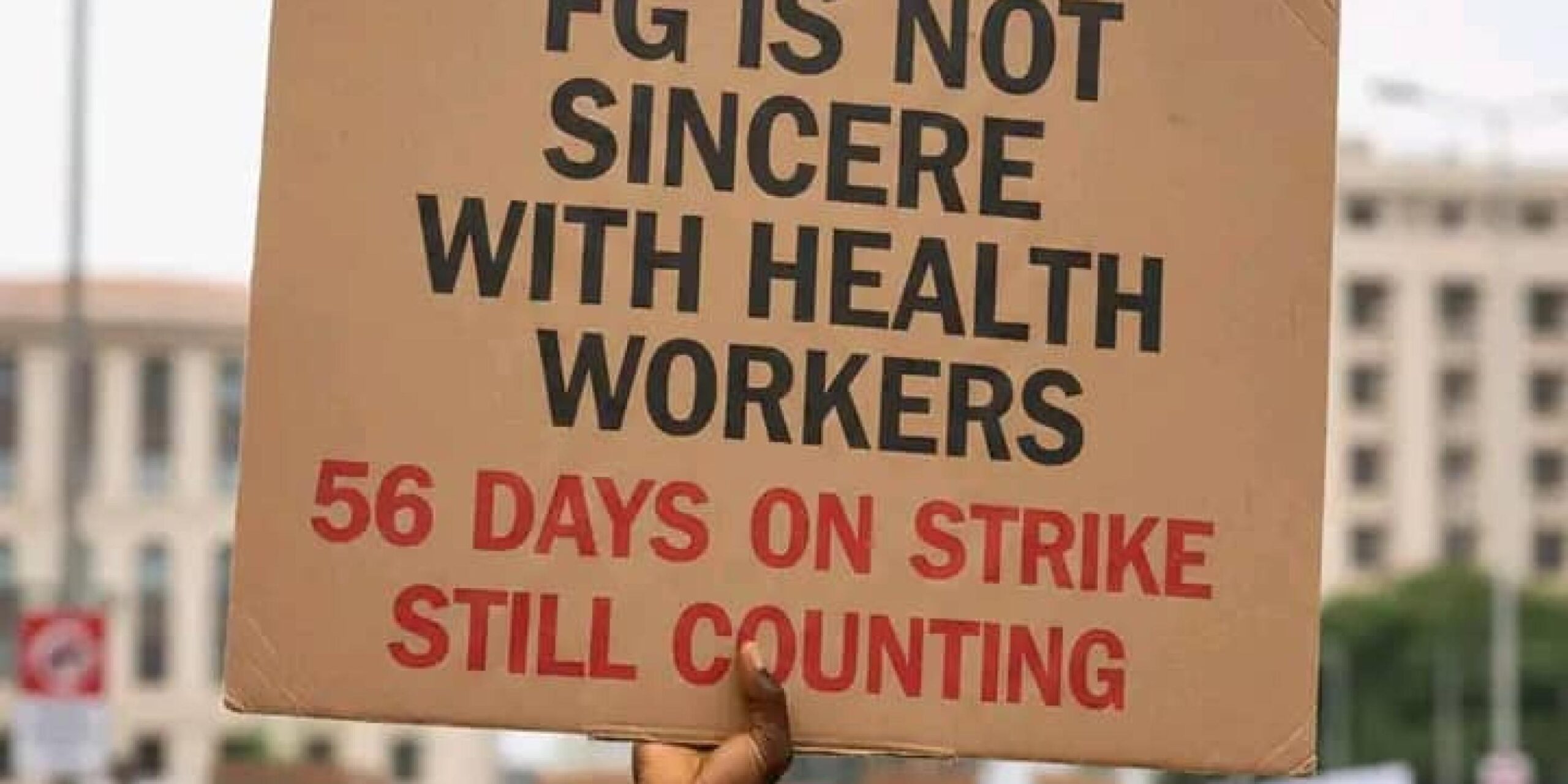
The Joint Health Sector Unions (JOHESU) has declared an open-ended strike involving all its members employed in federal health institutions across Nigeria. This action is a direct reaction to the Federal Ministry of Health’s recent imposition of a “No Work, No Pay” policy, which was introduced without any prior dialogue or negotiation with the union representatives.
Union Leaders Decry Policy as a Violation of Workers’ Rights
In a public address on Saturday, Comrade Abubakar Sani Aminu, a leading figure within JOHESU, condemned the government’s approach as an authoritarian measure that undermines the fundamental principles of collective bargaining and labor rights. Aminu stressed that the policy’s implementation without union consultation signals a disregard for the voices and welfare of health sector employees.
Mandate for Federal Health Facilities to Enforce Payment Suspension
The directive instructs Chief Medical Directors and Medical Directors in all federal health establishments to apply the “No Work, No Pay” rule strictly. JOHESU interprets this as a calculated effort by the government to diminish the union’s bargaining power amid ongoing labor tensions. Aminu described the policy as “a deliberate government strategy” aimed at fracturing union solidarity.
Complete Work Stoppage: No Partial or Skeleton Services Permitted
In retaliation, JOHESU has ordered its members to halt all professional duties immediately, explicitly prohibiting any form of skeleton or emergency services. The union’s communiqué emphasized the necessity of a unified stance, stating, “No skeleton services, no assistance, and no concessions will be tolerated.”
Solidarity as the Cornerstone of Effective Labor Action
Aminu called on union members to maintain calm but resolute resistance, cautioning that the government’s policy is designed to create divisions within the union. He underscored that the success of their collective efforts hinges on unwavering unity, warning that acquiescing to the policy could establish a harmful precedent for future labor negotiations in the health sector.
Ongoing Commitment to Fair Labor Practices and Negotiations
JOHESU reaffirmed its commitment to championing fair treatment and improved working conditions for health workers nationwide. The union urged all members to remain steadfast and supportive throughout the negotiation process with federal authorities, highlighting that solidarity is essential to securing equitable pay and better workplace environments.
Potential Consequences for Public Healthcare Delivery
As of this writing, the Federal Ministry of Health has yet to respond officially to JOHESU’s strike announcement. The strike’s full impact on public health services remains uncertain; however, past JOHESU strikes have caused widespread disruptions in federal hospitals, adversely affecting patient care and operational efficiency.
Current Challenges Facing Nigeria’s Health Sector
Recent statistics reveal mounting pressures on Nigeria’s healthcare system, including chronic understaffing and insufficient funding, issues worsened by recurrent labor disputes. The Nigerian Medical Association reports that over 60% of federal health workers have engaged in strike actions within the last five years, underscoring persistent friction between healthcare professionals and government bodies.
Path Forward: Emphasizing Constructive Engagement
Industry experts advocate for transparent communication and meaningful negotiations between the government and health sector unions as vital to resolving ongoing conflicts. Without such collaborative efforts, the likelihood of extended interruptions to critical health services remains high, threatening the wellbeing of millions of Nigerians dependent on federal healthcare institutions.
