Table of Contents
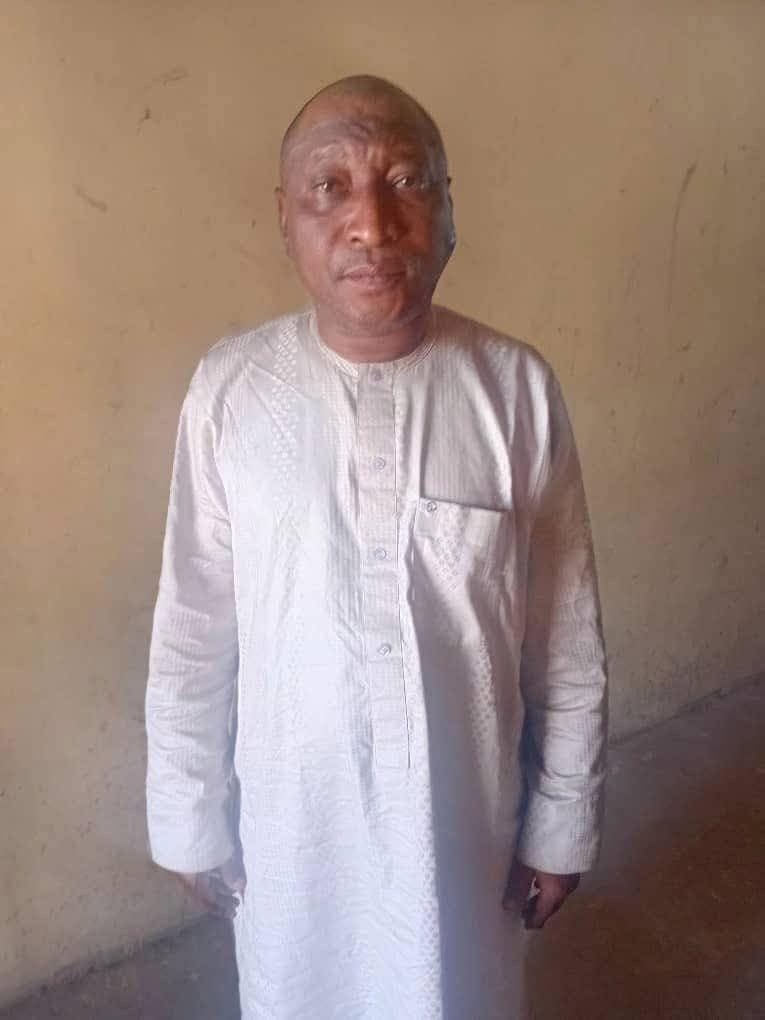
Former Student Identifies Arrested Suicide Bombing Network Leader as His Primary School Teacher
Bashir Bukar Mohammed, an engineer from Borno State, has disclosed a startling connection to a recently apprehended terror suspect. The man identified as Shariff Umar, who was detained by the Nigerian Army for orchestrating suicide bombings in the North East, was once his primary school teacher at Aliyaskiri Primary School in Maiduguri.
In a social media post dated January 4, 2026, Bashir described Umar as a malevolent figure even during their school days, expressing hope that justice would prevail. This revelation adds a personal dimension to the ongoing counterterrorism efforts in the region.
Details of the Arrest and Operation HADIN KAI
Shariff Umar, also known by the alias “Yusuf,” was captured during Operation HADIN KAI (OPHK), a military initiative targeting terror cells responsible for recent suicide bombings and attempted attacks across North East Nigeria. The arrest took place following intelligence-driven cordon-and-search missions in Maiduguri’s Kalmari district on December 31, 2025.
During these operations, security forces detained 14 individuals linked to suicide bombing activities. Subsequent investigations meticulously mapped out the terror cell’s hierarchy, roles, and operational connections, revealing Umar as the mastermind behind the network.
Role and Activities of Shariff Umar in the Terror Network
Interrogations of suspects, including Ibrahim Muhammad, a detained alleged suicide bomber, confirmed Umar’s leadership role. He was responsible for recruiting and training suicide bombers, coordinating their missions, and managing the logistics of assembling and distributing Improvised Explosive Devices (IEDs).
Investigators linked Umar directly to the December 24, 2025, suicide bombing at Gamboru Market Mosque, where his associate, Adamu, carried out the attack. Umar was also implicated in a failed bombing attempt in Damaturu, where he personally handed over IED components to the would-be bomber in Maiduguri.
Network Connections and Family Involvement
Further inquiries uncovered the involvement of Umar’s immediate family in the terror network. His wife, Yagana Modu, was identified as a participant, while his stepdaughter, Amina, admitted to having seen the suspect bomber within their home. These revelations highlight the complex, community-based concealment strategies employed by terrorist cells.
Ongoing Investigations and Security Implications
All detainees remain in custody as authorities conduct comprehensive, multi-faceted investigations aimed at dismantling the entire network. Efforts are underway to identify additional collaborators and recover any remaining explosive materials or logistical resources.
This case underscores the persistent challenges faced by security agencies in combating terrorism in Nigeria’s North East, where insurgent groups continue to exploit local networks and familial ties to evade detection.