
Table of Contents
Peter Obi Condemns Lawmakers for Neglecting to Criminalise Vote-Buying in Party Primaries
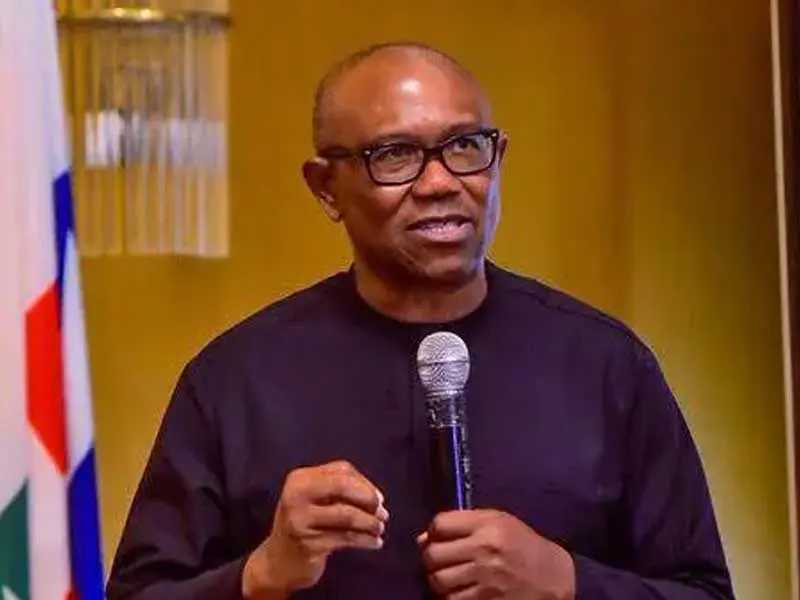
Peter Obi, the former Labour Party presidential hopeful, has openly criticised the House of Representatives for their refusal to outlaw vote-buying during party primaries, a move he believes undermines Nigeria’s democratic progress and squanders a critical chance for electoral reform.
Disappointment Over Legislative Inaction Amid Electoral Act Amendments
As the National Assembly deliberated on amendments to the 2022 Electoral Act, Obi voiced his frustration, highlighting the widespread anticipation among Nigerians that lawmakers would decisively tackle vote-buying at its inception-the party primary stage where candidates are selected.
In a statement shared on X (formerly Twitter), Obi lamented the House’s reluctance to close loopholes that perpetuate electoral malpractice. “Just yesterday, Nigerians hoped the House of Representatives would finally take a decisive stand against the cancer of vote-buying,” he remarked.
Vote-Buying at Primaries: The Root of Electoral Corruption
Obi emphasised that failing to criminalise inducements during party primaries signals a lack of political resolve to reform the electoral system from its foundation. He argued that tackling vote-buying only after primaries is insufficient, as the manipulation of electoral outcomes often begins with candidate selection.
“Any meaningful effort to eradicate vote-buying must start at the primaries. Without addressing the problem at its source, subsequent measures will be ineffective and short-lived,” Obi asserted.
The Broader Impact of Vote-Buying on Nigerian Democracy
Warning of the corrosive effect of monetary influence on elections, Obi stated, “When votes are purchased, democracy loses its essence and legitimacy. A democracy where votes are bought is not genuine; it becomes a marketplace of corruption. Nigeria deserves a system rooted in fairness and integrity.”
He also highlighted the alarming normalization of vote-buying beyond politics, noting its infiltration into community organizations, clubs, and even student elections. “This troubling trend has permeated town unions, village associations, and educational institutions, reflecting a deep-seated cultural problem,” he added.
Call for Bold Reforms to Protect Nigeria’s Democratic Future
Obi concluded with a passionate appeal for urgent and courageous reforms, insisting that Nigeria’s democratic future must not be compromised for political expediency. “The future of our democracy is not for sale. A renewed Nigeria is achievable, but only if we confront these corrupt practices head-on and ensure integrity begins at the very start of the electoral process,” he urged.
Context: Recent Legislative Developments on Electoral Offences
Obi’s remarks come amid ongoing efforts by the House of Representatives to strengthen the Electoral Act. Recently, the House approved harsher penalties for electoral violations such as forging nomination papers and tampering with election results, including increased fines and extended jail sentences.
However, a proposed clause to impose jail terms on individuals who financially or materially induce delegates during party primaries, congresses, or conventions was rejected. Lawmakers expressed concerns that such a provision could be weaponised against political rivals.
Additionally, the House revised rules concerning over-voting. Instead of annulling results in polling units with excess votes, the new approach deducts the surplus votes proportionally from candidates’ totals, while holding the presiding officer accountable through prosecution.
