
Table of Contents
Malami Remains Detained by EFCC Despite Court Bail Order
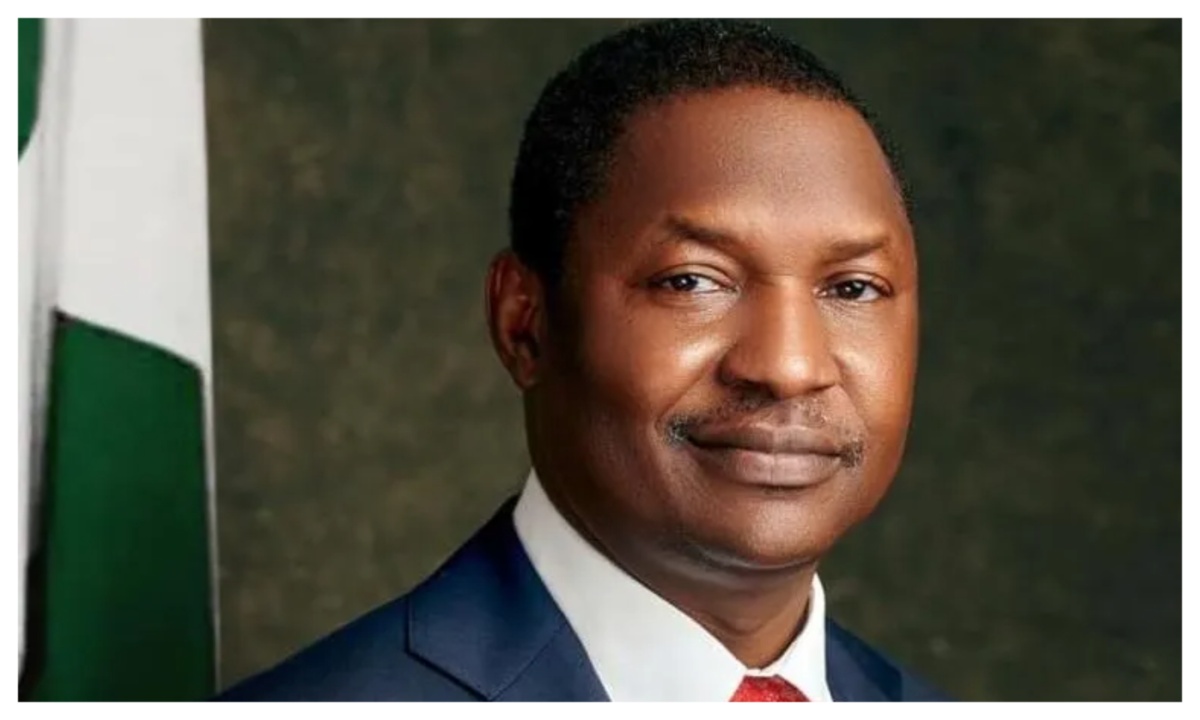
Abubakar Malami, the former Attorney-General of the Federation (AGF), continues to be held in custody by the Economic and Financial Crimes Commission (EFCC), notwithstanding a bail order granted by an Abuja High Court on December 23, 2025. This information was confirmed by Malami’s media aide, Bello Doka.
Allegations of Unlawful Detention and Media Misrepresentation
Bello Doka condemned the EFCC’s refusal to release Malami as unlawful, emphasizing that the former AGF voluntarily presented himself for investigation and complied fully with all bail conditions stipulated by the commission. Despite this, the EFCC has reportedly propagated misleading stories about Malami through various media channels.
“The ongoing confinement of Malami within EFCC facilities flagrantly violates due process and represents a serious abuse of authority by an agency that should uphold and enforce court rulings,” Doka stated.
Implications for Rule of Law and Democratic Principles
Doka further criticized the EFCC’s actions as an indication that the commission is positioning itself above the law, a stance that contradicts the fundamental Nigerian legal principle that no individual is exempt from legal accountability.
He underscored that Malami’s continued detention, despite the court’s explicit bail order, infringes upon his basic human rights and undermines the integrity of Nigeria’s justice system.
Concerns Over EFCC’s Commitment to Justice and Court Orders
Highlighting the gravity of the situation, Doka warned that the EFCC’s apparent disregard for judicial directives could erode public trust in democratic institutions and raise serious doubts about the commission’s dedication to fair legal processes.
He also revealed that court bailiffs were reportedly denied access when attempting to serve the EFCC with the court’s bail order, suggesting deliberate non-compliance with judicial authority.
Call for Legal Resolution and End to Media Trials
In conclusion, Doka challenged the EFCC to either formally charge Malami before a competent court or cease what he described as a “media trial” characterized by the dissemination of false information. He urged the commission to respect the rule of law and uphold the principles of justice.
Recent statistics indicate that cases involving high-profile figures and the EFCC have increasingly drawn public scrutiny, emphasizing the need for transparency and adherence to legal standards to maintain confidence in Nigeria’s anti-corruption efforts.
