
Table of Contents
Impact of Sahel Coups on Nigeria’s Security Landscape
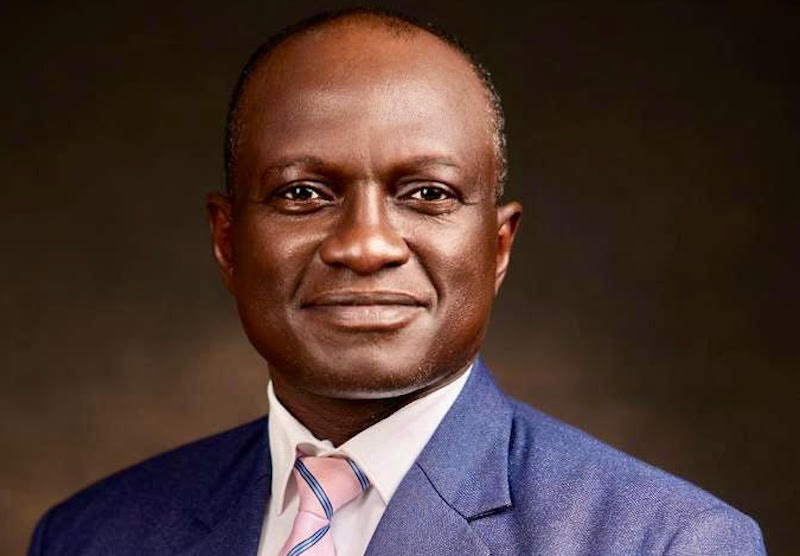
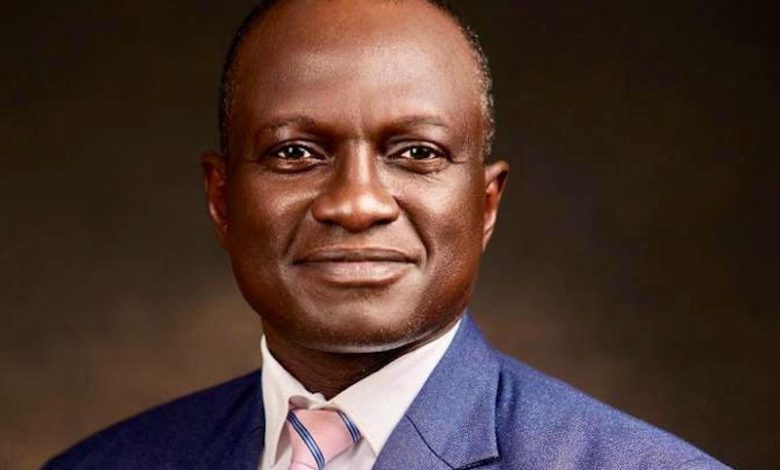
Major General Garba Laka (retired), who coordinates the National Counter Terrorism Centre (NCTC) under the National Security Adviser’s office, has highlighted a significant decline in Nigeria’s security environment following the recent military takeovers in Burkina Faso, Niger, and Mali. These political upheavals have intensified instability across the Sahel region, directly affecting Nigeria’s internal security dynamics.
Regional Instability and Its Ripple Effects
Speaking at the annual media briefing with defence journalists, Laka emphasized that the Sahel’s escalating extremist activities have spilled over Nigeria’s borders. “The security improvements we witnessed towards the end of 2023 were abruptly reversed after the coups in these neighboring countries,” he explained. “Terrorist networks operating across the Sahel have exploited the power vacuums created by these regime changes.”
Challenges Posed by Porous Borders and Multinational Cooperation
The retired general pointed out that Nigeria’s vast and porous frontiers, coupled with the withdrawal of some Sahelian states from the Multinational Joint Task Force (MNJTF), have exacerbated the security challenges. “Until stability is restored in these countries, Nigeria will continue to bear the brunt of cross-border terrorism,” Laka warned. He further noted Nigeria’s unique position as West Africa’s economic powerhouse, which unfortunately makes it a lucrative target for kidnappers demanding exorbitant ransoms.
Kidnapping Networks and Financial Complexities
Laka shed light on the sophisticated nature of kidnapping operations in Nigeria, describing them as intricate enterprises involving informants, facilitators, and sometimes even victims who orchestrate their own abductions. “Our security agencies have successfully apprehended numerous kidnappers through targeted tracking operations, although operational security limits the disclosure of specific details,” he said.
Obstacles in Tracing Ransom Payments
One major hurdle in combating kidnapping is the use of point-of-sale (POS) operators to launder ransom payments. “Victims often transfer money to accounts linked to POS operators rather than directly to kidnappers, making it difficult to trace the final recipients,” Laka explained. “The kidnappers provide the POS numbers, collect the funds afterward, and this method complicates our tracking efforts. Nevertheless, we remain committed to dismantling these financial networks.”
Financial Oversight and Counterterrorism Successes
Highlighting a significant achievement, Laka revealed that Nigeria’s removal from the Financial Action Task Force (FATF) grey list was largely due to enhanced coordination among security agencies. “The NCTC established a joint investigative committee involving the EFCC, NFIU, and ICPC to monitor and recover terrorist financing,” he said. “This collaborative approach has led to the recovery of substantial funds and arrests, though sensitive details remain confidential.”
Collaboration with Social Media Platforms
In a bid to curb the online spread of extremist content, the federal government has partnered with major social media companies. “We engaged platforms such as TikTok, Instagram, Snapchat, Facebook, and X to remove posts that threaten national security,” Laka stated. “Videos glorifying bandits or showcasing their illicit gains have been taken down, significantly reducing their online propaganda.”
Looking Ahead: Strengthening Counterterrorism Efforts in 2026
Adapting to the evolving tactics of terrorist groups remains a priority for Nigerian security agencies. Laka affirmed that, following directives from the presidency, counterterrorism operations will be intensified in 2026 to better address emerging threats. “Our commitment to safeguarding Nigeria’s security is unwavering, and we will continue to innovate and collaborate to protect our citizens,” he concluded.
