
Table of Contents
Introducing Nigeria’s Vehicle Recycling Fee: A New Era for Auto Sustainability Starting 2026
Beginning in 2026, Nigerian vehicle owners and registrants will encounter a compulsory Vehicle Recycling Fee as part of the Federal Government’s ambitious End-of-Life Vehicle (ELV) initiative. This program aims to revolutionize the lifecycle management of automobiles-from importation and usage to repair and environmentally responsible disposal.
Understanding the Vehicle Recycling Fee and Its Implementation Timeline
The recycling levy will be integrated into the vehicle registration process, applying uniformly to both new and used cars. This means that from 2026 onward, every vehicle registration will include this fee, embedding environmental responsibility into the cost structure of vehicle ownership.
The ELV Framework: A Holistic Approach to Vehicle Lifecycle Management
Rather than a standalone charge, the recycling fee is a component of a comprehensive ELV framework. This system is designed to oversee vehicles throughout their entire lifespan-starting from import or purchase, continuing through active use, and culminating in safe, regulated dismantling and recycling once the vehicle is no longer roadworthy.
Economic and Environmental Benefits: Revenue Generation and Sustainable Practices
The government projects that a formalized vehicle recycling industry could generate upwards of ₦150 billion annually. Beyond financial gains, the initiative seeks to establish a transparent system for tracking vehicles, ensuring responsible dismantling, and promoting large-scale recycling efforts that mitigate environmental damage.
Addressing Nigeria’s Current Vehicle Disposal Challenges
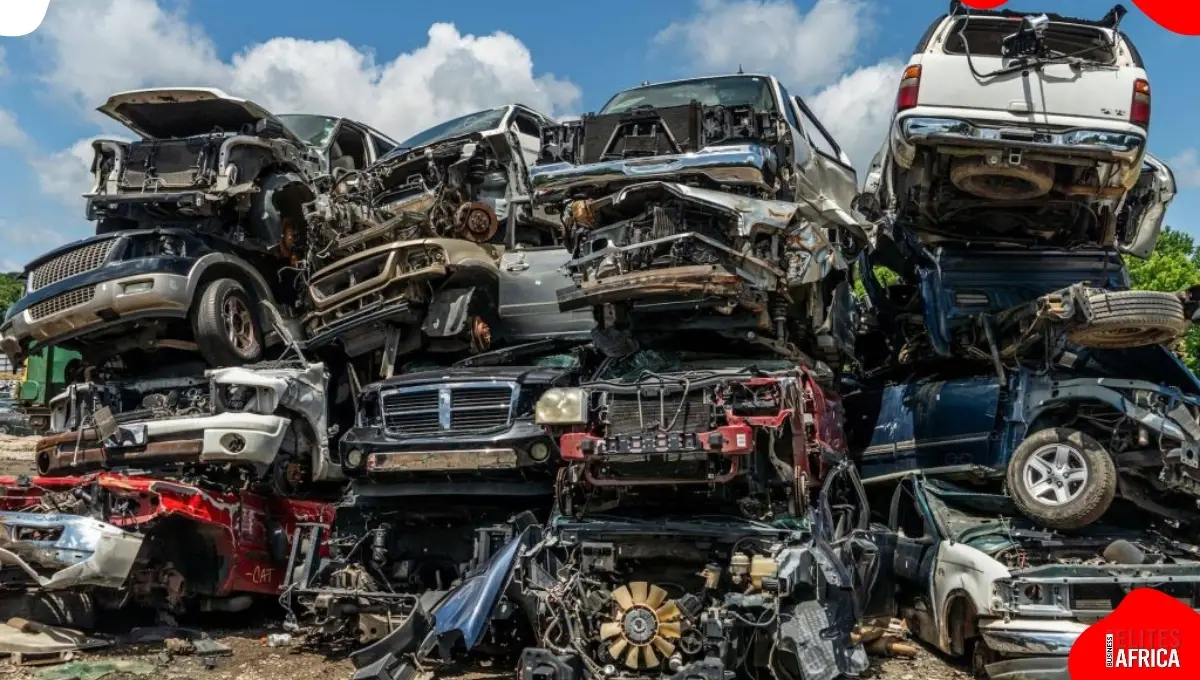
At present, Nigeria lacks robust formal mechanisms for disposing of end-of-life vehicles. Many obsolete cars are abandoned, illegally burned, or dismantled in unsafe conditions, exposing communities to hazardous substances. The recycling fee is intended to fund safer disposal methods and promote the recovery of valuable materials, thereby protecting public health and the environment.
Global Precedents: Learning from International ELV Models
Countries with advanced automotive recycling systems require upfront payments during vehicle registration to finance end-of-life disposal. This proactive funding model prevents reliance on informal and often unsafe operators when vehicles reach the end of their usability, a strategy Nigeria is now adopting.
Anticipating Public Response and the Need for Awareness Campaigns
Given the already high costs associated with vehicle ownership in Nigeria-including import tariffs, foreign exchange fluctuations, insurance, and maintenance-initial resistance to the recycling fee is expected. Effective public education campaigns will be crucial to communicate the fee’s benefits and foster acceptance.
Unlocking Value from End-of-Life Vehicles
Contrary to perceptions of old cars as mere waste, a significant portion of their components-such as metals, batteries, plastics, and mechanical parts-can be salvaged, refurbished, or recycled. Proper processing can transform these vehicles into valuable resources, supporting circular economy principles.
Transforming Nigeria’s Informal Auto Parts Market
The country’s extensive but loosely regulated used-parts sector, often referred to as the “Belgian parts” market, stands to benefit from formalization. The ELV program aims to standardize dismantling procedures, improve parts traceability, and establish safer resale and logistics channels, enhancing overall market integrity.
Job Creation Potential within the ELV Ecosystem
Implementation of the ELV system is expected to generate employment opportunities across multiple sectors, including vehicle dismantling, parts refurbishment, recycling facilities, logistics, and resale operations. This could stimulate a new industrial value chain centered on automotive waste management.
Addressing the Challenges of Used Vehicle Imports
Nigeria’s automotive market remains heavily reliant on imported used vehicles, many of which are near the end of their operational life. The ELV reforms seek to curb the influx of such vehicles by enforcing stricter import standards, thereby reducing the volume of soon-to-be scrap cars entering the country.
Mandatory Pre-Export Certification: Ensuring Quality Before Arrival
Starting in 2026, used vehicles destined for Nigeria will require pre-export certification to verify their roadworthiness. This measure aims to prevent the shipment of unfit or end-of-life vehicles, protecting consumers and the environment from substandard imports.
Certification Costs to Be Borne by Exporters, Not Nigerian Buyers
The government plans to assign the financial responsibility for pre-export certification to foreign exporters. This approach is designed to discourage the export of near-scrap vehicles without imposing additional financial burdens on Nigerian consumers.
Future-Proofing Nigeria’s Auto Sector: Embracing EV and CNG Technologies
The ELV reforms are envisioned as a stepping stone toward a more modern automotive industry that supports electric vehicle (EV) adoption and compressed natural gas (CNG) conversions. Expanded training and certification programs will equip technicians and regulators to manage emerging vehicle technologies effectively.
Legal Foundations: Strengthening the Automotive Industry Framework
Plans are underway to enshrine the National Automotive Industry Development Plan into law through an Act of Parliament. This legal backing will provide stability and enforceability to the reforms, ensuring their longevity beyond policy announcements.
