
Table of Contents
Concerns Over Leadership Deficit in Nigeria’s Political Sphere
A prominent Nigerian senator has sounded a warning about the increasing prevalence of unqualified individuals occupying political offices across the country. According to him, many officeholders lack the essential training, discipline, and mindset necessary for effective governance.
Political Positions Reduced to Mere Titles
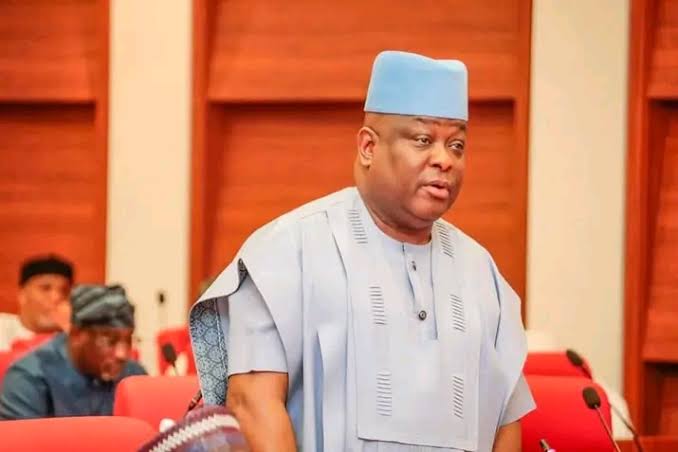
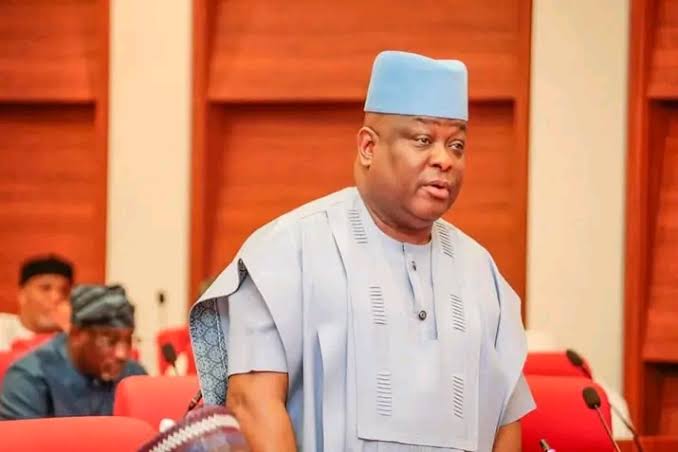
Speaking at a public event in Abuja, Senator Osita Izunaso, Chairman of the Senate Committee on Capital Markets, lamented that political roles have devolved into mere power positions rather than platforms for competent and ethical service. He emphasized that the widespread misconception that holding an official title automatically confers leadership status has contributed significantly to Nigeria’s governance challenges.
Leadership: Beyond Titles and Elections
Addressing an audience of political figures, professionals, and leadership scholars during the launch of Leadership 365: Daily Reflection for Effective Leadership by Dr. Linus Okorie, Izunaso highlighted the absence of structured leadership development in Nigeria. He noted that many individuals ascend to positions of authority without embodying the core values, discipline, and conduct expected of true leaders.
“In Nigeria, we do not cultivate leaders; we merely gather people who then assume leadership roles without the requisite demeanor. Leadership demands a certain way of speaking and behaving because the public is always observing,” the senator remarked.
Leadership Emerges from Character, Not Just Position
Izunaso further clarified that leadership transcends political office and is often demonstrated in everyday life through responsibility and character. He illustrated this by suggesting that among a group of children, natural leaders emerge based on their behavior and influence rather than formal appointment.
“Leadership is not synonymous with holding a high-ranking position. Often, leaders are born or emerge naturally. Observing a classroom of children, the leader will reveal themselves through their actions and demeanor,” he explained.
Guidance for Nigerian Youth: Prioritizing Character Over Quick Wealth
Addressing the younger generation, Senator Izunaso cautioned against the allure of instant wealth and ostentatious lifestyles. He encouraged youths to seek mentorship and develop strong character traits rather than chasing money as the primary measure of success.
“Young people should reject the ‘get rich quick’ mentality. Instead, they should identify role models based on values and integrity, not financial status,” he advised.
Author’s Perspective: Leadership Development as a Pillar of National Progress
Dr. Linus Okorie, author of Leadership 365 and President of the GOTNI Leadership Centre, underscored that technological advancements alone cannot drive national development. He argued that sustainable progress hinges on nurturing leaders who possess vision, courage, and integrity.
“While technology and artificial intelligence are advancing rapidly in the 21st century, nothing surpasses the transformative power of the human spirit when it is properly directed,” Okorie stated.
He pointed out that countries achieving lasting development have consistently invested in leadership cultivation, making it a deliberate and ongoing effort rather than an afterthought.
“The most successful nations are those that prioritize intentional grooming of future leaders. Leadership development is a critical capital that fuels societal advancement,” he added.
Encouraging Daily Reflection for Effective Leadership
The book Leadership 365 aims to inspire individuals to engage in daily self-assessment regarding their leadership roles and responsibilities, regardless of their official status. Dr. Okorie designed the work to empower anyone seeking to make a positive impact within their communities and beyond.
Ongoing Challenges in Nigerian Leadership
Despite these calls for improved leadership standards, Nigeria continues to grapple with governance issues attributed to leaders selected based on wealth, patronage, or loyalty rather than merit and competence. This persistent problem undermines institutional integrity and public confidence in government.
Recent studies indicate that over 60% of Nigerians express dissatisfaction with the quality of political leadership, citing corruption and inefficiency as major concerns. This underscores the urgent need for systemic reforms in leadership training and selection processes.
