
Table of Contents
Nigeria’s Fuel Supply in Focus as Dangote and Regulator Clash Over Petrol Output
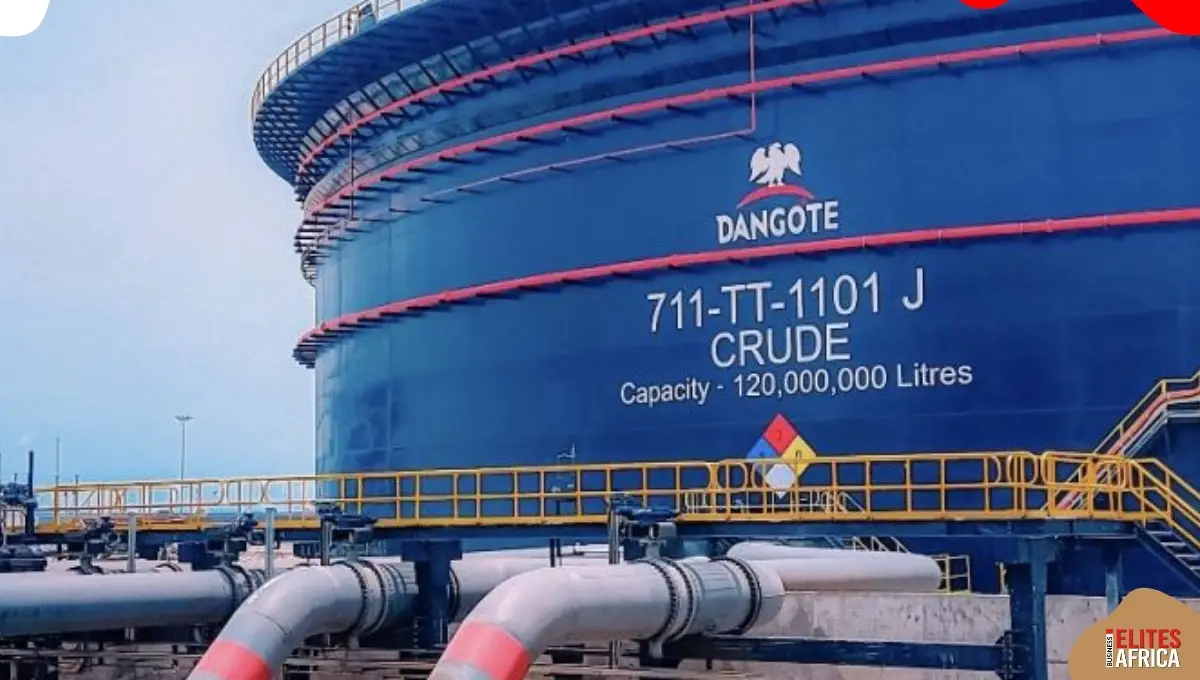
Dangote Projects Higher Local Output
Dangote Refinery says it is positioned to supply roughly 1.5 billion litres of petrol per month in December 2025 and January 2026. From February, output is expected to climb to about 1.7 billion litres monthly, translating to nearly 50 million litres per day.
According to the refinery, these volumes would significantly narrow Nigeria’s fuel supply gap, especially during periods of high demand. Dangote has also invited regulators to physically verify production levels and pledged to publish clearer data on output and inventory to build confidence in its numbers.
Regulator Cites Lower Supply Figures
The downstream regulator, however, has presented a more conservative picture. Officials say verified daily supply from local refining remains below estimated national consumption, suggesting that domestic output alone may not yet be sufficient to meet demand.
This divergence in figures has raised questions about measurement methods, reporting standards and the need for independent verification to align expectations across the market.
Imports Still Part of the Equation
Despite growing local capacity, Nigeria has not completely shut out fuel imports. Private marketers are still expected to bring in refined products when domestic supply falls short, acting as a buffer against shortages.
If Dangote’s higher production targets are consistently achieved, import volumes could decline during the busy travel season, reducing pressure on pump prices and lowering the risk of queues at filling stations.
What It Means for Prices and Businesses
Sustained local supply at higher levels could offer relief to transport operators, logistics companies and fast-moving consumer goods distributors by easing fuel-related cost pressures. It could also help dampen inflation linked to energy and distribution expenses.
On the other hand, if output aligns more closely with the regulator’s lower estimates, fuel prices will remain sensitive to global crude oil movements, shipping costs and foreign exchange availability.
A More Competitive Downstream Market
Beyond volumes alone, the situation highlights a broader shift in Nigeria’s downstream sector toward greater competition and scrutiny. Accurate data, transparency and independent verification are becoming central to pricing decisions and public trust.
For businesses planning ahead, the coming weeks will be critical. Monitoring verified daily supply figures, tracking crude and blending input logistics, and building flexible fuel budgets for Q1 2026 could help manage uncertainty as the market adjusts.
