
Table of Contents
UK Health Secretary Warns NHS Faces Severe Strain From Flu Surge and Doctors’ Strike
“A Double Shock” for the Health System
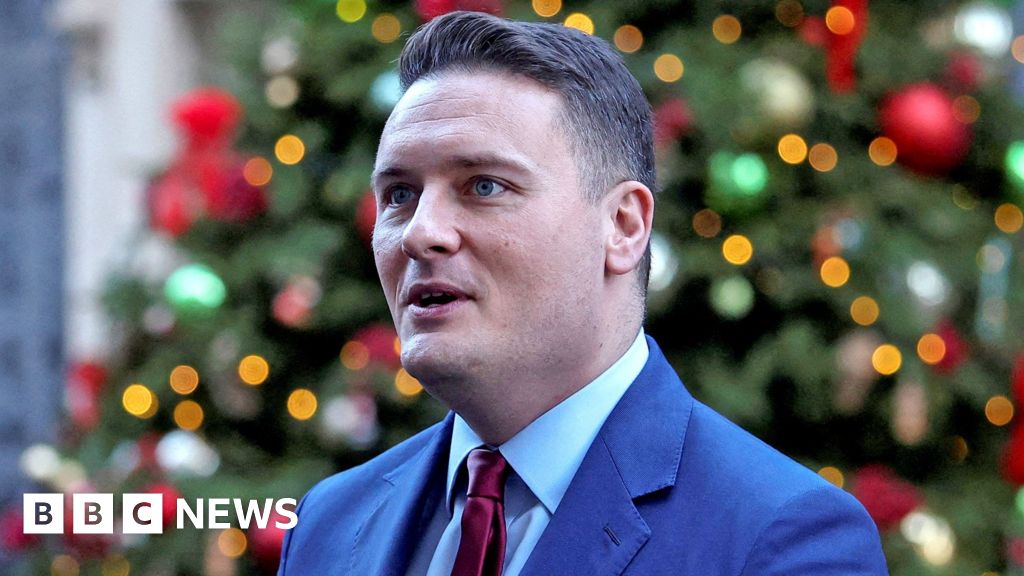
UK Health Secretary Wes Streeting has raised alarm over what he described as a looming “double whammy” for the National Health Service (NHS): a sharp rise in flu cases combined with an imminent strike by resident doctors in England.
Speaking in an interview with LBC, Streeting said the pressure currently facing hospitals is “probably the most intense the NHS has experienced since Covid,” warning that the timing could not be worse.
Hospitals Already Under Heavy Flu Pressure
Latest figures from NHS England show that, in the week ending Sunday, hospitals recorded an average of 2,660 flu patients per day. Officials said this is equivalent to having three large hospitals filled entirely with flu cases.
The number of hospitalised flu patients has jumped by more than 50 percent in just one week, with health leaders warning there are no signs yet that the surge is slowing.
Resident Doctors Set to Strike
Compounding the challenge is a planned five-day strike by resident doctors—formerly known as junior doctors—which is scheduled to begin on December 17.
There is still a possibility the industrial action could be suspended. The British Medical Association (BMA) has agreed to ballot its members on whether to call off the strike, with the outcome expected on Monday.
Streeting questioned why the union had not accepted his proposal to delay the strike until January, suggesting the refusal indicated an intention to apply maximum pressure during an already critical period.
Early and Unusual Flu Season
Health experts say flu arrived earlier than usual this winter and appears particularly widespread due to a mutated strain of the virus. While some have dubbed it “super flu,” specialists stress it is not more severe or harder to treat than previous strains.
The dominant strain this season is H3N2, which has undergone genetic changes. Because many people have not encountered this exact version before, population immunity may be lower—although vaccines remain effective.
Is the NHS Coping?
Chris Streather, NHS medical director for London, said the flu situation remains within manageable limits and insisted hospitals are better prepared for disease outbreaks than before the Covid pandemic.
He cautioned that speculation could unnecessarily heighten public anxiety, adding that while the situation is challenging, it is not beyond control.
Cases Rising Across the UK
Flu hospitalisations are currently at their highest level for this point in the year since records began in 2021. Officials fear numbers could exceed 5,000 hospitalised patients by the weekend.
Elsewhere in the UK, Scotland recorded a nearly 25 percent increase in confirmed cases last week, with hospital admissions up 15 percent. Wales and Northern Ireland are reporting similar trends, particularly among children and young people.
Some schools have temporarily reintroduced Covid-style measures to limit spread, including closures and reduced hours.
Who Is Most at Risk?
Data shows children aged five to 14 currently have the highest flu positivity rates in England. However, the most serious illness is concentrated among adults over 75 and children under five, who account for the highest hospital admission rates.
Calls for Vaccination Ahead of Christmas
Dr Conall Watson of the UK Health Security Agency (UKHSA) urged people eligible for free NHS flu vaccinations—including over-65s, pregnant women, and those with certain health conditions—to get vaccinated as soon as possible.
He noted that it can take up to two weeks after vaccination for full protection to develop, making early action especially important ahead of the festive season.
Criticism Over NHS Capacity
Dr Vicky Price, president of the Society for Acute Medicine, criticised the government and NHS leadership, accusing them of using winter viruses as a “convenient scapegoat” for deeper, long-standing workforce and capacity problems.
She warned that conditions in emergency departments have deteriorated to the point where scenarios once considered critical incidents are now routine, describing the situation as a symptom of systemic failure rather than a short-term crisis.
Doctors Say Pressure Forced Government Response
Earlier in the week, Dr Jack Fletcher, chair of the BMA’s resident doctors committee, said the government’s latest offer was only made because doctors demonstrated their willingness to take action.
While he said the move showed recognition of the scale of the crisis, Fletcher maintained that it failed to address the core issue of restoring doctors’ pay.
A Critical Winter Ahead
With flu cases climbing, staff shortages persisting, and strike action still looming, health leaders warn the coming weeks could prove decisive for the NHS. Whether talks avert industrial action—or hospitals are forced to cope with both crises at once remains to be seen.
