
Table of Contents
New Tax Rules Explained: Who Really Needs a Tax ID to Use a Bank Account in 2026?
Clearing the Confusion Around the 2026 Tax Changes
As Nigeria prepares to implement new tax regulations from January 1, 2026, many citizens have been asking the same pressing question: Will I need a Tax ID before I can use my bank account?
Social media speculation sparked fears that Nigerians without a tax number could suddenly lose access to their bank accounts. To address these concerns, Taiwo Oyedele, Chairman of the Presidential Fiscal Policy and Tax Reforms Committee, has clarified exactly who the rule applies to—and who it does not.
No Income, No Tax ID Required
One of the most important clarifications is this: not everyone needs a Tax ID. According to Oyedele, Nigerians with no source of income are fully exempt and can continue using their bank accounts without any changes.
This exemption applies to:
- Students
- Unemployed individuals
- Dependents
- Anyone without an income source
For these groups, banking access remains untouched—no Tax ID is required now or in 2026.
This Is Not a New Requirement
Oyedele also emphasized that banks have technically been required to request tax identification from taxable individuals since the Finance Act of 2020. The difference now is enforcement.
Under the new Nigeria Tax Administration Act (NTAA), compliance is being streamlined and more closely monitored—but the rule itself is not new.
Who Must Provide a Tax ID?
A Tax ID is required only for taxable persons—that is, individuals or entities earning income through economic activity.
This includes:
- Business owners
- Self-employed individuals
- Freelancers and gig workers
- Anyone earning income from contracts, services, or trade
Simply put: if you earn money, you fall within the taxable category, and your bank may request a Tax ID.
Tax ID vs TIN: What Has Changed?
The government is transitioning to a unified identity system. Under this system, the old Tax Identification Number (TIN) is being replaced by a broader Tax ID.
Going forward:
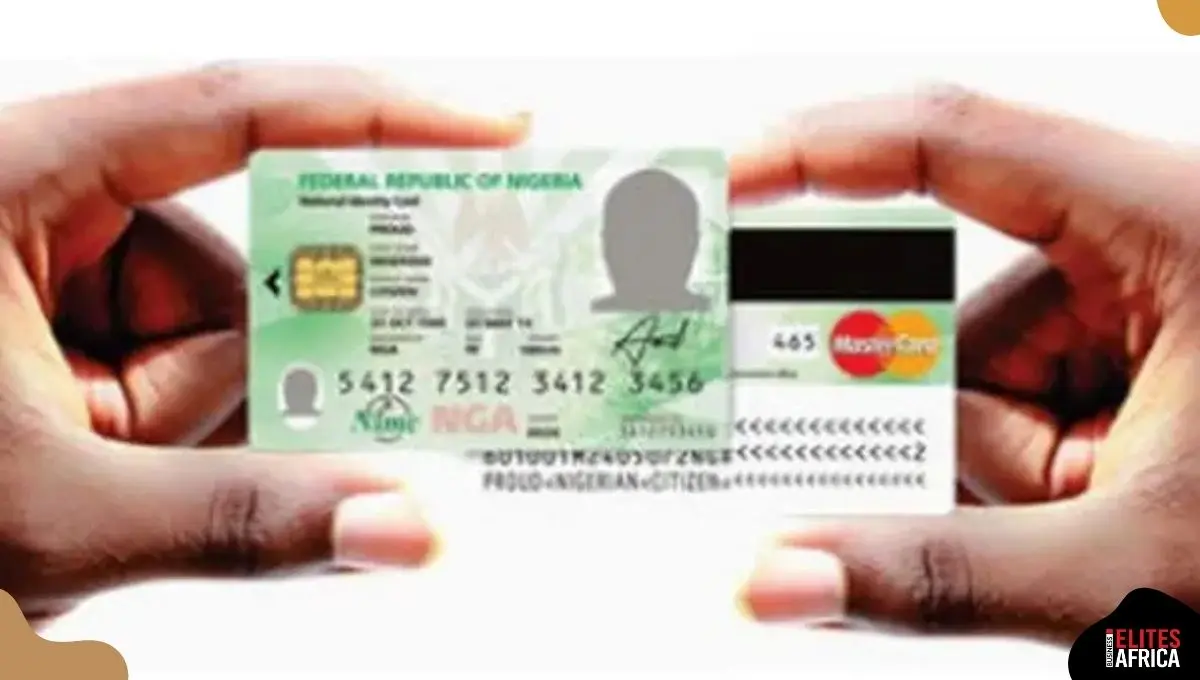
- Your NIN will serve as your Tax ID if you are an individual
- Your CAC registration number will serve as the Tax ID for companies
This change eliminates duplicate registrations and simplifies tax compliance. Importantly, anyone who already has a TIN does not need to apply for a new Tax ID. Existing numbers remain valid.
How to Get a Tax ID (If You Earn Income)
If you are a taxable person and do not already have a Tax ID, registration is straightforward and free.
You can:
- Register online via the Joint Tax Board (JTB) portal
- Visit any FIRS, JTB, or State IRS office
No biometric capture or physical card is required, and existing TINs remain valid. Oyedele strongly warned Nigerians not to pay anyone to process a Tax ID, stressing that the service is completely free.
What Businesses and Companies Should Know
Every business operating in Nigeria is expected to have a Tax ID.
Key points:
- Small or informal businesses may use the owner’s personal Tax ID
- Registered companies, NGOs, and incorporated entities automatically receive a TIN during CAC registration
- Older businesses without a TIN can apply online or through any FIRS office using CAC documents
- Foreign companies earning income from Nigeria must also register
Nigerians in the Diaspora
For Nigerians living abroad, the requirement depends on how their Nigerian bank accounts are used.
If the account:
- Receives income generated from Nigeria → Tax ID may be required
- Is used only for savings or personal transactions → No Tax ID needed
Your Money Is Safe
Addressing public anxiety, Oyedele firmly dismissed claims that the Tax ID system would allow the government to withdraw money from citizens’ bank accounts.
He clarified that no funds can be taken without a court order and due legal process, assuring Nigerians that their savings remain protected.
Why the Government Is Making This Change
According to the Federal Government, the new Tax ID framework is intended to:
- Simplify tax administration
- Close loopholes used to evade taxes
- Protect low-income and exempt Nigerians
- Integrate NIN and CAC numbers as single national identifiers
Oyedele noted that most taxable Nigerians already have TINs under existing laws, making full compliance by 2026 largely achievable.
What Salary Earners Should Remember
Nigerians earning the national minimum wage or less—defined as annual income below ₦800,000—are exempt from personal income tax.
In addition, salaries and wages of military personnel remain completely tax-free.
The Bottom Line
The new Tax ID rules are not designed to punish Nigerians but to modernize tax administration. If you earn income, compliance is required. If you don’t, nothing changes.
For most people, the transition will be smooth—and your bank account remains safe.
