
Table of Contents
Nemo Hands Back Eurovision Trophy Over Israel’s Continued Role in the Contest
A Groundbreaking Winner Makes a Political Statement
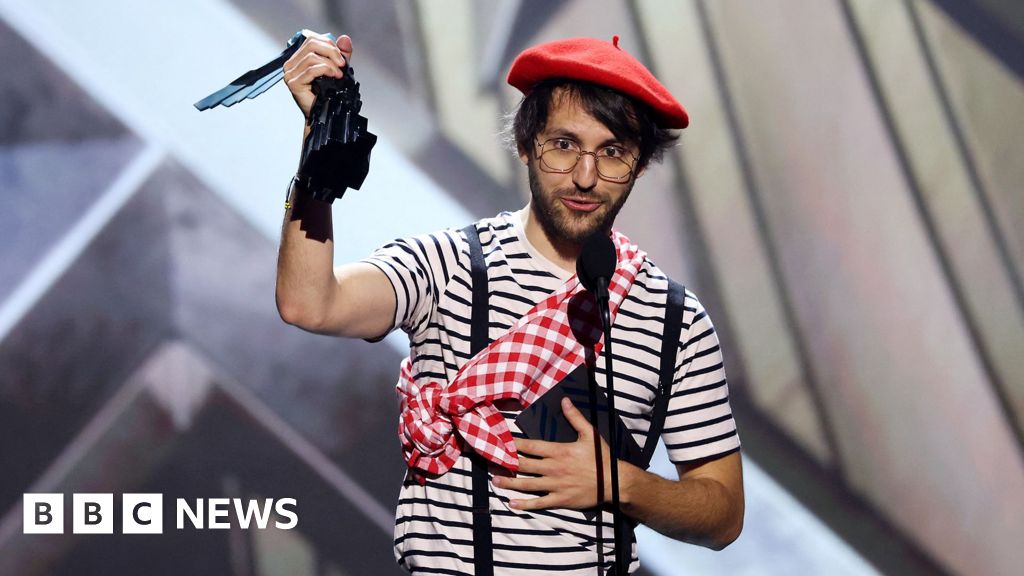
Nemo, the Swiss musician who broke records in 2024 as the first openly non-binary artist to win the Eurovision Song Contest, has announced their decision to return the iconic trophy. The move is a protest against Israel’s ongoing participation in the competition.
According to the 26-year-old artist, the situation presents a deep contradiction between Israel’s inclusion and Eurovision’s long-standing messaging around togetherness, inclusion, and human dignity.
A Decision Rooted in Values
Sharing their thoughts in a statement posted on Instagram, Nemo explained that the European Broadcasting Union (EBU) had taken a direction they could no longer reconcile with the contest’s stated principles.
Citing findings from a UN Independent International Commission of Inquiry published in September, Nemo said Israel’s continued participation during what the commission described as a genocide directly conflicted with Eurovision’s ethical stance.
While expressing appreciation for the support and growth the contest provided, Nemo said the award no longer felt right on their shelf. A video shared alongside the statement showed the trophy being packed into a box, ready to be shipped back to the EBU’s Geneva headquarters.
Organisers React to the Announcement
Eurovision director Martin Green responded by acknowledging Nemo’s position and expressing disappointment over the outcome.
“We are saddened by Nemo’s decision to return the trophy they rightfully earned,” Green said. “We respect their perspective and continue to regard them as an important part of the Eurovision community.”
Israel’s Inclusion Fuels International Backlash
Israel’s role in Eurovision has drawn growing criticism amid the ongoing war in Gaza and controversies surrounding voting practices during the 2025 contest.
In response, Iceland, Spain, Ireland, Slovenia, and the Netherlands have announced plans to boycott the 2026 edition of the competition unless Israel is barred from participating.
Israeli leaders, however, have framed their continued presence in the contest as a triumph over critics. President Isaac Herzog previously praised the decision as a show of solidarity and international cooperation.
The Biggest Crisis in Eurovision’s History
Contest organisers have described the current situation as the most serious challenge Eurovision has ever faced. Beyond boycotts, allegations emerged this year that Israel’s government sought to influence public voting.
These claims led the EBU to tighten competition rules. Following internal reviews, the organisation said most member broadcasters agreed there was no need for a fresh vote on participation, clearing the way for Eurovision 2026 to proceed.
Nemo on Isolation and Artist Welfare
After winning with their song The Code, which chronicles their journey toward embracing a non-binary identity, Nemo previously spoke openly about feeling unsupported during the controversy.
“I felt incredibly alone,” they told the BBC, calling on organisers to do more to protect artists navigating politically charged situations. Their comments helped spark new mental health safeguards for performers and staff.
“Art Without Values Is Empty”
Nemo stressed that returning the trophy was not an attack on fellow contestants or individual artists.
Instead, they warned that Eurovision risked being used to “polish the image of a state accused of serious wrongdoing.” According to Nemo, when multiple countries withdraw, it signals a fundamental problem.
“If the values we celebrate on stage aren’t practised off stage,” they said, “then even the most beautiful performances lose their meaning.”
Uncertainty Ahead for Eurovision’s 70th Anniversary
Eurovision 2026 is scheduled to take place in Vienna and is meant to celebrate the contest’s 70th anniversary. However, mounting protests and national boycotts now hang over what was intended to be a landmark celebration.
As debates around neutrality, ethics, and global politics continue, Nemo’s decision has intensified questions about whether Eurovision can truly remain separate from the world beyond the stage.
