
Table of Contents

The Evolving Role of Fatherhood in Modern Families
Fatherhood remains one of the most challenging and vital roles within any family structure. Being a father today means more than just providing financial support; it involves active engagement with both children and partners. The traditional image of the father as the sole breadwinner has shifted dramatically over recent decades. In contemporary households, responsibilities are often shared between spouses, yet the father’s influence and involvement continue to be crucial topics of discussion.
How Childhood Experiences Shape Parenting Styles
People’s upbringing varies widely, with fathers who may be strict disciplinarians, easygoing companions, consistently present, or sometimes absent. These diverse paternal models profoundly impact how individuals approach their own parenting. For example, some men strive to be more emotionally available to their children because they experienced absence in their own childhoods, while others may unconsciously mirror the parenting methods they grew up with. Since the home environment is the primary learning ground before formal education begins, children often internalize both positive and negative traits from their fathers, which can influence their future relationships and parenting approaches.
Insights from the MENtality With Ebuka Podcast: Redefining Fatherhood
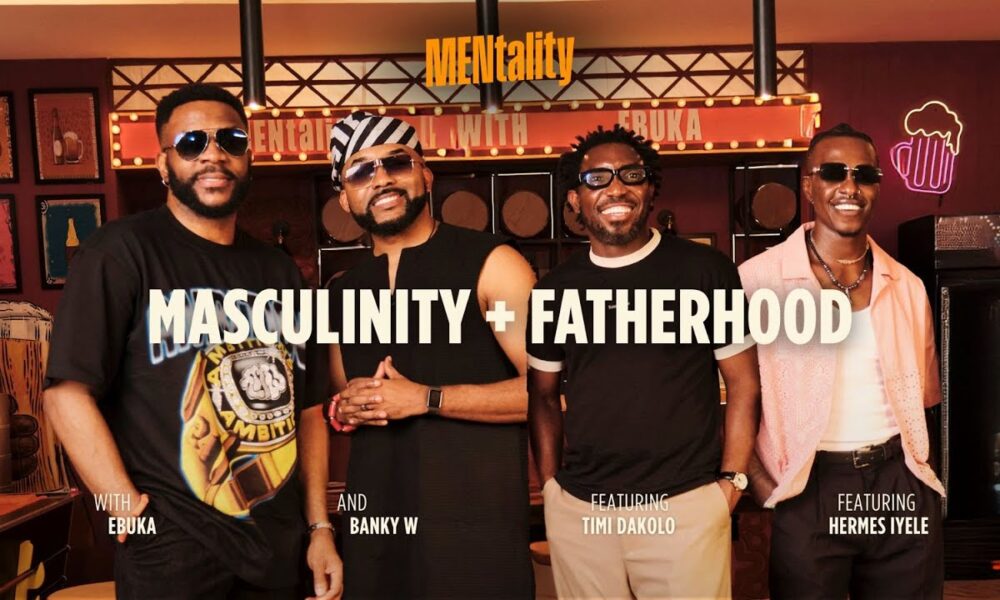
In the fifth installment of the popular podcast MENtality With Ebuka, hosts Ebuka Obi-Uchendu and Banky W engage in a candid conversation with guests Hermes Iyele and Timi Dakolo about the contemporary meaning of fatherhood. Ebuka reflects on his own upbringing, describing a father who balanced conservatism with freedom, allowing him to make his own choices-such as participating in Big Brother Naija in 2006-without opposition.
Ebuka’s experience represents one model of fatherhood where autonomy is encouraged within a framework of traditional expectations. In contrast, Hermes Iyele shares his unique perspective as someone raised solely by his father, who fulfilled both parental roles. Hermes emphasizes that fatherhood transcends mere physical presence, stating, “If being present is only about being physically there, then a man is at a disadvantage.” This highlights the emotional and psychological dimensions of fatherhood that are often overlooked.
Broadening the Conversation: Diverse Perspectives on Fatherhood
What makes this episode of MENtality particularly compelling is its inclusive guest lineup. While the discussion centers on fatherhood, the panel includes three fathers and one polyamorous individual, enriching the dialogue with varied viewpoints. For instance, when Ebuka mentions, “I have some of the best conversations with my kids,” Timi Dakolo responds thoughtfully, “If you don’t talk to your children, someone else will.” This exchange underscores the importance of intentional communication in parenting.
Banky W further expands on this by asserting that fatherhood “is not just biological, it’s intentional.” This perspective challenges conventional definitions and encourages men to actively choose how they engage with their children, regardless of biology.
Reflecting on Fatherhood: Questions Every Dad Should Ask
This episode invites fathers and soon-to-be fathers to contemplate critical questions: How will your approach to raising children differ from your own father’s? What does it truly mean to be a father in today’s world, where emotional support and presence are as vital as financial provision?
For those interested in exploring these themes further, the full conversation is available to watch below.
