
Table of Contents
Proactive Health Measures Shield Vulnerable Populations in Flood-Prone Adamawa State
In the flood-vulnerable region of Adamawa State, located in north-eastern Nigeria, early health interventions during the 2025 rainy season played a crucial role in safeguarding thousands from outbreaks of preventable diseases. This proactive approach was spearheaded by the Adamawa State Ministry of Health (SMOH) in collaboration with the World Health Organization (WHO), targeting seven local government areas identified as high-risk: Yola South, Yola North, Numan, Girei, Lamurde, Fufore, and Demsa.
Pre-Flood Deployment of Health Services
With financial backing from the United Nations Central Emergency Response Fund (CERF) and the Government and People of Japan, health teams were strategically positioned before the peak flooding period. The initiative aimed to curb the spread of malaria, cholera, and other diseases commonly associated with floods, while maintaining essential healthcare services for displaced and vulnerable groups.
Community Outreach Before Disaster Strikes
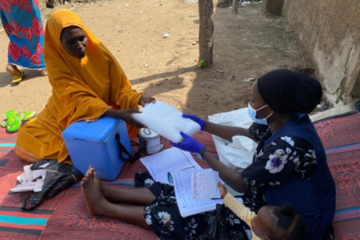
In Yola South’s Fadde Gassol area, 25-year-old expectant mother Aisha Bello benefited from a mobile health unit supported by WHO and CERF. She received a long-lasting insecticidal net (LLIN), malaria prevention treatment, and antenatal care.
“The health workers arrived before the flooding worsened,” Aisha shared. “This early support helped me stay healthy and prepared for a safe delivery.” Her story exemplifies the positive impact of timely health interventions across the flood-affected communities.
Comprehensive Health Services Amidst Flood Disruptions
As floodwaters cut off access to many settlements, integrated health services were delivered, encompassing malaria and acute watery diarrhoea (AWD) treatment, maternal and child healthcare, routine immunizations, nutrition assessments, mental health counseling, hygiene education, and referrals for gender-based violence support.
- 5,000 LLINs distributed to households at high risk of malaria transmission.
- 3,000 pregnant women received antenatal care, with many provided intermittent preventive malaria treatment.
- Establishment of three Oral Rehydration Points (ORPs) and three Cholera Treatment Centres (CTCs) to enable swift cholera response.
- Disinfection of 250 sanitation facilities and chlorination of key water sources to minimize cholera spread.
- Thousands reached with cholera prevention and hygiene promotion messages.
- Provision of WASH dignity kits to hundreds of displaced families to support safe sanitation and hygiene.
Fatima Musa, a frontline health worker, recounted, “We navigated flooded routes to reach communities that hadn’t seen medical personnel in weeks. Despite the challenges, the people welcomed us and trusted our assistance.”
Enhancing Emergency Preparedness at the State Level
WHO’s support extended to bolstering Adamawa State’s emergency readiness, particularly for cholera outbreaks, through several key measures:
- Stockpiling emergency medical supplies in strategic locations.
- Conducting specialized training sessions for frontline health workers.
- Improving disease surveillance and early warning systems to detect outbreaks promptly.
- Facilitating coordination via the Adamawa State Public Health Emergency Operations Centre (PHEOC).
Dr. Abdulhakeem Yusuf, WHO’s Adamawa State Coordinator, emphasized, “Thanks to CERF and Japan’s support, we acted before the crisis escalated, preventing outbreaks and alleviating suffering, especially among women and children.”
Effective Multi-Agency Coordination Through PHEOC
The Adamawa State PHEOC served as the central hub for coordinating flood preparedness and response efforts, uniting key stakeholders such as WHO, OCHA, UNFPA, SEMA, the Nigerian Red Cross Society, Médecins Sans Frontières (MSF), and local humanitarian groups.
Momsiri Wesley Biyama, Head of OCHA’s Adamawa Sub-Office, noted, “Robust coordination enabled us to act swiftly and extend our reach before needs intensified.”
Huzaifatu Mohammed, Secretary of the Nigerian Red Cross Society’s Adamawa Branch, added, “Our volunteers braved challenging terrain alongside health teams. The PHEOC’s coordination ensured that services reached isolated communities that would otherwise have been inaccessible.”
Building Resilience for Future Flood Seasons
Despite these achievements, the increasing frequency of floods-exacerbated by climate change-continues to threaten public health in Adamawa State. To sustain and expand the benefits of early interventions, further investments are essential in anticipatory action, enhanced disease surveillance, improved water, sanitation, and hygiene (WASH) infrastructure, and outreach to remote populations.
WHO, the Adamawa State Government, and partners remain dedicated to scaling up these initiatives ahead of upcoming rainy seasons, aiming to protect lives and fortify community resilience against future flood-related health emergencies.
