
Table of Contents
The Central Bank of Nigeria (CBN) has officially confirmed that 16 financial institutions have fulfilled the recapitalisation criteria ahead of the March 31, 2026 deadline.
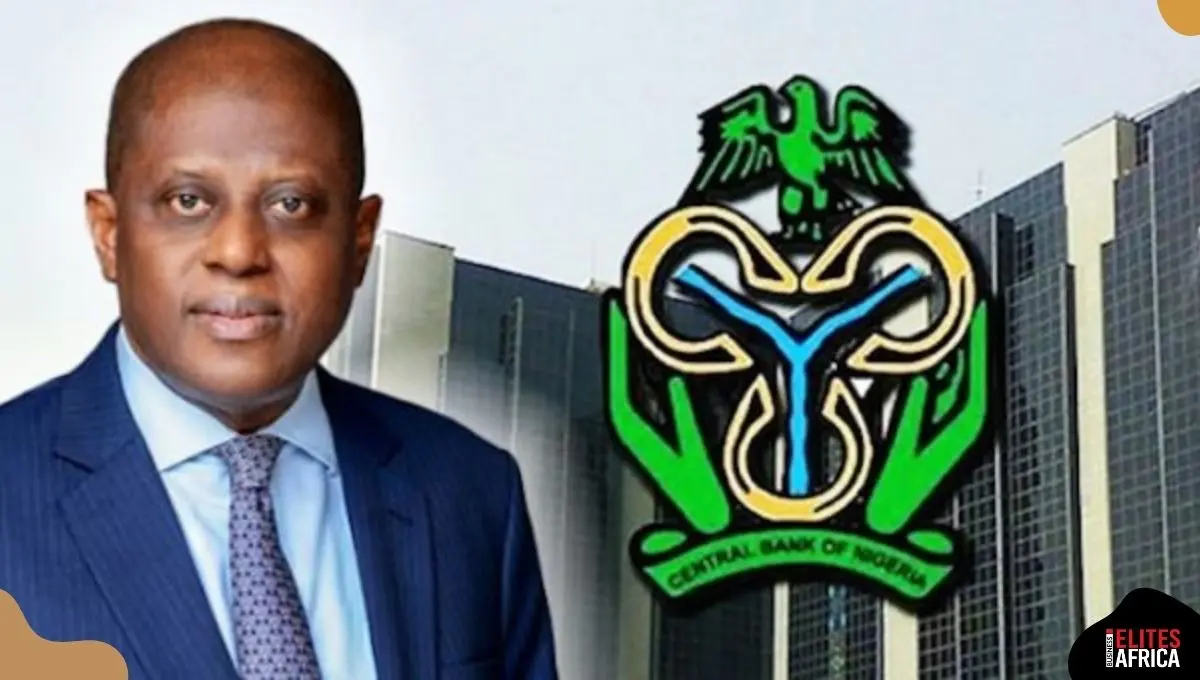
This update was shared by CBN Governor Olayemi Cardoso during a press briefing following the 303rd Monetary Policy Committee (MPC) meeting held in Abuja on Tuesday, November 25, 2025.
Successful Bank Recapitalisation: Key Players and Strategies
Governor Cardoso highlighted that these banks showcased financial robustness by securing the necessary capital through diverse channels such as equity offerings, bond sales, and private equity placements.
A significant development was the strategic merger between Union Bank and Titan Trust Bank, which collectively met the stipulated capital threshold.
The institutions that have achieved the recapitalisation benchmark include Access Holdings, Zenith Bank, GTBank (GTCO), Ecobank, Stanbic IBTC, Wema Bank, Providus Bank, Globus Bank, Premium Trust Bank, Greenwich Merchant Bank, Jaiz Bank, Lotus Bank, Polaris Bank, Unity Bank, Fidelity Bank, and the merged entity of Union Bank and Titan Trust Bank.
Ongoing Oversight and Encouragement for Remaining Banks
Governor Cardoso assured that the CBN is vigilantly overseeing the progress of the remaining 27 banks still working towards meeting the capital requirements. He urged these institutions to persist with their capital-raising initiatives to ensure timely compliance.
The prompt adherence by these 16 banks is viewed as a promising indicator for Nigeria’s banking sector, fostering a more resilient and competitive financial landscape. This development is expected to enhance customer confidence, expand credit availability, and support Nigeria’s ambitious goal of achieving a $1 trillion economy.
Monetary Policy: Stability Amid Inflation Trends
In the same MPC meeting, Governor Cardoso announced that the Monetary Policy Rate (MPR) will be maintained at 27 percent. The asymmetric corridor was adjusted to +50 and -450 basis points, while the Cash Reserve Ratio (CRR) remains at 45 percent and the liquidity ratio at 30 percent.
This decision was influenced by a notable reduction in inflation, which eased from 18.02 percent in September to 16.05 percent in October 2025, signaling a gradual stabilization of price levels.
Strengthening the Naira and Boosting External Reserves
The Governor also reported positive developments in Nigeria’s foreign exchange market, with the disparity between official and parallel market exchange rates shrinking dramatically to 2 percent from a previous gap of approximately 60 percent.
Nigeria’s external reserves have increased to $46.7 billion, reflecting enhanced economic resilience and improved fiscal management.
Exiting the FATF Grey List: Implications for Nigeria’s Financial Sector
Governor Cardoso celebrated Nigeria’s removal from the Financial Action Task Force (FATF) Grey List, attributing this success to effective collaboration among key agencies including the CBN, Nigerian Financial Intelligence Unit (NFIU), Securities and Exchange Commission (SEC), Economic and Financial Crimes Commission (EFCC), and the Ministry of Finance.
This milestone is expected to attract greater foreign direct investment, strengthen correspondent banking relationships, and reduce the cost of remittances, thereby enhancing Nigeria’s integration into the global financial system.
Conclusion: A More Robust Nigerian Banking Landscape
The CBN’s proactive recapitalisation efforts and vigilant supervision underscore its dedication to building a more stable and competitive banking sector. These measures are crucial for navigating the complexities of the current economic environment and positioning Nigeria for sustainable growth.
