

Table of Contents
 Understanding Ubuntu: A Pan-African Philosophy of Humanity
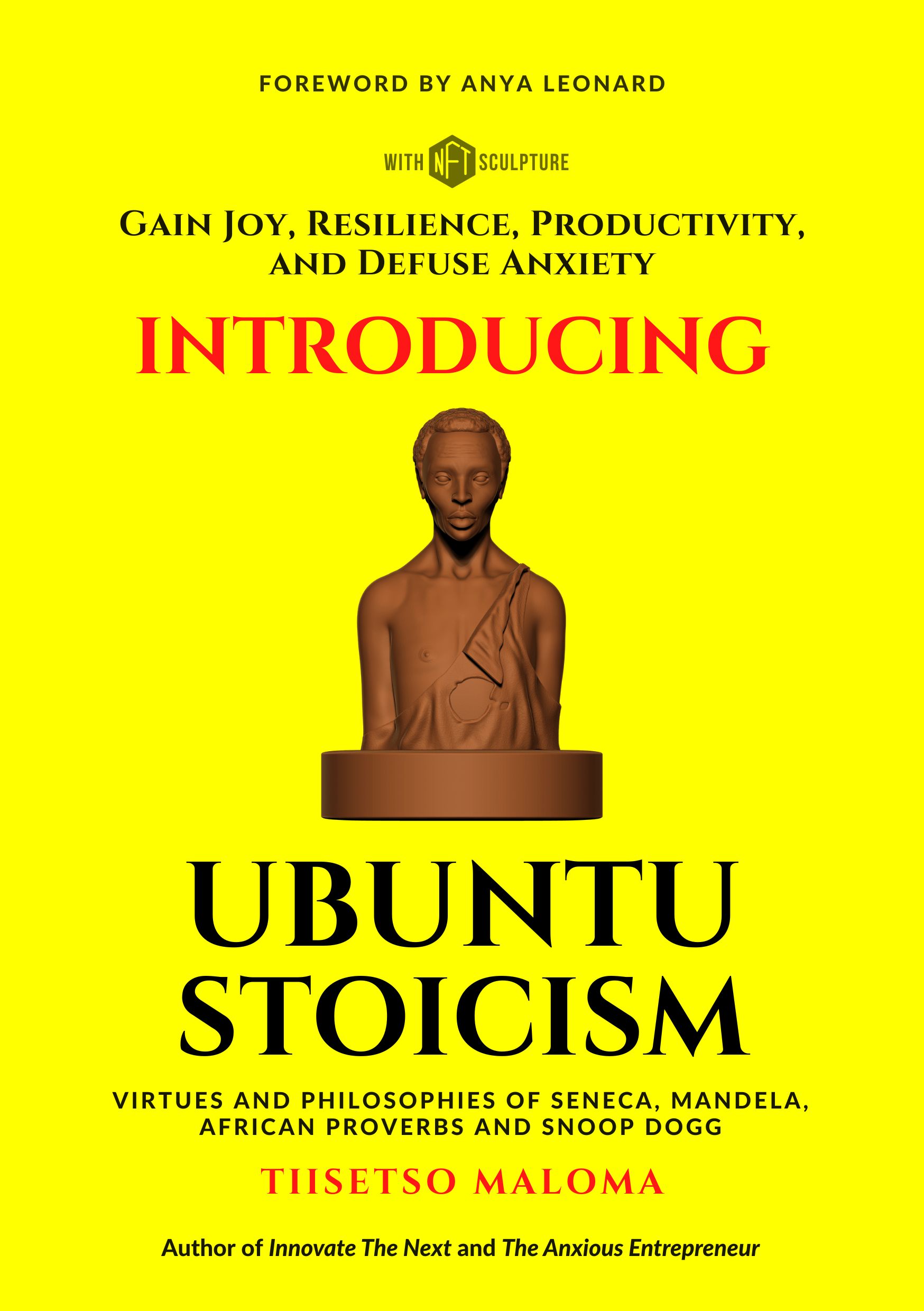 Understanding Ubuntu: A Pan-African Philosophy of Humanity
Ubuntu is a profound concept rooted in the values of humility and shared humanity, originating from the Nguni and Bantu peoples of Africa. This philosophy emphasizes the interconnectedness of individuals within a community, reflecting a collective spirit that transcends individualism.
Ubuntu Across African Languages and Cultures
The word Ubuntu is most commonly associated with the Xhosa and Zulu languages of South Africa, but its essence resonates widely across the continent. In Rwanda, it appears as Ubuntu in Kinyarwanda and Kirundi. Among the Sesotho, Sepedi, and Setswana speakers, it is known as Botho. In Zimbabwe’s Shona language, the equivalent is Unhu, while Namibia’s Herero people use Omundu. The Kongo language in the Democratic Republic of Congo refers to it as Kimutu. These linguistic parallels highlight a shared cultural heritage that spans Central, West, and Southern Africa.
The Bantu Expansion and Linguistic Connections
Scholars trace the widespread presence of these related terms to the Bantu Expansion, a major migratory movement that began approximately 5,000 years ago (circa 3000 BC). Proto-Bantu-speaking communities migrated from West-Central Africa into Sub-Saharan regions, assimilating or displacing indigenous hunter-gatherer and pastoralist groups. This migration facilitated the evolution and adaptation of languages and cultural practices, including the concept of Ubuntu, across diverse environments and societies.
While some aspects of this theory remain debated, the linguistic similarities among Bantu languages provide compelling evidence of a shared origin and cultural diffusion. This interconnectedness is a testament to the dynamic nature of African civilizations and their philosophies.
Ubuntu: Beyond Language to a Universal Ethos
Ubuntu transcends mere linguistic boundaries; it embodies a universal principle of humanity and mutual respect. This philosophy is deeply embedded in African proverbs and traditions, encapsulating values such as compassion, unity, and moral integrity. The core idea is beautifully expressed as “I am because we are,” underscoring the belief that individual well-being is intrinsically linked to the welfare of the community.
In practical terms, Ubuntu calls for personal accountability and ethical conduct, recognizing that the strength of a society depends on the virtues of its members. This principle inspires individuals to act responsibly, fostering a culture of empathy and collective progress, especially influencing younger generations.
Ubuntu and Stoicism: A Personal Reflection
My personal journey with Ubuntu is intertwined with my appreciation for Stoicism. Both philosophies emphasize self-discipline, resilience, and ethical living. Through Stoicism, I have come to embrace Ubuntu not just as a concept but as a lived practice-striving to embody its values daily despite human imperfections. This ongoing effort reflects a shared human experience of growth and striving for betterment.
The Rise of Ubuntu as a Philosophical Framework
Ubuntu gained prominence as a philosophical and political ideology during the mid-20th century. South African writer Jordan Kush Ngubane played a pivotal role in popularizing Ubuntu through his contributions to Drum Magazine in the 1950s. The philosophy was framed as a form of African humanism, resonating strongly in both South Africa and Zimbabwe.
In 1980, Zimbabwean historian Stanlake J. W. T. Samkange further developed Ubuntu into a political philosophy in his seminal work, Hunhuism or Ubuntuism: A Zimbabwe Indigenous Political Philosophy. This publication articulated Ubuntu as a guiding principle for the newly independent Zimbabwe, advocating for a society grounded in communal values and ethical governance.
Ubuntu’s Global Influence Post-Apartheid
The concept of Ubuntu gained international recognition during South Africa’s transition from apartheid to democracy in the early 1990s. Under Nelson Mandela‘s leadership as the first democratically elected president in 1994, Ubuntu became a symbol of reconciliation, healing, and nation-building. It emphasized restorative justice over retribution, fostering unity in a deeply divided society.
Today, Ubuntu’s influence extends far beyond Africa. It serves as a foundational ideal in various domains including politics, peacebuilding, humanitarian efforts, and academic research. Its principles continue to inspire global conversations about community, ethics, and shared humanity.
