
Table of Contents
Malcolm Priorrural affairs producer

Escalating Rural Crime: A Growing Threat to Farming Communities
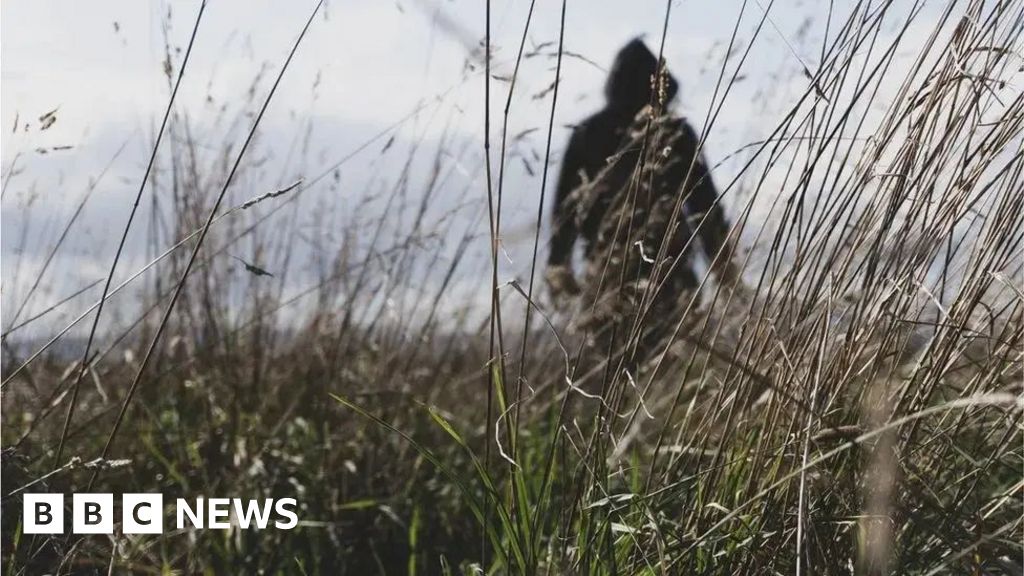
In the early months of this year, an audacious group clad in black and wearing balaclavas descended upon a secluded farmhouse in County Durham, where an elderly couple in their eighties were asleep. The intruders had clearly surveilled the property beforehand, pinpointing valuable GPS units installed on agricultural machinery-specifically, a combine harvester-that could be illicitly exported overseas.
This incident is emblematic of a surge in sophisticated rural criminal activity, with law enforcement authorities describing the perpetrators as increasingly bold and organized.
National Strategy to Combat Organised Rural Crime
The National Police Chiefs’ Council (NPCC) recently unveiled a comprehensive three-year initiative aimed at dismantling over 20 active criminal networks operating within rural regions. This government-backed strategy is hailed as a crucial advancement in addressing the unique challenges posed by countryside crime.
So far in 2024, police have arrested more than 155 individuals connected to these rural gangs and confiscated stolen farm equipment valued at nearly £13 million. Notably, some of the recovered items were traced back to locations in Eastern Europe, underscoring the international dimension of this illicit trade.
The National Farmers’ Union (NFU) has emphasized the urgent need for enhanced support from specialized rural policing units, highlighting that farmers have endured persistent targeting of their machinery, livestock, and land.
Personal Impact: The Maughan Family’s Ordeal
William Maughan, who manages a mixed farm with beef, poultry, and arable production in County Durham, shared his experience of being victimized alongside three neighboring farms in a single coordinated attack. His elderly parents, residing on the property, were unaware of the break-in as the thieves surgically removed GPS devices from multiple vehicles, including his combine harvester.
Mr. Maughan recounted to the BBC, “The operation was highly precise. They knew exactly which equipment to extract and how to access the farmyard where the combine was stored. It’s unsettling to realize the level of planning involved and to wonder if we might be targeted again.”
Since the incident, the family has invested in upgraded security systems to safeguard their assets. “Living in tranquil south Durham, it’s shocking to be caught up in what appears to be an international criminal enterprise,” he added.
Data Insights: Trends in Rural Crime and Theft
According to the latest NFU Mutual rural crime report 2025, the overall financial impact of rural crime in the UK dropped by 16.5% year-on-year, totaling £44.1 million in 2024. However, this decline masks regional disparities, with Wales experiencing a notable increase.
Interestingly, tractor thefts bucked the downward trend, rising by 17% to £1.5 million in losses, indicating a shift toward more targeted and high-value equipment thefts by criminals.
The Country Land and Business Association (CLA), representing rural landowners and enterprises, voiced frustration over the persistent threat posed by violent and organized gangs, calling for stronger measures to protect rural livelihoods.
Enhanced Policing and Future Measures
The NPCC’s newly launched rural and wildlife crime strategy outlines a data-driven approach, leveraging intelligence gathering, crime mapping, and analytics to pinpoint hotspots and deploy resources effectively against organized crime groups.
A spokesperson for the NPCC highlighted the increasing sophistication and intimidation tactics employed by these gangs, necessitating a coordinated and forceful law enforcement response.
Beyond machinery theft, the strategy prioritizes tackling eight additional rural crime categories, including livestock theft and harassment, illegal hunting and poaching, and offenses against protected wildlife species such as badgers, bats, and birds of prey.
Rachel Hallos, vice-president of the NFU, praised the strategy as a vital acknowledgment of the serious and organized nature of rural crime but stressed that effective implementation is essential. “Farmers require visible policing, rapid recovery of stolen goods, and sentencing that deters repeat offenders,” she stated.
Sarah Jones, the Minister for Crime and Policing, underscored the devastating impact rural crime has on farming families and rural communities. She affirmed that the new strategy represents a significant step toward safer rural areas, complemented by enhanced police powers to confront organized criminal gangs targeting agriculture.
The minister also promised increased police presence in countryside areas to reassure and protect residents.

Stay informed with our essential daily briefing covering the latest headlines. Subscribe here.
