
Table of Contents
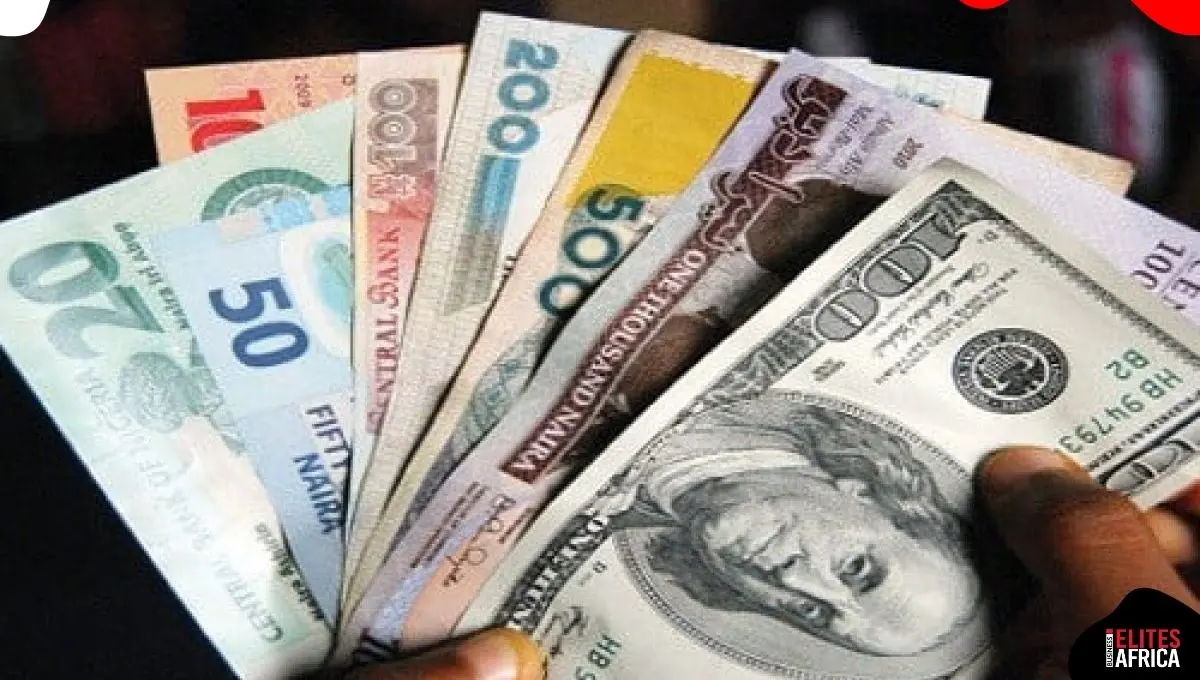
The Central Bank of Nigeria (CBN) has recently injected $50 million into the foreign exchange market through authorised dealer banks, aiming to alleviate the mounting strain on the naira. This move comes as demand for the US dollar intensifies, exerting renewed downward pressure on the local currency.
Persistent Volatility Despite Repeated Interventions
This latest dollar sale is part of a series of similar interventions by the CBN within the past six months. The apex bank has consistently deployed this strategy-selling foreign currency to increase liquidity and temper exchange rate fluctuations. However, despite these efforts, the naira continues to experience significant instability.
Market Dynamics Driving Naira Fluctuations
Over the past week, the naira has exhibited sharp swings, trading between N1,447/$ and N1,460/$. These fluctuations underscore the fragile state of the foreign exchange market, even after a brief period of relative calm earlier in the month. The surge in dollar demand is largely attributed to increased international payments and import activities, which have intensified pressure on the local currency.
To mitigate this, the CBN utilised its “willing buyer, willing seller” framework, distributing $50 million to key dealer banks. This mechanism allows for more flexible rate negotiations between buyers and sellers while ensuring the central bank supports market liquidity.
Understanding the Rationale Behind the CBN’s Dollar Intervention
Market analysts had noted a recent reduction in the CBN’s aggressive forex interventions, coinciding with a modest strengthening of the naira. However, the sudden uptick in dollar demand compelled the central bank to resume its active role in stabilising the currency.
Earlier in June 2025, the CBN executed a similar $50 million sale to prominent banks such as UBA, Access Bank, and Zenith Bank when the naira faced persistent depreciation. While that action temporarily steadied the market, the underlying volatility soon resurfaced.
The central bank’s primary objective remains to augment dollar availability in the market, preventing demand from overwhelming supply. An increased dollar supply typically helps moderate exchange rate pressures.
Ongoing Exchange Rate Fluctuations Challenge Economic Planning
Despite the recent dollar infusion, the naira continues to display a “rise-and-fall” pattern. For instance, it opened at N1,447.70/$ on Monday but slipped to N1,455/$ by Wednesday, briefly touching N1,460/$ during intraday trading.
Such volatility complicates financial planning for businesses and consumers alike, particularly those dependent on imports or cross-border transactions.
Financial experts had forecasted the naira might strengthen to a range of N1,400-N1,450 per dollar by year-end. However, ongoing instability and repeated CBN interventions suggest these projections may need revision.
Record-High Foreign Reserves Amidst Naira Weakness
Paradoxically, the naira’s current challenges coincide with Nigeria’s foreign reserves reaching a seven-year peak. CBN Governor Yemi Cardoso recently highlighted that reserves now cover over 10 months of import requirements, signaling improved economic resilience.
Governor Cardoso attributed earlier naira gains to stronger oil export revenues, enhanced market liquidity, and targeted policy measures designed to stabilise the currency. Nonetheless, the forex market remains highly sensitive to shifts in dollar demand, sustaining exchange rate volatility.
Looking Ahead: Prospects for Naira Stability
The fresh $50 million dollar injection is expected to provide short-term relief to the naira. However, the sustainability of this stability is uncertain given the demand-driven nature of Nigeria’s forex market. Any surge in dollar demand could quickly erode gains.
For the foreseeable future, the CBN appears committed to a dual approach: deploying tactical market interventions while pursuing comprehensive reforms aimed at bolstering the naira’s long-term stability.
