
Table of Contents
Living with Drug-Resistant HIV: A Personal Journey and Global Challenge
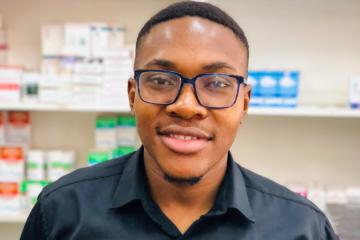
“When I was first told the medicines I depended on were no longer effective, I was overwhelmed with fear. At such a young age, I wondered what options I had left,” recalls Brandon Jaka, a 26-year-old pharmacist from Harare.
Brandon’s Story: From Diagnosis to Drug Resistance
Brandon was born HIV-positive and has relied on antiretroviral therapy (ART) since childhood to keep the virus under control. Starting treatment at just eight years old, he diligently followed medical advice and maintained a strict regimen to manage his health. For many years, this approach was successful, allowing him to live a relatively normal life.
However, in 2017, during a routine check-up while still in high school, Brandon’s viral load unexpectedly surged. Initially, healthcare providers suspected non-compliance with his medication, but Brandon had been consistent. The reality was more alarming: his body had developed resistance to the antiretroviral drugs that had kept the virus suppressed for years.
“After numerous tests and consultations, the doctors confirmed I had drug-resistant HIV,” Brandon explains. “It was a devastating diagnosis that affected me physically, emotionally, and mentally.”
Understanding Antimicrobial Resistance and Its Impact
Drug resistance arises when microorganisms-such as viruses, bacteria, fungi, or parasites-mutate and no longer respond to treatments that were once effective. This phenomenon, known as antimicrobial resistance (AMR), poses a significant threat to global health. In sub-Saharan Africa, where healthcare infrastructure faces many challenges, AMR contributes to high rates of illness and mortality.
According to recent data, antimicrobial resistance was linked to approximately 4.7 million deaths worldwide in 2021, with over 1.14 million deaths directly caused by bacterial resistance. Sub-Saharan Africa continues to bear a disproportionate share of this burden due to limited access to diagnostics and effective treatments.
Adapting Treatment and Finding Hope
Following his diagnosis, Brandon’s medical team transitioned him to a second-line antiretroviral regimen. These treatments are often more complex and costly but are designed to combat resistant strains of HIV. Although the adjustment period was challenging, within months Brandon’s health began to improve, and his viral load became undetectable once again.
“It took less than a year for my health to stabilize after switching treatments. I realized I had been given a second chance,” he reflects.
From Patient to Advocate: Raising Awareness on Responsible Medicine Use
Brandon’s personal experience inspired him to become an advocate for antimicrobial stewardship. As a pharmacist, he now dedicates his career to educating communities about the dangers of drug resistance and the importance of proper medication adherence. His outreach efforts include public speaking engagements, digital awareness campaigns, and mentorship programs targeting young people living with chronic illnesses.
“My mission is to save lives by promoting responsible use of medicines and protecting the treatments that saved me,” Brandon emphasizes.
Global and Local Efforts to Combat AMR
Brandon is a member of the World Health Organization’s Task Force on Antimicrobial Resistance Survivors, a group that amplifies the voices of individuals affected by drug-resistant infections. This task force plays a crucial role in shaping global policies and narratives around AMR.
The WHO actively supports initiatives to curb inappropriate antimicrobial use through public education, improved hygiene practices, vaccination campaigns, and innovative strategies such as engaging schoolchildren as AMR ambassadors. Digital platforms are increasingly leveraged to spread awareness and encourage responsible behaviors.
In Zimbabwe, progress has been made in HIV treatment access, yet drug resistance remains a pressing concern. Health officials continue to stress the importance of adhering to prescribed therapies and discourage self-medication or sharing of medications, which can accelerate resistance development.
The Urgency of Addressing Antimicrobial Resistance
Globally, AMR is responsible for over one million deaths annually, with projections indicating a sharp increase if decisive action is not taken. In resource-limited settings, the lack of diagnostic tools and treatment monitoring exacerbates the spread of resistant infections.
“Everyone has a role in combating AMR-by using antimicrobials responsibly and trusting healthcare professionals,” Brandon advises. “We must safeguard the medicines that protect us.”
