
Table of Contents
UK Launches Largest Prostate Cancer Screening Study in Decades
By Fergus Walsh, Medical Editor
 MRI machine” loading=”eager” />
Groundbreaking £42 Million Trial Aims to Revolutionize Prostate Cancer Detection
The UK has initiated a landmark prostate cancer screening study, the largest in decades, designed to identify the most effective methods for early detection of this prevalent disease. Invitations have begun to be sent by general practitioners to eligible men, marking the start of a significant recruitment phase.
Funded by Prostate Cancer UK alongside the National Institute for Health and Care Research (NIHR), the £42 million Transform trial seeks to transform how prostate cancer is diagnosed, potentially saving thousands of lives annually.
Professor Hashim Ahmed, the lead investigator, emphasized the trial’s potential impact: “This study represents a pivotal moment in prostate cancer research. Our goal is to develop safer, more precise diagnostic tools that could unlock the full potential of screening programs across the UK.”
Target Group and Participation Details
The trial focuses on men aged 50 to 74, with a lowered starting age of 45 for Black men, who statistically face nearly double the risk of developing and succumbing to prostate cancer compared to their white counterparts. Participation is by invitation only, and while men cannot self-enroll, Prostate Cancer UK strongly encourages those contacted to take part.
Innovative Diagnostic Approaches Under Evaluation
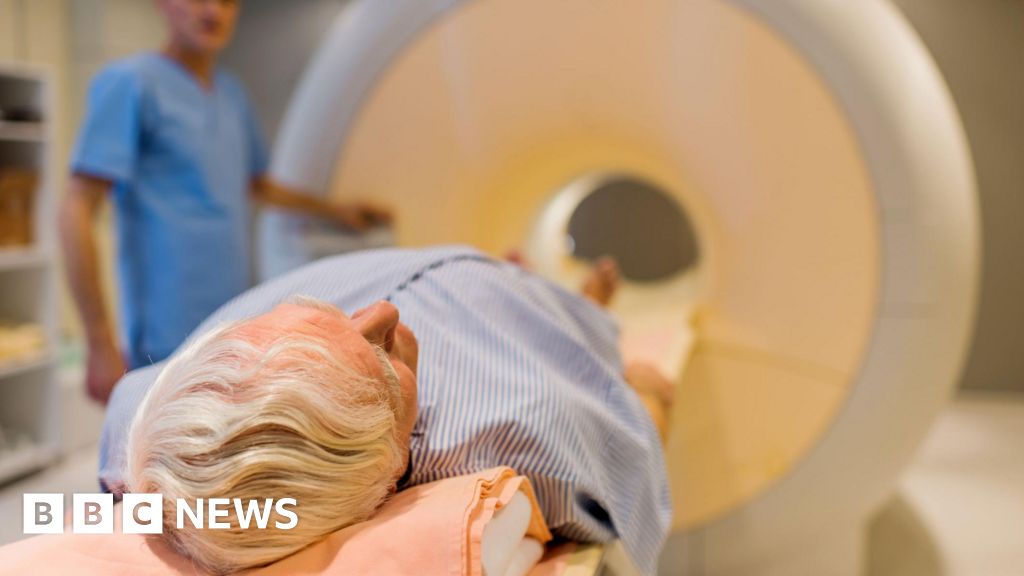
Transform will assess the effectiveness of combining rapid magnetic resonance imaging (MRI) scans with prostate-specific antigen (PSA) blood tests to enhance diagnostic accuracy. Currently, PSA testing is available on request for men over 50 but is known for its limitations-often detecting indolent cancers that may never require treatment, while missing aggressive forms.
In addition to PSA and MRI, the trial will explore the utility of saliva-based DNA tests as a potentially more reliable biomarker for prostate cancer detection.
Matthew Hobbs, Research Director at Prostate Cancer UK, highlighted the shortcomings of existing diagnostic methods: “Many men are diagnosed too late, missing the window for curative treatment, while others endure unnecessary side effects like incontinence and impotence from treatments they might not have needed. Our aim is to minimize these harms through better screening.”
Personal Stories Highlight Urgency for Screening

Danny Burkey, a 60-year-old former teacher from West Yorkshire, was diagnosed with advanced prostate cancer that had spread to his bones. Reflecting on his experience, he believes that routine screening starting at age 50 could have detected his cancer earlier, potentially saving his life.
“Implementing a national screening program would be transformative,” Danny said. “If we want to prevent the premature deaths of 12,000 men each year, this is the clear path forward.”
Next Steps and Future Outlook
The launch of the Transform trial coincides with an upcoming decision from the UK’s National Screening Committee (NSC), which advises the NHS on screening policies. Historically, the NSC has been cautious, citing concerns that the risks of prostate cancer screening might outweigh the benefits.
Preliminary findings from the trial are expected within two years. Depending on these results, the study could expand to include up to 300,000 men nationwide, potentially reshaping prostate cancer screening protocols in the UK.
With prostate cancer remaining the most commonly diagnosed cancer among men in the UK, this trial represents a critical step toward improving early detection and reducing mortality rates.
