
Table of Contents
Sir Keir Starmer Addresses the Struggles of Young Men in a Candid Letter
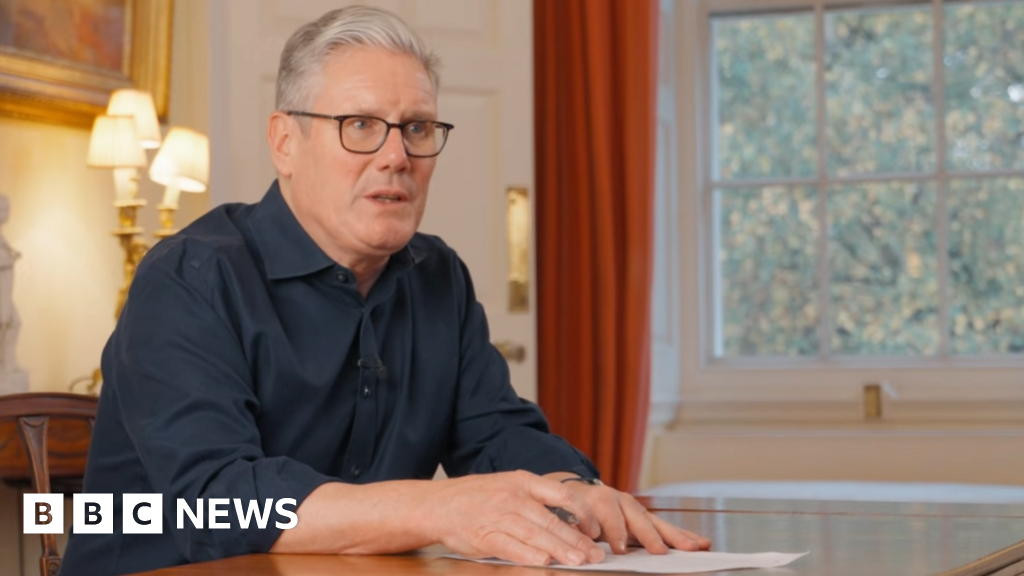
In a deeply personal letter to his 17-year-old son, Sir Keir Starmer opened up about the unique challenges that young men face in modern society. Commemorating International Men’s Day, the Prime Minister stressed the critical need for honest conversations about mental health, reflecting on his own distant relationship with his father, with whom he “never really spoke.”
This heartfelt message aligns with the UK government’s recent launch of England’s first-ever men’s health strategy. This ambitious initiative aims to tackle pressing issues disproportionately impacting men, such as suicide, substance abuse, and gambling addiction.
Reflections on Fatherhood and Emotional Well-being
Starmer shared intimate insights into how his upbringing, marked by emotional distance from his own father, has shaped his approach to parenting. He described spending quality time with his son as “one of the highlights of my week,” emphasizing the importance of nurturing open communication and emotional support within families.
He praised his son’s development into a “confident, kind, and remarkable young man,” expressing a strong commitment to fostering a supportive family environment despite the personal sacrifices his role demands. Starmer acknowledged the toll his political career has taken on his family life but reaffirmed his dedication to building a better future for younger generations.
Media’s Role in Shaping Perceptions of Young Men
In his letter, the Prime Minister referenced watching the Netflix documentary Adolescence with his son-a series that delves into the life of a 13-year-old involved in a violent incident. This viewing experience deepened his understanding of the complex pressures young men face today. Following this, Starmer engaged with the series’ creators at Downing Street to discuss the influence of harmful online content and the importance of responsible media portrayal.
Government Measures to Enhance Men’s Health Outcomes
The men’s health strategy includes a £3.6 million investment over three years dedicated to suicide prevention programs, particularly targeting middle-aged men in high-risk communities. This focus is vital, as men represent nearly 75% of all suicides in the UK, with suicide remaining a leading cause of death among men under 50.
In a novel partnership, the government has collaborated with the Premier League to embed mental health awareness campaigns within football matches and fan communities, leveraging the sport’s widespread popularity to reach men nationwide.
Statistics from the Department of Health reveal that men are less likely than women to seek medical assistance and are more prone to engage in hazardous behaviors such as smoking, excessive alcohol consumption, gambling, and drug use. To combat these trends, the strategy proposes introducing a levy on betting companies and piloting workplace health programs in male-dominated sectors to reduce fatalities linked to cocaine and alcohol misuse.
Political Landscape and Mental Health Advocacy
During the recent Prime Minister’s Questions session, Sir Keir used International Men’s Day to commend Labour MP Luke Charters for publicly sharing his mental health struggles following a traumatic childbirth experience. Starmer highlighted how such openness can inspire others to speak out and seek help.
Nevertheless, the session was largely dominated by political friction surrounding the forthcoming Budget. Conservative leader Kemi Badenoch criticized the government’s fiscal policies amid reports of internal cabinet disputes and speculation about leadership challenges.
Starmer has denied allegations of orchestrating negative briefings against colleagues, including Health Secretary Wes Streeting, amidst rumors of internal party tensions.
