

Table of Contents
From Discovery to Global Fashion: The Journey of Kílẹ̀tár
How a Chance Encounter Sparked a Fashion Revolution
Michelle Adepoju never envisioned a career in fashion until 2018, when she found herself navigating the streets of Burkina Faso in search of fabric production hubs. Armed with a translator in a country where English was not spoken, she approached a local vendor near her residence. This man kindly offered to accompany her on a city-wide search, and after an hour-long drive, they uncovered a traditional weaving workshop.
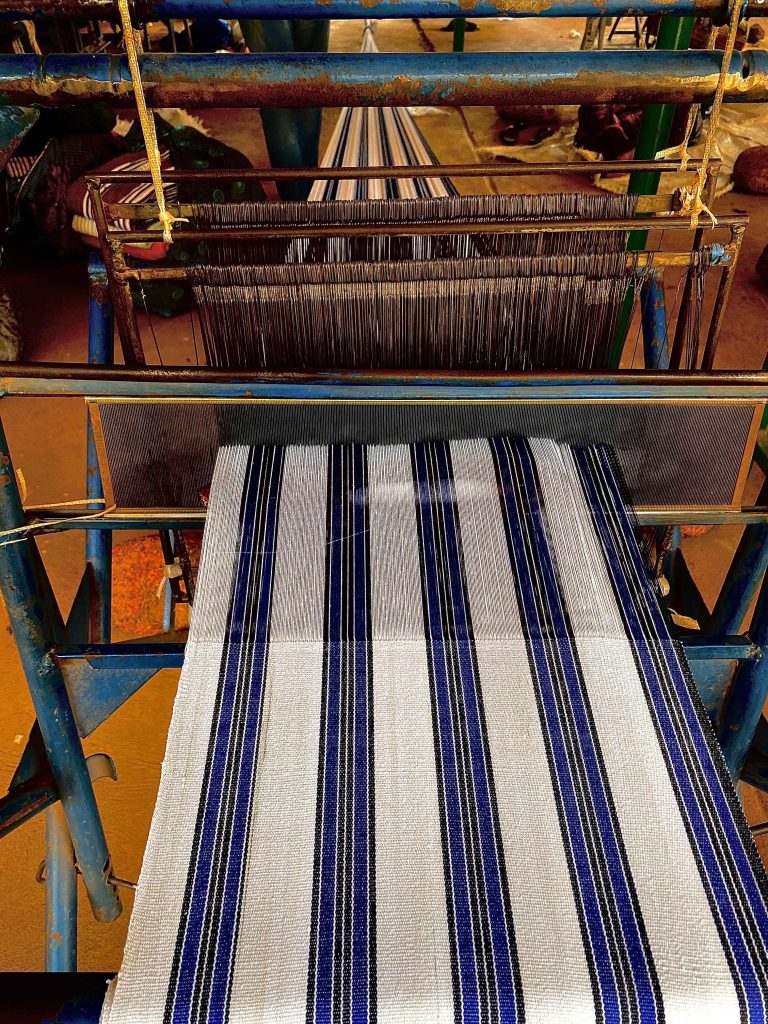
The moment left a lasting impression on Adepoju. “As I stepped inside, the rhythmic hum of looms filled the air on my left, while vibrant fabrics hung to dry on my right. It was an instant realization,” she recalls. This experience planted the seed for Kílẹ̀tár, a women’s clothing brand that has since gained international acclaim.
From Marketplace Concept to Pan-African Fashion Brand
Initially conceived as a marketplace for African goods, Kílẹ̀tár-meaning “what are you selling?” in Yoruba-has evolved into a global fashion label. It showcases garments crafted entirely by local artisans across West Africa, celebrating the continent’s rich cultural heritage on the world stage.
However, creating a fashion brand that relies exclusively on African-sourced materials and production presents unique challenges. Adepoju’s dedication to a pan-African supply chain highlights both the continent’s abundant craftsmanship and the infrastructural gaps that complicate intra-African trade.

Tracing the Fabric’s Journey Across West Africa
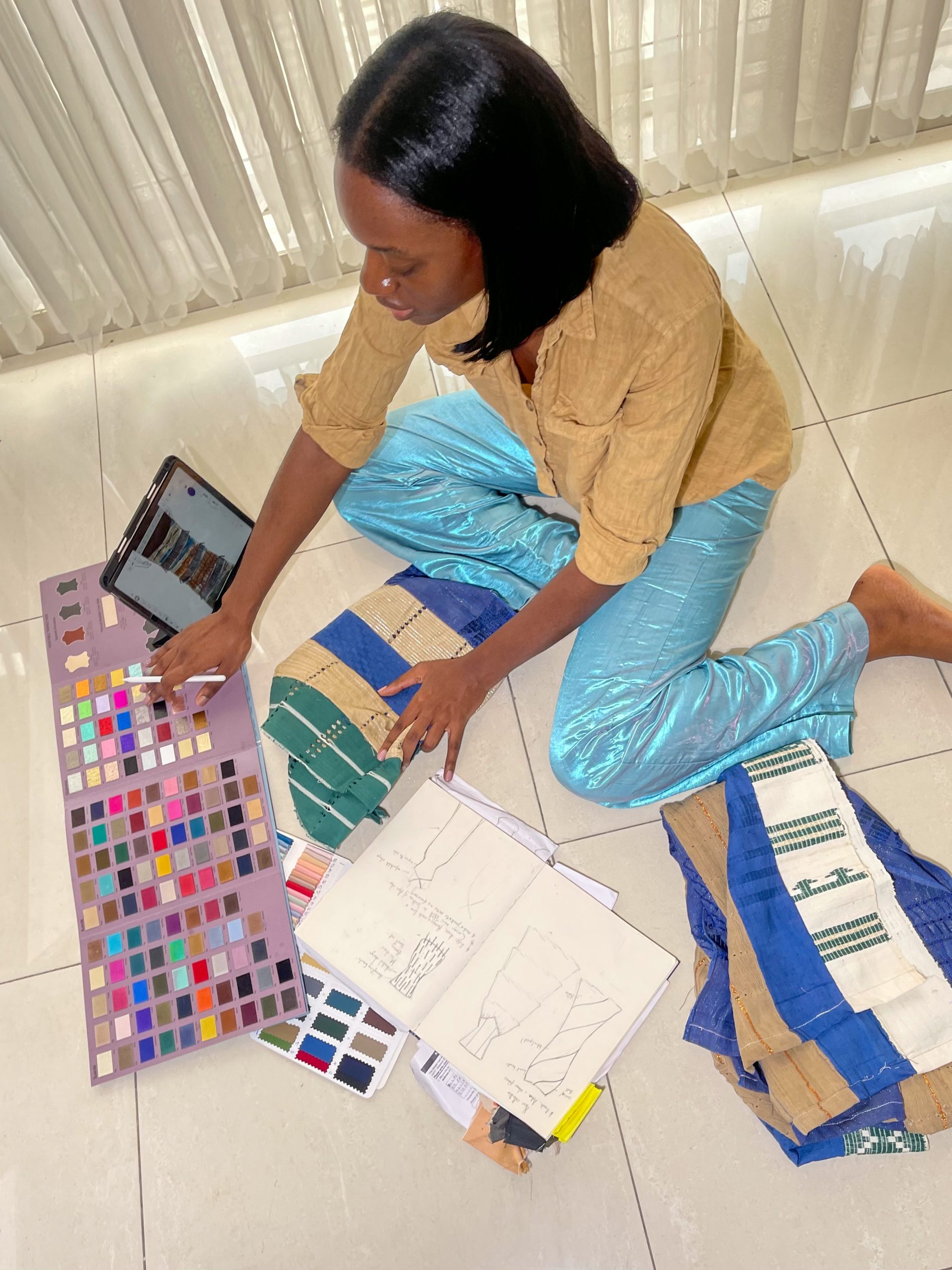
Every Kílẹ̀tár garment-whether woven from raffia, dyed cotton, or adorned with shells-embodies a journey through West Africa, spanning Burkina Faso, Côte d’Ivoire, Senegal, and Nigeria. Adepoju meticulously curates each piece, emphasizing the fabric as the cornerstone of her designs. “I personally design all our handwoven textiles, which are exclusively produced in-house by Kílẹ̀tár,” she explains. Even the cotton used is cultivated within Africa.
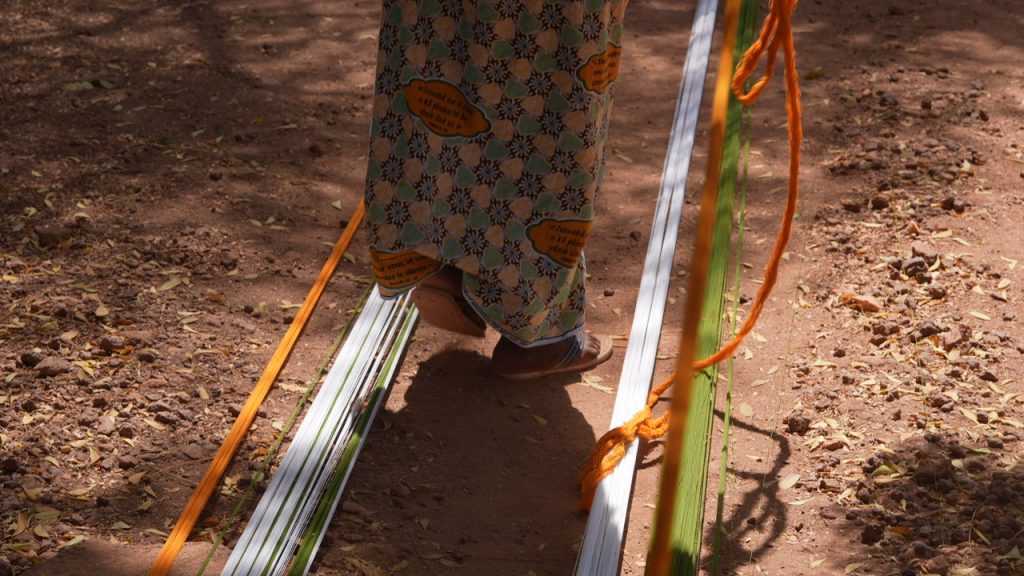
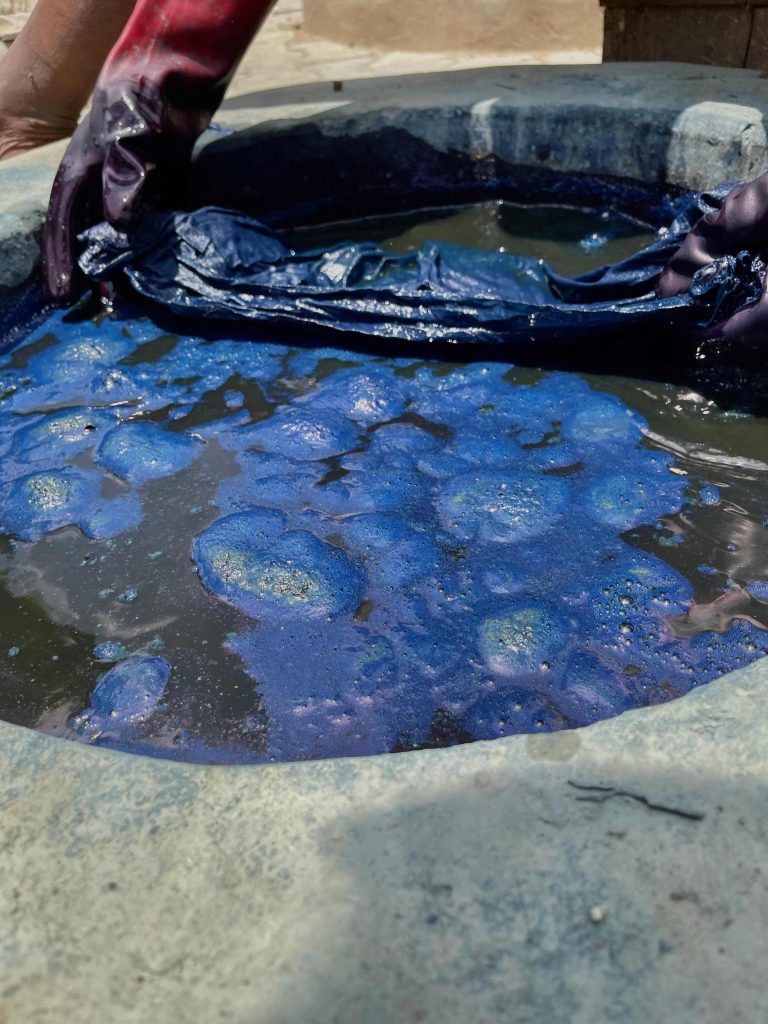
Historically, Burkina Faso was the leading cotton producer and exporter in Africa, a title now held by Mali. The cotton undergoes a detailed process: harvested, spun into yarn, dyed, and then woven into fabric by skilled artisans, particularly in Burkina Faso and Nigeria.
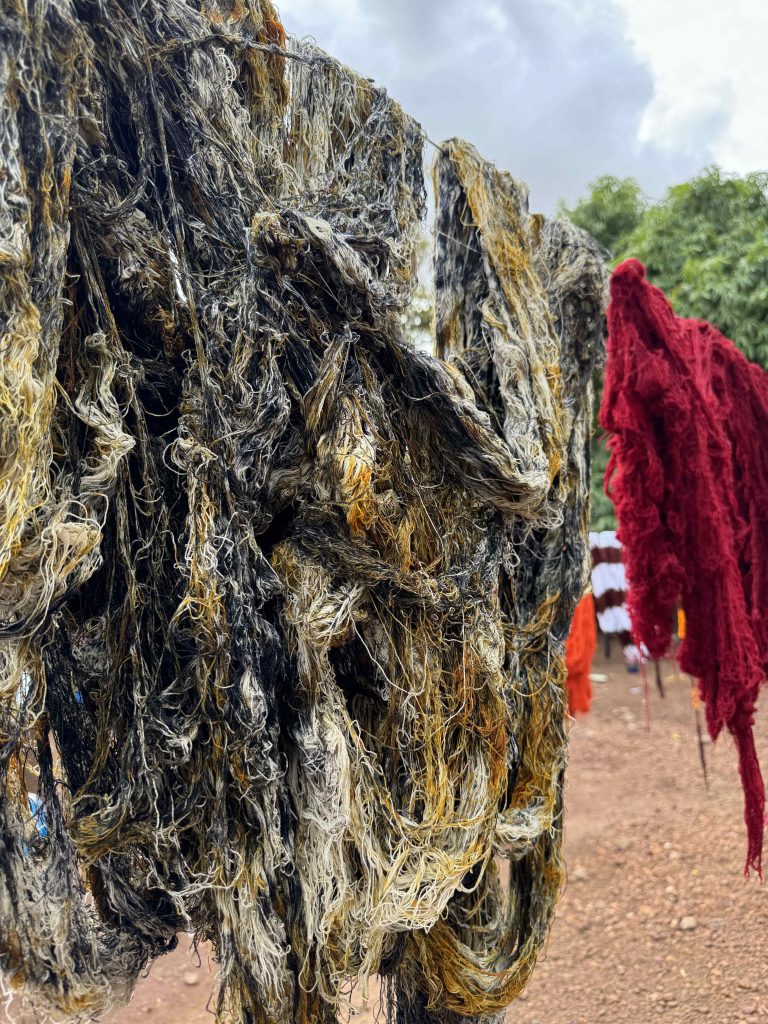
Once dyed, the threads are set on looms to be woven into fabric. Regardless of where the fabric originates-be it Burkina Faso or Senegal-it is transported to Nigeria for final garment production. Adepoju notes, “The fabric must come to Nigeria because that’s where the final pieces are crafted.”
Overcoming Supply Chain and Trade Barriers
Despite the rich artisanal heritage, navigating the logistics of raw materials across multiple countries is complex. Diverse regulations and informal trade routes create significant obstacles for Kílẹ̀tár’s supply chain.
According to Mordor Intelligence, Africa’s cotton market is expanding rapidly, with a projected compound annual growth rate (CAGR) of 5.6% through 2030. In 2024, the Better Cotton Initiative launched efforts to enhance sustainability and supply chain efficiency in West and Central Africa, including mapping and assessments to strengthen the cotton-to-textile value chain.
Nevertheless, gaps in supply and distribution persist. To mitigate these challenges, Adepoju personally travels across the continent to source materials, ensuring they reach Nigeria for production.
Logistical Hurdles in Pan-African Trade
Logistics remains a formidable challenge. Adepoju alternates between air and land transport to move raw materials to Nigeria. On a recent trip, she noted that airfare costs had tripled. With no direct flights between Lagos and Burkina Faso, a journey that should take three hours extends to eight hours with multiple connections. “We’re still exploring the most efficient ways to streamline our supply chain,” she admits.
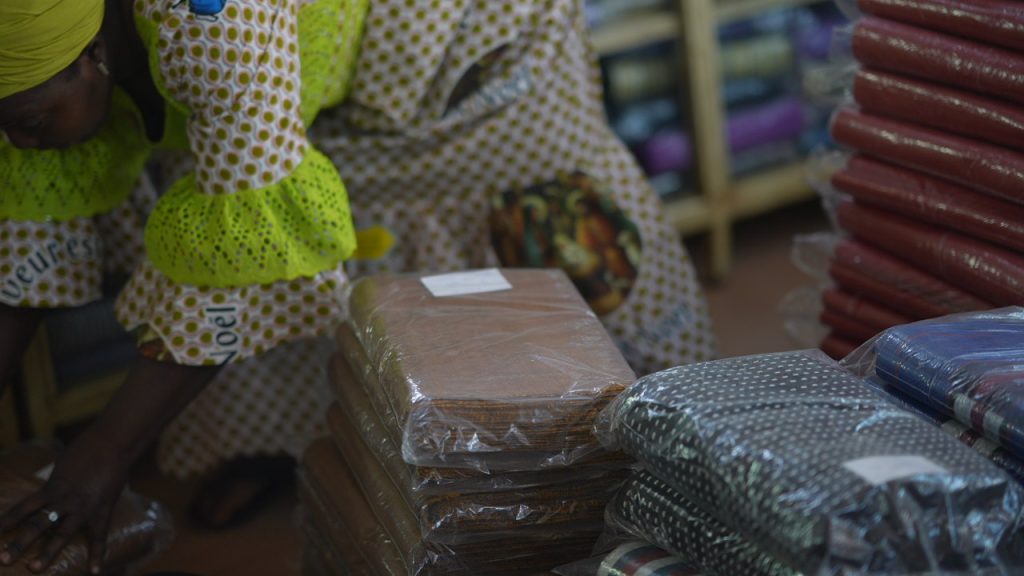
Air shipments also incur costly border clearance fees. While the African Continental Free Trade Area (AfCFTA) aims to facilitate smoother trade by reducing tariffs and streamlining customs, implementation remains inconsistent, particularly in Nigeria, where Kílẹ̀tár’s production is based.
In July, Nigeria’s Federal Ministry of Industry, Trade, and Investment completed a five-year review of its AfCFTA Phase I implementation, identifying logistical bottlenecks and policy misalignments that hinder trade efficiency.
The 2023 World Bank Logistics Performance Index rated Nigeria 2.6 out of 5, with Burkina Faso close behind at 2.3. West Africa’s logistics performance generally aligns with the continental average, trailing behind Southern Africa, where countries like South Africa (3.7) and Botswana (3.1) lead in trade infrastructure and customs efficiency.
North Africa also performs well, with Egypt scoring 3.1 and Algeria 2.5. East Africa’s scores vary, with Rwanda at 2.8 and Namibia at 2.9, while Central Africa lags behind, contributing to regional disparities in trade facilitation.
According to Nima Yussuf, COO of Silverbacks Holdings, in the 2025 Future of Commerce report, “Private capital is addressing infrastructure gaps but is hindered by fragmented regulations. AfCFTA offers a high-level solution, but success depends on digitizing and harmonizing trade policies, including customs and digital ID standardization. Until then, cross-border expansion remains costly and manual, limiting pan-African scalability.”
Platforms like Sabi are bridging procurement and logistics gaps for African minerals by connecting global buyers with verified producers, enhancing traceability and market access. This model presents a promising blueprint for developing similar supply chain solutions in textiles and other commodities.
Due to these infrastructural shortcomings, Adepoju often acts as her own logistics coordinator-a reality shared by many African entrepreneurs managing cross-border operations.
Championing Ethical Production and Sustainability
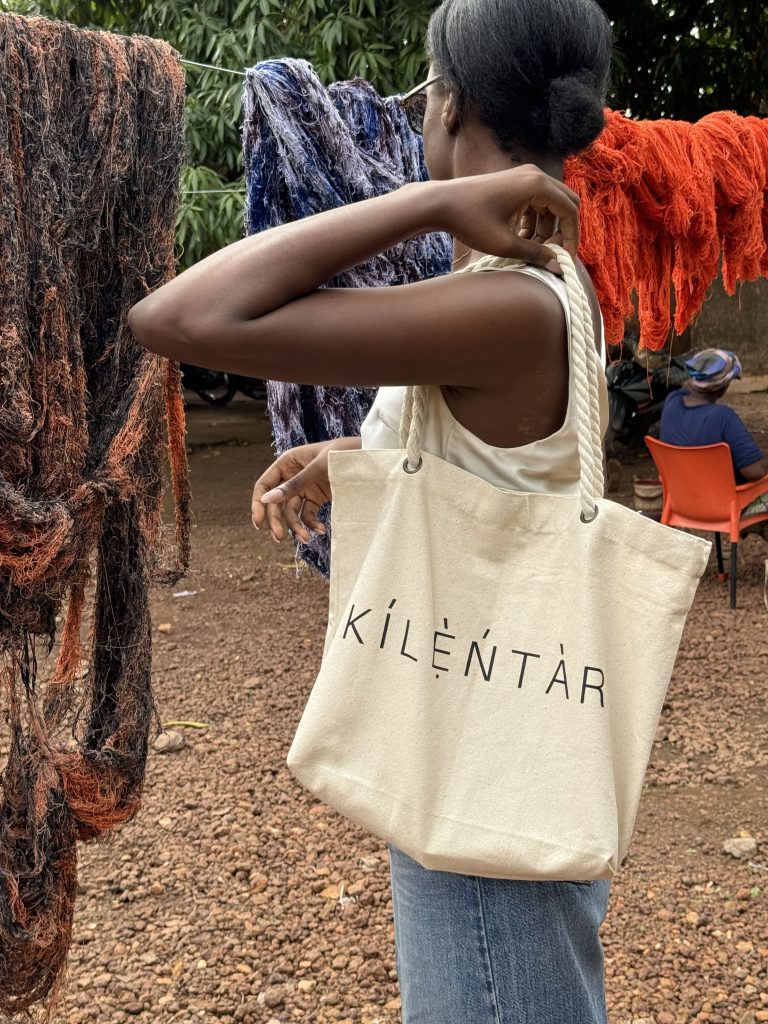
Kílẹ̀tár’s dedication to sustainability extends beyond sourcing to encompass ethical production practices. Adepoju prioritizes natural dyes with low toxicity and enforces rigorous quality control, which naturally limits production volume but ensures environmental responsibility.
“Our process is meticulous, allowing us to create fewer, more intentional prototypes and minimize waste,” she explains.
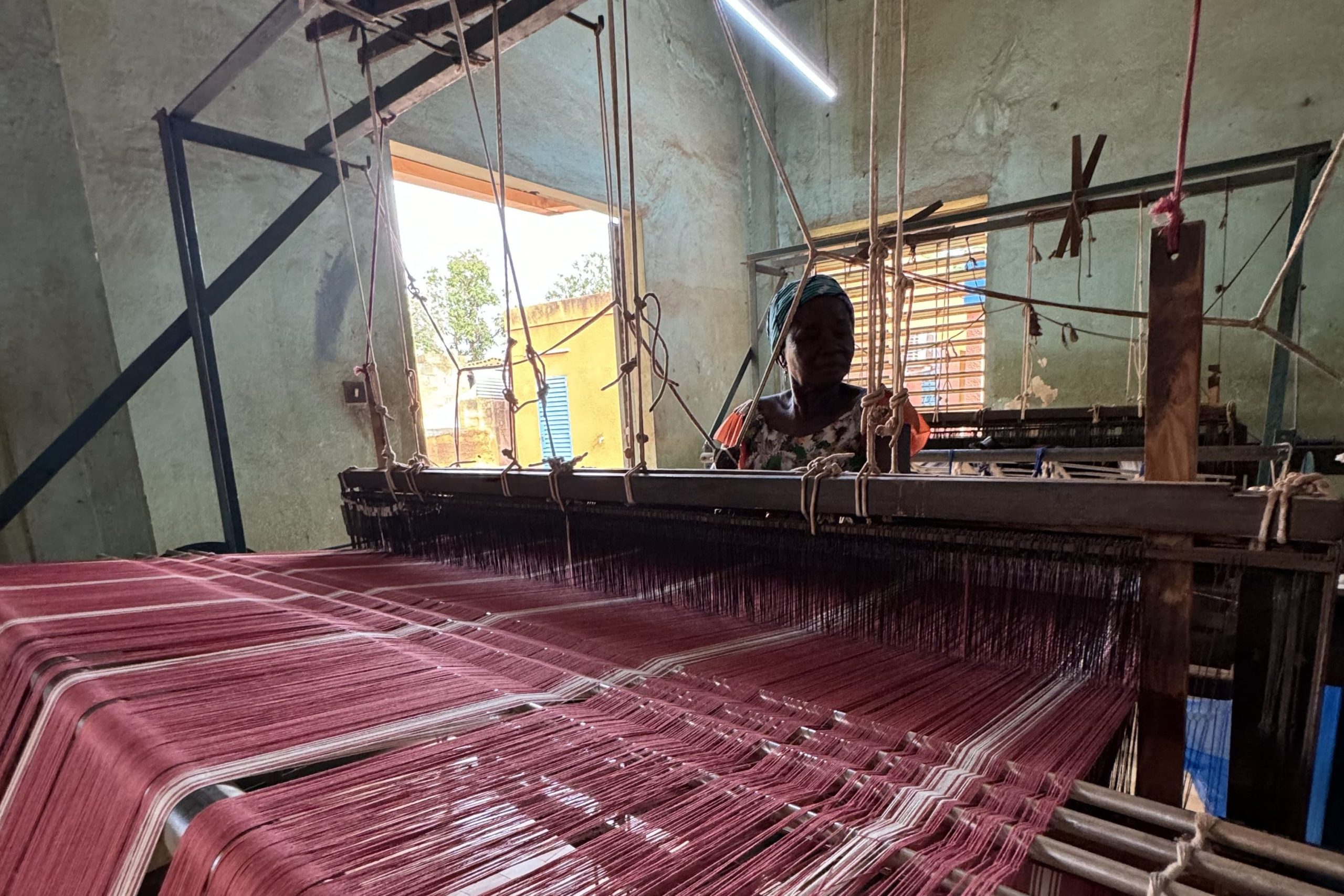
Fabric production begins months before a collection launch, with availability and capital determining the quantity of materials. Cotton is generally more accessible than other raw materials.
To reduce remakes and returns, Adepoju provides artisans with detailed quality checklists and enforces a strict return policy, fostering a culture of intentional shopping among customers.
Bridging the Financial Divide for Artisans
Another significant obstacle is the limited financial inclusion of artisans, many of whom remain unbanked. While Kílẹ̀tár’s finished products are sold globally via Shopify, paying artisans often requires cash transactions. “When I can’t pay someone electronically, I meet them in person to hand over cash. Initially, this was the only payment method, and it still largely is,” Adepoju shares.
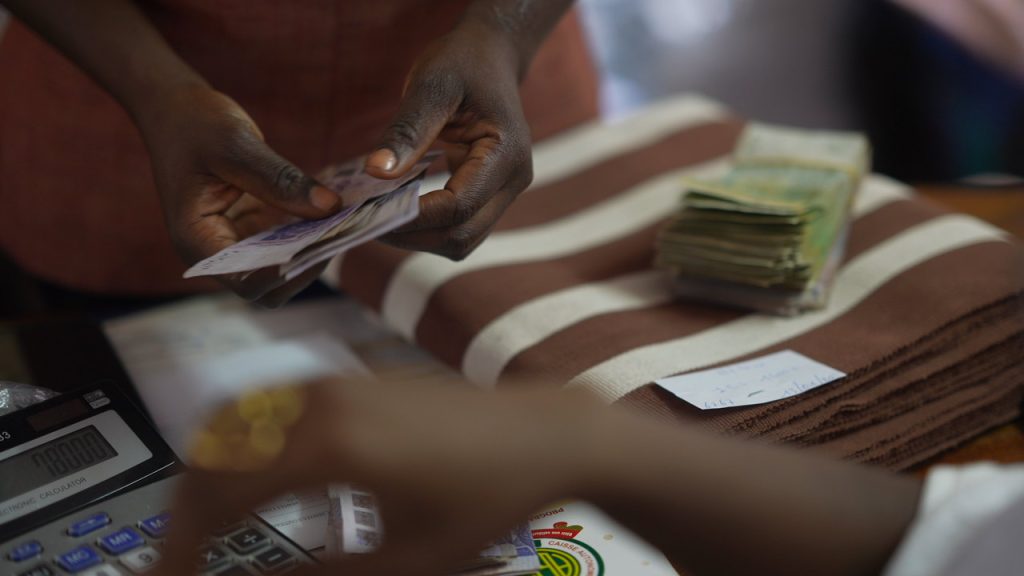
To manage this, she has established a network that facilitates cash payments through intermediaries, such as managers in different countries who disburse funds directly to artisans.
Sharing African Stories with the World
Despite these challenges, Adepoju harnesses the power of storytelling and social media to amplify Kílẹ̀tár’s mission. She regularly shares behind-the-scenes glimpses of the artisans’ work, fabric creation, and photoshoots, connecting customers to the brand’s heritage and values.

During the 2020 pandemic, Adepoju posted daily, sometimes twice a day, to engage her audience. “People want to feel connected, so I shared our story and the journey behind each garment. The response was immediate,” she recalls.
One viral moment came when she announced the restock of the Joyo adire top. Within 24 hours, she received 100 orders-far more than the available inventory. She transparently communicated the delay, and customers were willing to wait, appreciating the brand’s openness. This contrasts with Western luxury brands, which often rely on scarcity and secrecy.
“Sharing the process is my favorite part of this business. I love traveling and showing people how our clothes come to life,” Adepoju says.
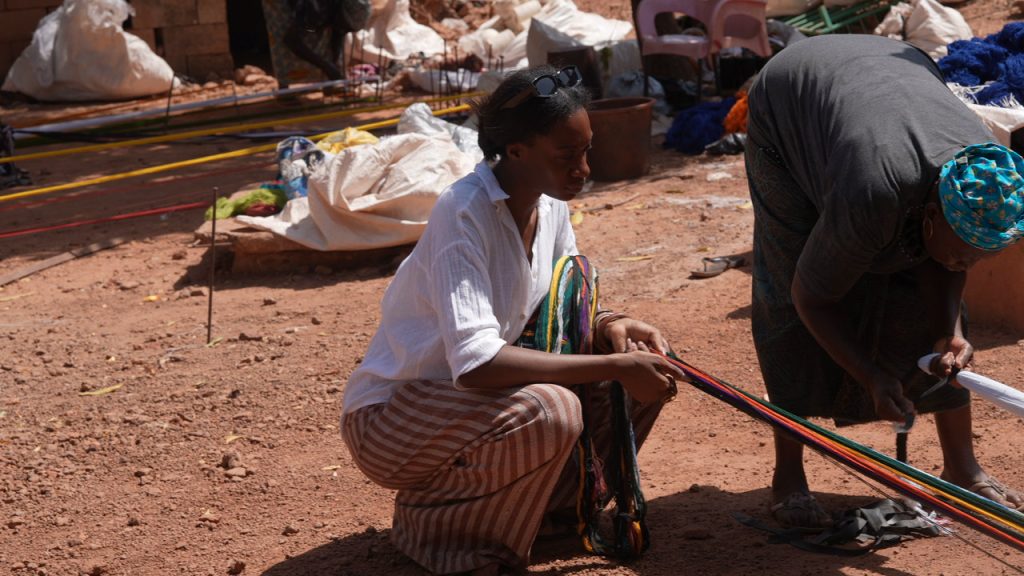
Each garment includes a QR code linking customers to a video that reveals the production process and introduces the artisan behind their piece, deepening the connection between maker and wearer.
Building Pan-African Partnerships for the Future
Since that first transformative visit to Burkina Faso, Adepoju has progressed from relying on translators to learning local dialects, enhancing communication with her artisans. She remains steadfast in her commitment to collaboration within Africa and encourages fellow entrepreneurs to do the same.
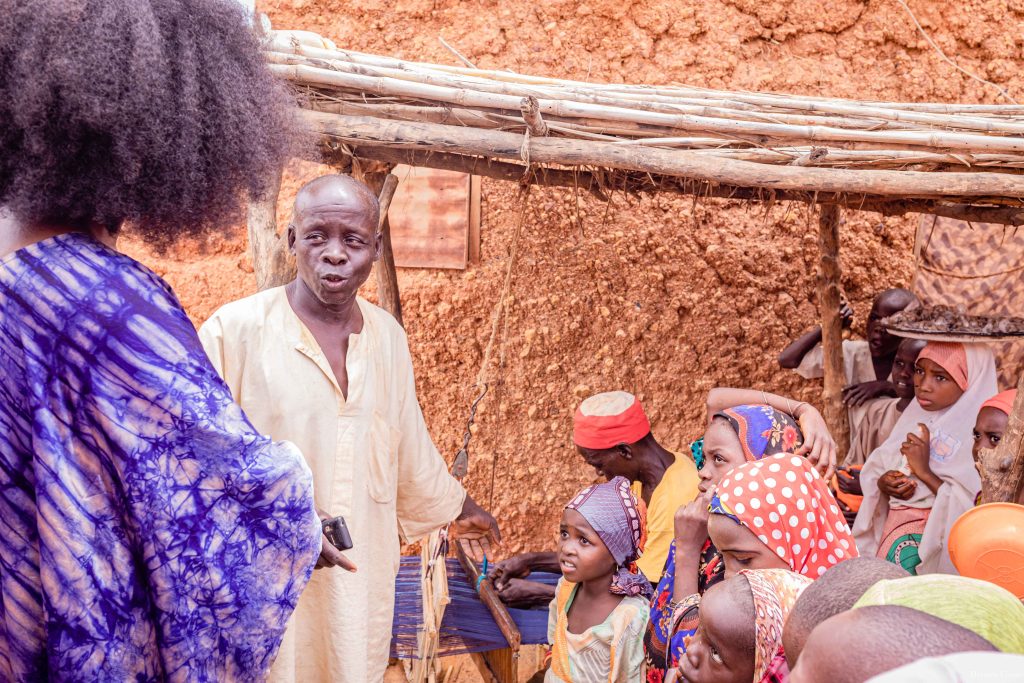
“If you’re building for Africa, build with Africa. Technology alone won’t fix supply chain challenges; relationships and trust are key. Start by understanding the people, design for existing realities, and then innovate,” she advises.
