
Table of Contents
 Rotimi Amaechi speaking at an event” data-main-img=”1″ decoding=”async” fetchpriority=”high”>
Rotimi Amaechi Clarifies US Meeting Allegations During Jonathan’s Presidency
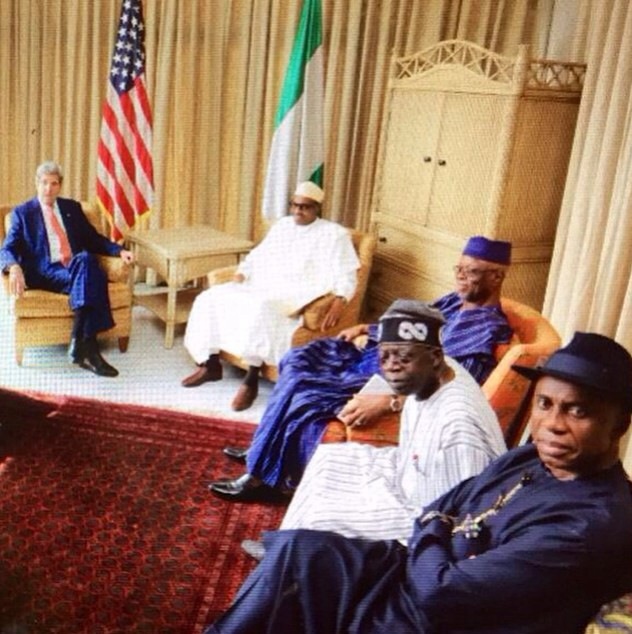
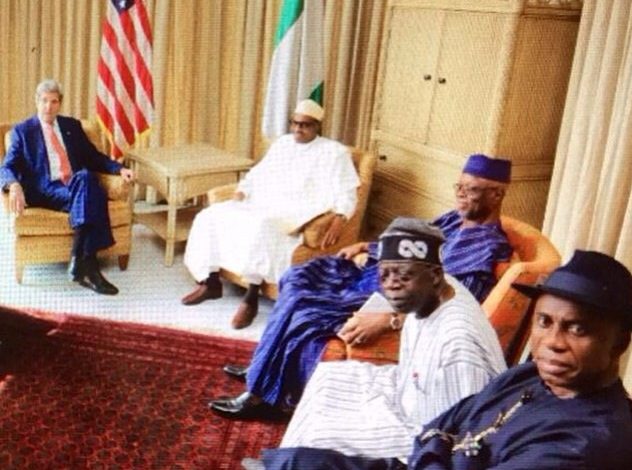
Chief Rotimi Amaechi, former Minister of Transportation and ex-Governor of Rivers State, has publicly addressed the controversy surrounding his purported interactions with American officials during the tenure of President Goodluck Jonathan. Speaking in Abuja, Amaechi emphasized that the discussions were strictly centered on promoting peaceful conduct during the elections, dismissing any insinuations of covert political maneuvering.
Dispelling Claims of Foreign Intervention Over ‘Christian Genocide’
For years, rumors have circulated suggesting that opposition figures solicited American involvement to counter the then-ruling People’s Democratic Party (PDP), under the guise of preventing a so-called “Christian genocide” in Nigeria. Amaechi categorically rejected these assertions, stating that such topics were never broached in any meetings. At the National Conference of Editors, he clarified, “There have been talks about some clandestine meetings in America. No, there was no meeting in America like that. There was absolutely no meeting in America like that. There was just one meeting, and we were invited… The question was from the Americans – look, we don’t want violence in this election.”
He reiterated that the sole focus was on ensuring electoral peace, not on orchestrating foreign interference or plotting against the Jonathan administration.
Reflections on the Evolution of Nigerian Journalism
Amaechi also took the opportunity to critique the current state of journalism in Nigeria. He observed that media professionals exhibited greater boldness and tenacity during the military regimes compared to the democratic era. “I have friends who are editors… what has changed in journalism because they’re no longer fighting?” he questioned, highlighting the press’s pivotal role in dismantling military rule and pondering whether that same vigor persists today.
Ethnic Allegiances Undermining Political and Media Integrity
The former minister expressed concern over the rising trend of ethnic partisanship infiltrating both politics and journalism. “As journalists, nobody wants to write against their brother… Nigerians don’t hate bad government, it’s just that the bad president is from another part of the country,” he remarked. Amaechi warned that such ethnic favoritism, coupled with poverty and selective criticism, is eroding the mechanisms of accountability in Nigeria.
He urged citizens to transcend ethnic loyalties and focus on removing ineffective governments through democratic elections, regardless of the leaders’ origins.
Linking Insecurity to Economic Exclusion
Addressing the persistent security challenges, Amaechi attributed much of the unrest to systemic failures in providing legitimate economic opportunities. “If you don’t provide them with legitimate means of livelihood, they will provide for themselves an illegitimate means of livelihood,” he explained. He emphasized that Nigeria’s unity depends on creating an environment where all citizens can thrive and coexist without discrimination.
Concerns Over Rising Extremism and National Security
In a related discussion at the same forum, renewed alarms were raised about the escalation of extremist rhetoric within the country. Onoh cautioned that the continued defense of violent factions by figures like Sheikh Ahmad Gumi could provoke international scrutiny and intervention. He stated that Gumi’s behavior “fits the global profile of radical sympathisers,” urging the government to thoroughly investigate all networks threatening Nigeria’s security.
Onoh further stressed that President Bola Tinubu must not permit “any individual, however powerful, to sabotage national security or blackmail the state,” warning that such actions deepen ethnic and religious divisions across the nation.
