
Table of Contents
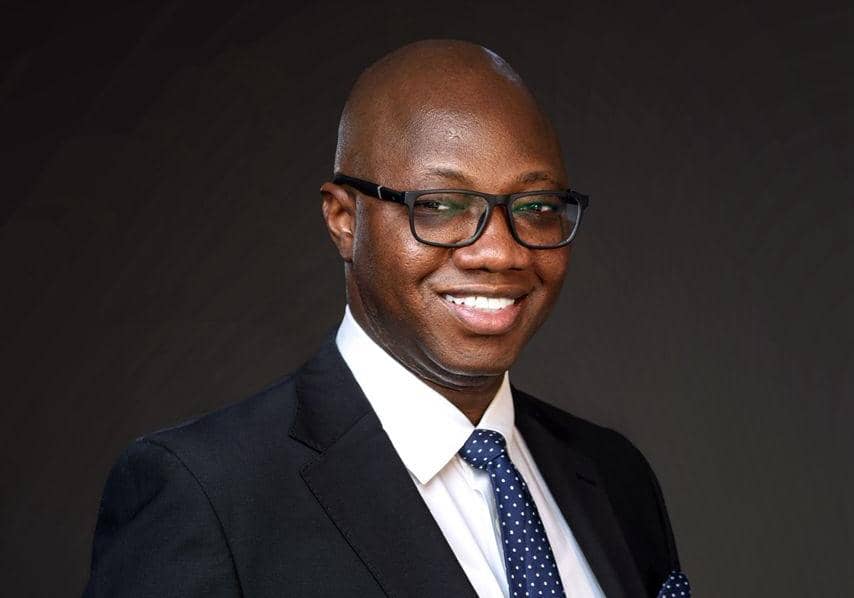
By Amofin Beulah Adeoye
“Once, we were the architects of peace across continents. Today, we grapple to secure peace within our own borders. The real question is not what fractured us, but when we ceased to think as ourselves.”
Nigeria‘s Legacy as Africa’s Peacekeeper
There was an era when Nigeria was not merely a voice advocating for peace but the very force that forged it. From the dense forests of Monrovia to the political hubs of Pretoria, Nigeria stood as both the strength and conscience of Africa. Globally, Nigeria was seen not as a cautionary tale but as a formidable power-disciplined, decisive, and indispensable. That Nigeria, proud and potent, remains; it has only lost sight of its own reflection.
During the turbulent 1990s, when the international community largely turned its back on West Africa’s conflicts, Nigeria stepped forward. The Economic Community of West African States Monitoring Group (ECOMOG) was more than an acronym; it embodied the belief that Africans could resolve African crises. At its peak, Nigeria committed over 15,000 troops and financed nearly 90% of the operations, investing close to $8 billion from its own resources.
Innovative Peacekeeping and Intelligence Mastery
Nigerian forces navigated the swamps of Liberia and the devastated streets of Freetown, pioneering a doctrine of “forceful peacekeeping” that combined strategic intelligence with adaptability. These soldiers were not mere combatants; they were thinkers, leaders, and nation-builders. Their efforts earned global recognition, with then-UN Secretary-General Kofi Annan acknowledging Nigeria’s critical role in saving thousands of lives.
Behind these victories was the often unseen but vital work of the State Security Service (now the Department of State Services, DSS). These guardians transformed intelligence gathering into an art form-listening to subtle cues rather than loud headlines, preventing conflicts before they erupted. Their success was rooted in mindfulness, patience, and precision, qualities that sustained Nigeria through its most vulnerable periods. Nigeria’s survival was no accident; it was a product of acute awareness and strategic foresight.
Nigeria’s Role in the Fight Against Apartheid
Nigeria’s commitment extended beyond peacekeeping; it was a principal architect in the struggle against Apartheid. Declaring itself a Frontline State, Nigeria invested billions, provided passports, and established training camps to support South Africa’s liberation. When Nelson Mandela was released, his inaugural international visit was to Nigeria-a profound acknowledgment of the nation’s unwavering moral and strategic support.
“The same intellect that forged peace abroad can restore peace at home-it simply needs to be rekindled.”
From Continental Guardian to Domestic Challenge
So, what led to Nigeria’s transformation from a continental sentinel to a nation struggling with internal security? The issue is not bravery but coherence; not power but structure. Our soldiers remain courageous, and our intelligence officers remain sharp, yet they operate within a system that has lost its direction and purpose. We have not lost our strength; we have lost our strategic mindset, and with it, our power.
Insecurity has morphed into a thriving, multi-billion Naira industry fueled by fear, often offering more lucrative returns than honest work. For many unemployed youths, crime is a means of survival rather than ideology. The ingenuity displayed by these individuals is undeniable-imagine if such talent were harnessed for constructive purposes. In many regions, a gun yields more income than a résumé. Consequently, we are not only combating bandits but also competing with them for human resources. The force that once dismantled entire armies is now stretched thin, battling countless localized insurgencies born from poverty. Poverty cannot be defeated with bullets; it requires strategic thinking.
Reviving Indigenous Security Strategies
There is no need to import foreign models this week. Nigeria’s own playbook, which once succeeded, remains intact-its levers merely rusted and awaiting reactivation. Our military leaders developed a homegrown theory of stability: intelligence-driven, humane, and tactical. It is time to bring these veterans back to training centers like Jaji and Kuru to impart their knowledge to the next generation.
Given the vastness of Nigeria’s terrain, as I recently experienced touring Oyo State’s Ibarapa and Olorunsogo regions, it is clear that centralized security forces cannot cover every community effectively. Distances between towns can exceed several hours of travel, making rapid response difficult. This reality underscores the urgent need to revive community policing initiatives, engaging local professionals who understand the terrain, language, and culture of the people they protect.
Innovative Approaches to Infrastructure and Security
Could we rethink critical infrastructure development by integrating it with security efforts? Imagine a National Security & Prosperity Initiative where the military doubles as an engineering corps, rebuilding vital infrastructure in areas ravaged by insurgents and bandits. This approach would complement existing procurement contracts by rapidly restoring schools, hospitals, places of worship, and government facilities, reinforcing government presence and community resilience.
Addressing corruption within military and security welfare systems is equally crucial. This is not mere inefficiency but a betrayal of national trust. Soldiers and police officers cannot be expected to defend a flag that neglects their families. Implementing transparent, digital welfare and procurement systems is essential, and successful models exist globally.
Fostering Mutual Respect and Accountability
During a recent governance forum focused on security, I encouraged participants to show kindness to members of the security forces and observe their reactions. Such gestures often elicit gratitude and reciprocity. If we viewed these officers as family-our parents, siblings, or children-we would better understand the challenges they face: lack of motivation, hunger, poverty, inadequate funding, and insufficient training. This empathy should inspire us to demand professionalism and accountability while supporting their welfare.
Blueprints for National Renewal
Scripture offers two models of triumph: Nehemiah, who rebuilt Jerusalem’s walls under siege with both sword and trowel, and Samson, who toppled the pillars of his enemies in a decisive act. Nigeria must embody both roles-rebuilding institutions while dismantling the pillars of corruption that weaken them.
“We are not a weak people; we are a resilient nation that has temporarily lost its strategic focus.”
A Call to Action for Citizens and Leaders
To the Nigerian people: reject despair and celebrate our strengths-the valor of our soldiers in Monrovia, the intelligence officers who averted unseen wars. Demand professionalism, not brutality. To our leaders: renew the bond between the state and its defenders by ensuring they are paid, equipped, and honored. To lawmakers: reform the police system-it is a matter of survival, not politics.
We remain the nation that confronted Apartheid and rebuilt West Africa through intellect, will, and faith. Those same qualities can save us again if we remember how to think like ourselves. It is time to fight-not with fear or anger, but with courage, wisdom, and strategic thought.
Direct Appeal to President Asiwaju Bola Ahmed Tinubu
Nigeria is not weak but disorganized. Our security apparatus consists of powerful yet neglected levers, and only the President has the authority to activate them. President Tinubu understands power and must now wield his executive authority decisively.
The public is tired of superficial solutions-summits, task forces, slogans, and photo opportunities-that mask the need for real reform. The “Nigerian Solution” is not about purchases or declarations; it is about strategy, will, and intelligence. I propose a four-point plan of urgent presidential actions-100-day mandates designed to reclaim national security.
1. The 24-Hour Mandate: Establish a Unified Intelligence Hub
The President should issue an Executive Order creating a National Intelligence Fusion Cell (NIFC) within the Office of the National Security Adviser. This civilian-led unit will integrate raw intelligence from the DSS, military, police, and financial intelligence agencies into a single, actionable daily briefing for the Supreme Theatre Commander. This fusion of intelligence will shift Nigeria from reactive to predictive security operations.
2. The 7-Day Mandate: Appoint a Supreme Theatre Commander
A single, empowered commander-preferably a decorated veteran of ECOMOG or Darfur campaigns-should oversee all military operations in the North-West and North-Central regions. This leader’s mission will extend beyond combat to dismantling the bandit economy by targeting supply chains, informants, and financial networks, guided by intelligence from the NIFC. This consolidation will end inter-service rivalries and enhance operational effectiveness.
3. The 30-Day Mandate: Launch the Peace & Prosperity Corps (PPC)
The President should create a rapid-response development agency modeled after the successful Presidential Task Force. The PPC will follow military clearance operations, rebuilding critical infrastructure within 72 hours to restore government presence and provide communities with tangible economic incentives to reject banditry.
4. The 60-Day Mandate: Digitize and Audit Security Welfare and Procurement
An Executive Order should centralize and digitize troop welfare, insurance, and procurement systems with transparent public audits. This includes a 200% increase in death-in-service insurance payouts to boost morale and a 90-day forensic audit of security procurement to root out corruption. Civil society organizations should lead this review, reporting directly to the President.
These four pillars-Intelligence Fusion, Unified Command, Rapid Reconstruction, and Transparent Welfare-constitute the “Nigerian Solution.” They are actionable, grounded in Nigeria’s proven capabilities, and require only unwavering political will.
About the Author
Amofin Beulah Adeoye is a distinguished legal and financial expert renowned internationally for his expertise in forensic accounting, governance, and philanthropy. A First Class Law graduate from the University of Ibadan, he holds certifications as a Certified Fraud Examiner (CFE) and Associate Chartered Accountant (ACA). Formerly a Financial Advisory Partner at Deloitte & Touche West Africa, Adeoye led forensic services before dedicating himself to political and community development in Nigeria. His work has earned him numerous local and international accolades. Adeoye maintains professional ties with multinational corporations across Europe, Asia, the US, and Africa, spanning sectors such as healthcare, financial services, energy, logistics, and real estate. He actively engages with the Nigerian diaspora, facilitating strategic dialogues worldwide and spearheading philanthropic initiatives through the Beulah Adeoye Foundation.
