
Table of Contents
Islamic Council Challenges U.S. Claims of Christian Genocide in Nigeria
The Nigerian Supreme Council for Islamic Affairs (NSCIA) has publicly contested the United States’ portrayal of Nigeria as a nation undergoing a “Christian genocide.” This narrative, amplified by former President Donald Trump and certain far-right factions, is viewed by the Council as a deliberate strategy to sow discord and instability within Nigeria.
Refuting the ‘Country of Particular Concern’ Label
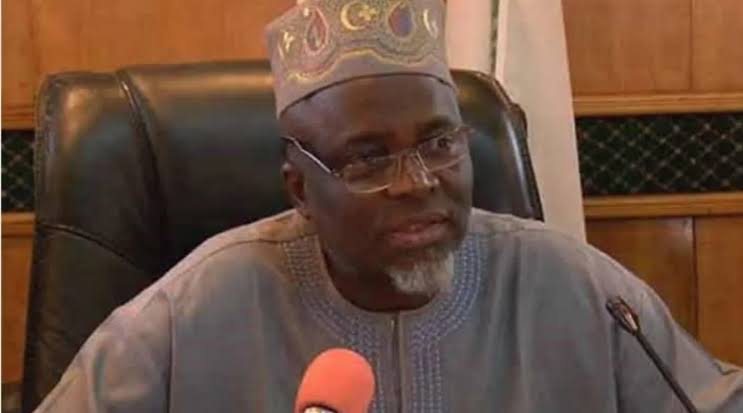
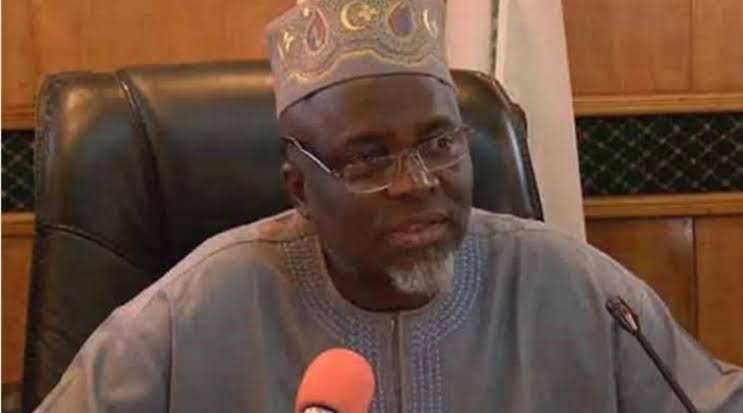
During a press briefing in Abuja, NSCIA’s National Secretary, Professor Ishaq Oloyede, condemned the U.S. designation of Nigeria as a “Country of Particular Concern” regarding religious freedom. He described this classification as “misleading propaganda” intended to undermine Nigeria’s sovereignty and social cohesion.
Oloyede emphasized that there is no substantiated proof of systematic persecution of Christians by Muslims in Nigeria. Instead, he highlighted that the nation’s security challenges stem from multifaceted issues such as terrorism, widespread criminal activities, economic deprivation, and environmental factors like climate change.
Violence Affects All Communities Equally
“The notion of a Christian genocide is unfounded,” Oloyede asserted. “Both Muslim and Christian populations suffer at the hands of violent extremist groups and criminal gangs.” He further clarified that these perpetrators do not represent Islamic teachings, noting that they have also targeted Muslim communities and destroyed mosques.
Supporting this stance, independent investigations by organizations including Amnesty International have concluded that the ongoing violence in Nigeria does not fulfill the criteria for genocide as defined by international law.
Geopolitical Interests and Religious Narratives
Professor Oloyede suggested that the resurgence of international focus on Nigeria’s religious dynamics is linked to the country’s diplomatic position at the United Nations, particularly its endorsement of a two-state solution to the Israeli-Palestinian conflict. He accused pro-Israeli and far-right groups of fabricating the genocide narrative to divert global attention from the humanitarian crisis in Gaza.
“The underlying objective is to destabilize Nigeria by exacerbating religious divisions,” he warned. “Exploiting religious tensions remains one of the quickest ways to fracture our nation.”
Call for National Unity and International Cooperation
The NSCIA urged Nigerians across all faiths to resist external attempts at manipulation and to prioritize national harmony. The Council also appealed to the U.S. government to withdraw its contentious statements and instead collaborate with Nigerian authorities by providing intelligence and logistical support to combat terrorism effectively.
“We reject any foreign agenda that seeks to divide Nigeria. Our commitment is to peace, unity, and justice for all citizens,” Oloyede affirmed.
Recommendations for Strengthening Security
In addition, the Council called on the Nigerian government to intensify security measures nationwide, identify and dismantle the networks financing banditry, and guarantee the safety of all Nigerians irrespective of their religious affiliations.
Context: U.S. Threats and International Reactions
It is noteworthy that former President Donald Trump had previously threatened military intervention in Nigeria over alleged Christian persecution. His administration’s decision to list Nigeria among Countries of Particular Concern sparked widespread condemnation from Nigerian officials and religious leaders, who viewed the move as unjust and inflammatory.
As of 2024, Nigeria continues to grapple with complex security challenges, with recent data from the Global Terrorism Index indicating a slight decline in terrorist incidents compared to previous years. However, the persistence of violence underscores the need for collaborative and nuanced approaches rather than divisive rhetoric.
