
Table of Contents
Table of Contents
Heartbreaking Moment: Nonagenarian Denied Voting Rights in Anambra
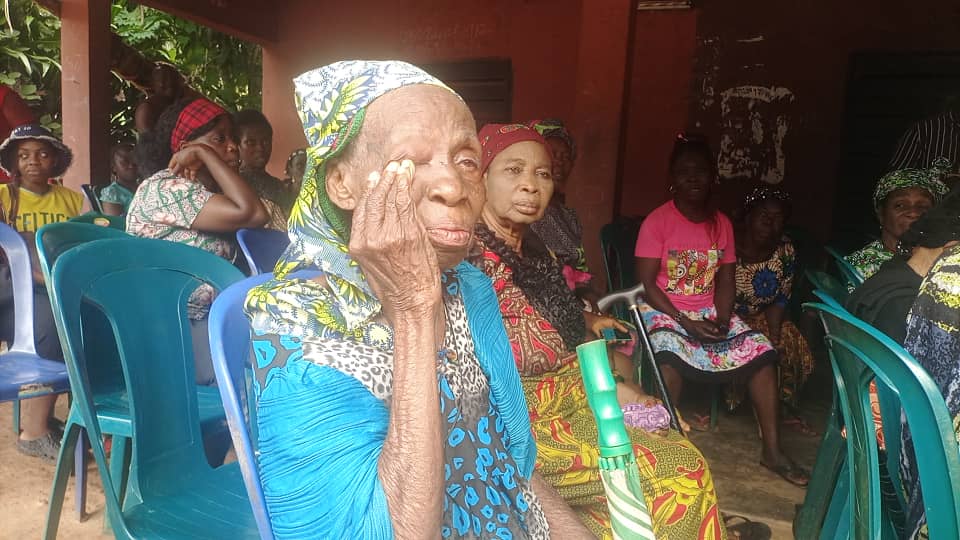
On Saturday, Mrs. Elizabeth Onike, a 96-year-old resident of Anambra State, was visibly distressed after being refused the chance to cast her vote during the governorship election. The incident occurred at Polling Unit 008, Umudimakasi, Agulu Ward 2, within Aniocha Local Government Area.
Denied Due to Lack of Permanent Voter Card
Speaking emotionally to reporters, Mrs. Onike expressed her deep disappointment, explaining that her inability to present a Permanent Voter Card (PVC) was the reason she was barred from participating. “I came here with the hope of voting, but they told me I couldn’t because I don’t have my voter’s card,” she shared with a heavy heart.
Determined Despite Age and Obstacles
Despite her advanced age, Mrs. Onike arrived early at the polling station, eager to fulfill her civic duty. “At 96 years old, I still want to contribute to the future of our community,” she affirmed. Her determination underscored the enthusiasm many elderly Nigerians have for engaging in the democratic process.
Public Sympathy and Calls for Compassion
Witnesses at the polling unit observed the elderly woman’s tears as election officials reiterated the legal requirement that only voters with valid PVCs could participate. This moment sparked empathy among other voters and observers, who urged officials to consider more compassionate approaches for senior citizens, especially those who have consistently participated in past elections.
Broader Implications for Elderly Voters in Nigeria
Mrs. Onike’s experience sheds light on the broader challenges faced by senior citizens in Nigeria’s electoral system. While the PVC remains a crucial tool for voter identification and election integrity, it can inadvertently disenfranchise older voters who may have difficulty obtaining or retaining their cards. According to the Independent National Electoral Commission (INEC), over 5 million Nigerian voters are aged 60 and above, highlighting the importance of inclusive policies that accommodate this demographic.
As Nigeria continues to strengthen its democratic institutions, balancing security measures with accessibility remains a pressing issue. Some advocacy groups have called for alternative verification methods or special provisions to ensure that elderly voters are not excluded from the electoral process.
