
Table of Contents
Table of Contents
- Define Your Borrowing Goal Clearly
- Assess Your Financial Health Before Taking a Loan
- Analyze Expected Returns and Perform Detailed Calculations
- Simulate Stress Scenarios to Test Your Plan’s Resilience
- Opt for Fixed Interest Rates and Optimize Loan Tenure
- Smart Borrowing Advice for Professionals and Business Owners
- Protect Your Financial Wellbeing
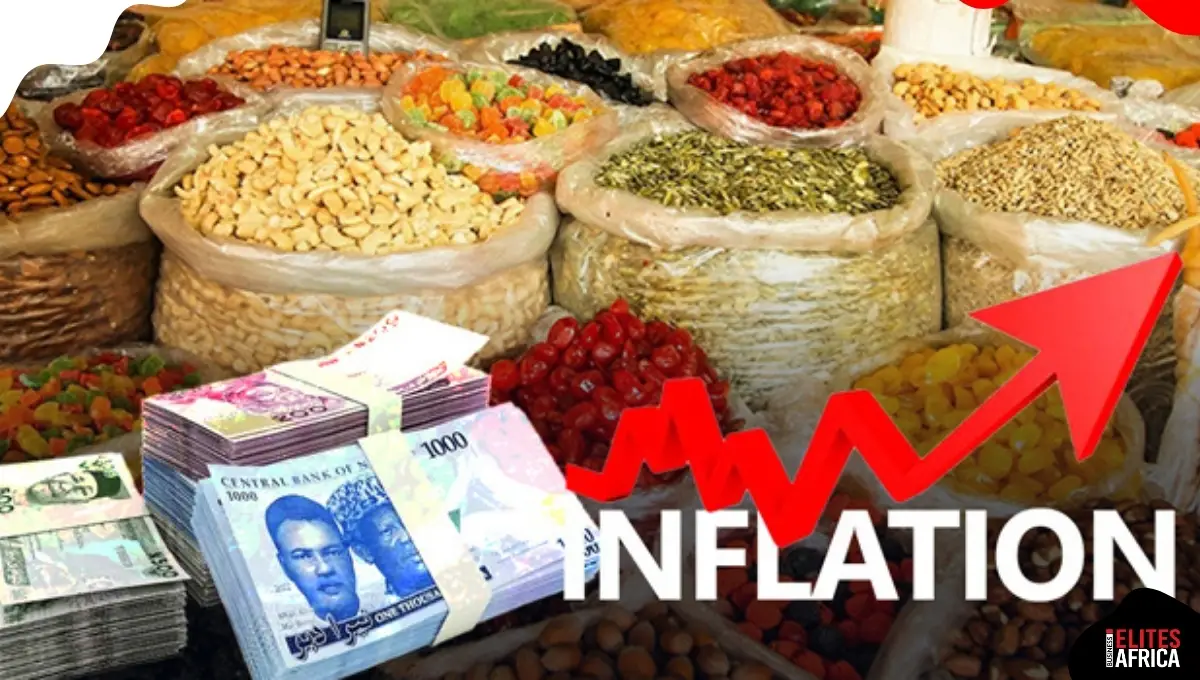
Currently, Nigeria’s headline inflation rate has eased to 18.02%, a significant drop from the peak levels exceeding 30% experienced earlier this year. This decline offers some relief to households and small enterprises that have been grappling with soaring prices.
While reduced inflation can gradually alleviate cost pressures and potentially improve borrowing conditions, it remains crucial to approach loans with caution. Borrowing should only be pursued when the returns from the financed asset surpass the total cost of the loan.
Every borrowing decision must be anchored in clear objectives, steady cash flow, and financial discipline rather than impulsive enthusiasm.
Define Your Borrowing Goal Clearly
Loans should ideally fund assets that either boost your income or lower ongoing expenses. For example, investing in a refrigerated truck to expand delivery capacity, purchasing machinery that enhances production efficiency, or acquiring technology that reduces operational downtime are all sound uses of borrowed funds. Conversely, financing non-essential items such as the latest gadgets, fashion accessories, or luxury goods often undermines financial stability, especially during inflationary periods.
Assess Your Financial Health Before Taking a Loan
It’s advisable to keep your monthly debt obligations within 30-35% of your net income. This ensures you retain enough funds for essential living expenses like housing, food, transportation, and education. If your current debt load approaches this threshold, consider lowering the loan amount, increasing your initial payment, or postponing borrowing until your financial position strengthens. The objective is not just to meet repayments but to maintain a comfortable lifestyle.
Analyze Expected Returns and Perform Detailed Calculations
Before committing to any loan, quantify the additional monthly profit or cost savings the asset will generate and compare this to your repayment obligations. For instance, if a ₦3 million loan for inventory results in an extra ₦250,000 monthly net profit while repayments are ₦180,000, this indicates a healthy margin. Always factor in ancillary expenses such as maintenance, fuel, and unforeseen costs. If minor setbacks erode your profit margin, the loan may pose significant risks.
Simulate Stress Scenarios to Test Your Plan’s Resilience
Consider scenarios where your operating costs increase by 10% and sales decline by the same margin. If you can still comfortably service your debt under these conditions, your borrowing plan is robust. If not, it’s prudent to delay the loan or reduce its size. Inflationary environments demand conservative cash flow models that can withstand economic shocks.
Opt for Fixed Interest Rates and Optimize Loan Tenure
In volatile economic climates, fixed-rate loans offer protection against unexpected interest rate hikes. Aim to keep the repayment period as short as feasible since longer tenors increase total interest paid. Always request a comprehensive repayment schedule and calculate the true Annual Percentage Rate (APR), including all fees such as processing charges, legal fees, valuation costs, VAT, insurance, and tracker fees. Two loans with similar base rates can differ substantially once these additional costs are included.
Smart Borrowing Advice for Professionals and Business Owners
Salaried individuals might benefit from consolidating multiple high-interest debts into a single, more manageable loan to reduce costs and simplify repayments. When financing a vehicle for work purposes, prioritize fuel efficiency and maintain a reserve fund covering at least one month’s repayments. Traders should align loan durations with their inventory turnover cycles-for example, if stock is replenished every 45 days, avoid loans extending beyond that period. Service providers investing in equipment should base income projections on conservative estimates rather than optimistic forecasts.
Protect Your Financial Wellbeing
Maintain an emergency fund sufficient to cover at least one month of loan repayments. Insure income-generating assets to mitigate losses from theft or damage. Regular maintenance of vehicles and equipment is essential to avoid costly breakdowns. Use loan funds exclusively for their intended purpose to preserve financial discipline. Whenever possible, negotiate supplier discounts and secure customer contracts that help stabilize cash flow throughout the loan repayment period.
