
Table of Contents
Table of Contents
Laura CressTechnology Reporter
Getty Images
Exploring “Vibe Coding”: The Future of Programming Without Traditional Code
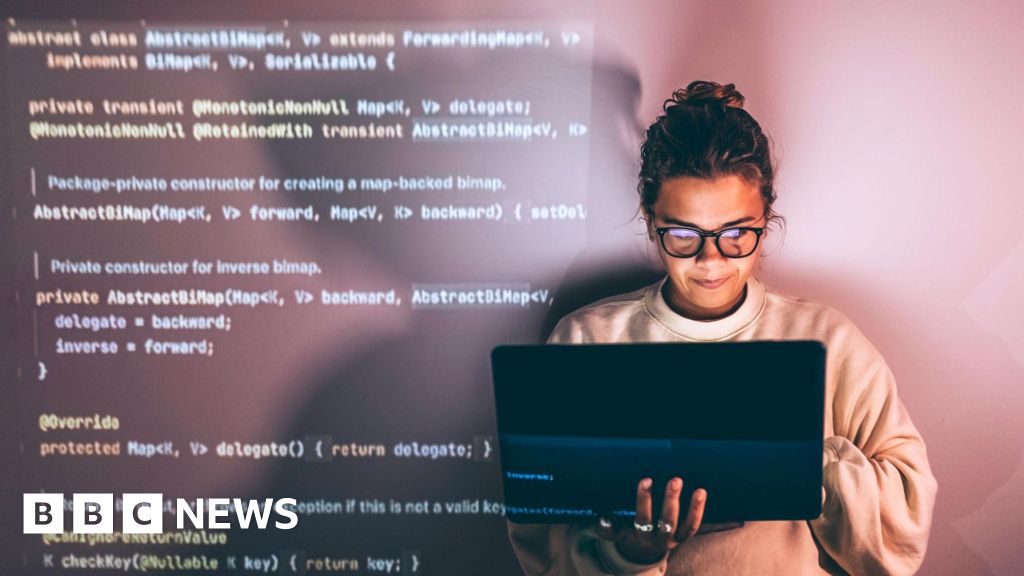
Have you ever dreamed of building your own software but felt daunted by the complexities of coding? The emerging trend known as “vibe coding” offers a fresh approach, enabling users to develop applications or websites simply by describing their ideas to artificial intelligence (AI), bypassing the need to write code manually.
Recognized as Collins Dictionary’s Word of the Year for 2025, “vibe coding” encapsulates the innovative way AI is transforming software creation. The phrase was introduced earlier this year by OpenAI co-founder Andrej Karpathy, who described it as a process where developers can “tune into the creative flow” and let AI handle the technical details, effectively allowing them to “forget the code exists” while crafting digital solutions.
How Vibe Coding Democratizes Software Development
By inputting straightforward prompts like “create an app to organize my weekly meal plans,” users can leverage AI-powered tools to generate functional programs without prior coding experience. While advanced projects still demand technical expertise, this method has significantly lowered the barrier to entry, empowering a broader audience to participate in digital innovation.
However, it’s important to note that AI-generated code isn’t flawless. Users often encounter bugs or functionality issues, underscoring the need for ongoing refinement and human oversight. Alex Beecroft, Managing Director at Collins, highlights that the term “vibe coding” perfectly illustrates the evolving relationship between language and technology in today’s world.
Other Trending Words Reflecting 2025’s Cultural and Technological Landscape
While some of these terms originated before 2025, their surge in popularity this year reflects shifting societal interests and technological advancements.
Robotic Frustrations Spark “Clanker” Resurgence
The word “clanker,” originally coined in the mid-2000s within the Star Wars universe to describe robotic characters, gained renewed attention after going viral on TikTok in July 2025. Users expressed their exasperation with AI-driven devices, sparking widespread discussion around automation challenges.
“Aura Farming”: The Rise of Performative Coolness
First appearing in early 2024, “aura farming” describes the act of engaging in activities primarily to appear impressive, often while being recorded. This behavior has become increasingly prevalent throughout 2025, especially on social media platforms where curated personas dominate.
Understanding “Broligarchy” and Its Political Implications
The portmanteau “broligarchy” emerged in 2024 to critique the disproportionate political influence wielded by the leaders of major tech corporations. The term gained traction in 2025, notably after several tech CEOs attended the inauguration of former US President Donald Trump, highlighting concerns about corporate power intersecting with governance.
Additional Noteworthy Words from Collins’ 2025 Shortlist
- Biohacking: The practice of modifying one’s biological functions to enhance health and extend lifespan, often through technology or lifestyle changes.
- Coolcation: A vacation spent in a location known for its cooler climate, appealing to those seeking relief from heat or a refreshing environment.
- Glaze: To excessively or undeservedly compliment someone, often to gain favor or manipulate.
- Henry: An acronym for “High Earner, Not Rich Yet,” describing individuals with substantial income but limited accumulated wealth.
- Micro-retirement: Short-term breaks taken between jobs to pursue personal passions or rest, rather than waiting until traditional retirement age.
- Taskmasking: The act of creating the illusion of productivity at work without accomplishing meaningful tasks.
