
Table of Contents
Table of Contents
Advancing Nigeria’s Fight Against HIV: A New Era in Prevention
Nigeria is intensifying its commitment to eliminate AIDS as a public health crisis by 2030. Historically, HIV prevention strategies have relied heavily on daily oral pre-exposure prophylaxis (PrEP). However, the recent introduction of long-acting injectable PrEP is set to revolutionize prevention efforts by expanding accessibility, offering diverse options, and addressing existing gaps-thereby aligning with both national and global HIV reduction targets.
Comprehensive Assessment to Inform National Strategy
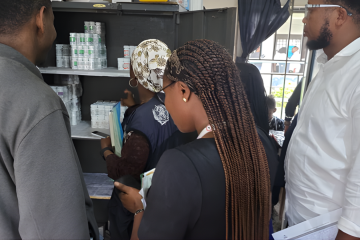
With the technical guidance of the World Health Organization (WHO) and financial backing from the Global Fund, the National AIDS, Viral Hepatitis and STIs Control Programme (NASCP), in partnership with the National Agency for the Control of AIDS (NACA), key HIV stakeholders, and representatives from communities affected by HIV, conducted an extensive evaluation of PrEP readiness. This assessment spanned over 70 public health facilities across 10 Nigerian states, examining current service delivery models, infrastructure readiness for multiple PrEP modalities, and generating data-driven insights to shape future national policies.
Dr. Bashorun, NASCP Coordinator, emphasized, “This evaluation provides critical guidance on integrating injectable PrEP into existing healthcare frameworks. Our goal is to ensure HIV prevention tools are inclusive and effectively meet the needs of diverse populations while advancing our national objectives.”
Broadening Prevention Options: From Pills to Injections
Since its introduction in 2016, daily oral PrEP uptake in Nigeria has been inconsistent due to challenges such as pill fatigue, stigma, limited awareness, and irregular supply. The advent of long-acting injectable PrEP, administered every two to six months, offers a promising alternative for individuals seeking less frequent dosing schedules and may help overcome adherence barriers associated with daily pills.
For instance, Chinedu, a 45-year-old from Enugu, shared, “Managing daily medication is tough with my busy schedule. If injectable PrEP were accessible and affordable, it would be a game-changer for me.” Similarly, Amina, a 30-year-old healthcare worker in Kano, noted, “Given my exposure risk, having an injectable option would provide me with greater protection and peace of mind.”
WHO recommends offering a spectrum of PrEP choices tailored to individual risk profiles and preferences as part of a holistic HIV prevention approach. Research consistently shows that long-acting injectable PrEP significantly reduces HIV transmission risk, especially for those who find daily adherence challenging.
Building Robust Systems for Effective Implementation
The multi-state assessment, supported by WHO, evaluated critical components such as service availability, client screening processes, supply chain management, healthcare worker training, and data collection systems. The insights gained will guide:
- Identification of obstacles and facilitators to equitable PrEP distribution.
- Strategic, phased rollout of injectable PrEP within public health facilities.
- Seamless integration of PrEP services into broader healthcare platforms.
Currently, Nigeria’s PrEP programs prioritize individuals at heightened risk of HIV infection, including:
- Serodiscordant couples, where one partner is HIV-positive and the other is negative.
- Persons recently diagnosed with sexually transmitted infections or those with multiple sexual partners.
- Pregnant and breastfeeding women in serodiscordant relationships or at elevated risk, to prevent vertical transmission.
- Key populations such as sex workers and men who have sex with men.
Embedding PrEP into routine healthcare services-such as antenatal care, family planning, and community outreach-remains a cornerstone of Nigeria’s prevention strategy, ensuring clients can access prevention tools within familiar and trusted settings.
Dr. Bashorun reiterated, “Our focus is on delivering client-centered HIV prevention services that are accessible to all who need them. Injectable PrEP represents a vital addition to our prevention toolkit, helping to close existing gaps.”
Ongoing WHO Collaboration and Future Directions
WHO continues to play a pivotal role in supporting Nigeria’s HIV response through capacity building, policy formulation, and facilitating the integration of PrEP into sexual and reproductive health services. The organization also aids in developing national guidelines and monitoring frameworks to ensure the safe, effective, and equitable deployment of new PrEP modalities.
Dr. Oluwafunke Odunlade, WHO HIV, Viral Hepatitis, and STI Technical Officer in Nigeria, highlighted, “Sustaining HIV prevention efforts requires embedding PrEP within existing health services, including sexual and reproductive health clinics and community outreach programs. This integration not only strengthens health systems but also ensures prevention reaches individuals where they already seek care.
