
Table of Contents
Table of Contents
Namibia Unveils Comprehensive Health Policies to Enhance Women’s, Children’s, and Adolescents’ Well-being
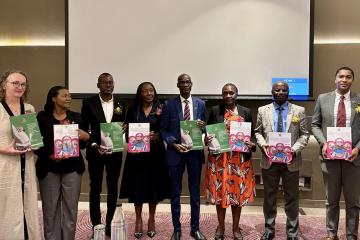
On 9 October 2025, Namibia’s Ministry of Health and Social Services (MoHSS), in collaboration with the World Health Organization (WHO) and key partners, officially introduced two pivotal health policy frameworks in Windhoek. These include the National Strategy for Reproductive, Maternal, Newborn, Adolescent Health and Nutrition (RMNCAH&N) for 2025/2026-2029/2030, alongside the Triennial Confidential Enquiry Report on Maternal Deaths, Stillbirths, and Neonatal Deaths spanning 1 April 2021 to 31 March 2024.
Strategic Vision for Accelerated Health Progress
The RMNCAH&N Strategy serves as a critical blueprint designed to fast-track Namibia’s advancement toward the Sustainable Development Goals (SDGs), harmonizing with the WHO’s Global Strategy for Women, Children, and Adolescent Health (2016-2030). This launch signals a revitalized national dedication to eradicating preventable deaths among mothers and children, while enhancing equitable access to high-quality healthcare services throughout the country. Despite notable strides in healthcare availability, persistent challenges remain-particularly in reducing maternal and neonatal mortality rates, improving adolescent health outcomes, and addressing nutritional deficiencies. The strategy emphasizes evidence-based interventions, multisectoral collaboration, and community engagement to foster integrated care delivery and empower local populations.
Insights from the Confidential Enquiry Report
Compiled by the National Maternal, Stillbirth, Neonatal Death Review Committee (NMSNDRC), the Confidential Enquiry report meticulously examines the underlying causes of 150 maternal deaths recorded during the review period. Leading contributors included hypertensive disorders during pregnancy (16.7%), severe hemorrhage (16%), and complications related to abortion (12%). The committee’s findings highlight preventable factors and propose actionable recommendations aimed at refining clinical protocols and shaping national health policies to save lives.
Leadership Commitment and Call to Action
Dr. Esperance Luvindao, Namibia’s Minister of Health and Social Services, conveyed a strong commitment to delivering equitable, quality healthcare for women, children, newborns, and adolescents under the new RMNCAH&N framework. Emphasizing the importance of data-driven decision-making, capacity enhancement for healthcare professionals, and innovative solutions, she urged all stakeholders to actively participate in amplifying marginalized voices. “The success of this strategy hinges not only on institutional efforts but on the dedication of every individual present today,” Dr. Luvindao stated. “Together, we will forge a future marked by health, dignity, and opportunity, ensuring no woman, child, or adolescent is overlooked.”
Progress and Ambitious Targets for 2030
Namibia has witnessed considerable improvements in maternal health over the last two decades. According to the Maternal Mortality Estimates Interagency Group’s April 2025 report, the Maternal Mortality Ratio (MMR) has declined from 400 deaths per 100,000 live births in 2000 to 139 in recent years. Although this progress is commendable, it remains above the global SDG target of fewer than 70 deaths per 100,000 live births by 2030. The RMNCAH&N Strategy sets forth bold objectives to reduce maternal mortality to 60 per 100,000 live births and neonatal mortality from 24 to 10 per 1,000 live births by 2030. Additionally, under-five mortality currently stands at 41 per 1,000 live births, with neonatal death rates decreasing at a slower pace. The strategy aims to accelerate these reductions, targeting 10 neonatal deaths per 1,000 live births within the next five years.
Global Support and Future Directions
Representing WHO, Dr. Juliet Nabyonga, Health System Advisor, praised Namibia’s dedication to fortifying its healthcare infrastructure and underscored the significance of the newly launched RMNCAH&N Strategy. “These landmark documents embody a renewed national commitment to ensuring that every woman, newborn, and adolescent not only survives but thrives,” she remarked. Dr. Nabyonga stressed the importance of institutionalizing Primary Health Care, integrating services across sectors, and empowering communities to take active roles in health promotion. WHO pledges continued support through evidence-based guidance, workforce training, and accountability mechanisms, affirming, “Together, we can build a future grounded in health, dignity, and opportunity.”
Advancing Maternal and Child Health in Alignment with Global Goals
The launch of these strategic documents highlights Namibia’s prioritization of maternal, newborn, and adolescent health within the framework of the SDGs. By focusing on reducing preventable deaths and enhancing healthcare equity, Namibia is contributing to global efforts aimed at achieving health justice and improved outcomes for vulnerable populations worldwide.
